-
E-mail
18660167086@163.com
-
Phone
18660167086
-
Address
South section of No. 3 Road, East Industrial New City, Pingyin County, Jinan City, Shandong Province, south of Dongcheng Street
Shandong Qinglei Environmental Technology Co., Ltd
Esterification reactor
Date: 2025-12-25Read: 73
1、 Core function: Break through thermodynamic equilibrium and achieve efficient esterification
The esterification reactor is a special pressure vessel designed specifically for esterification reactions. Its core function is to drive the reversible esterification reaction (RCOOH+R'OH ⇌ RCOOR '+H ₂ O) to continuously move towards the product end through integrated reaction equilibrium breakthrough system, corrosion-resistant material engineering, and precise heat and mass transfer control, thereby breaking the thermodynamic equilibrium limit of the final conversion rate. For example, in polyester production, the esterification reaction kettle can increase the esterification rate to over 92% through precise temperature control (250-300 ℃) and pressure regulation (≤ 100bar), while efficiently removing by-product water and pushing the chemical equilibrium to the right.
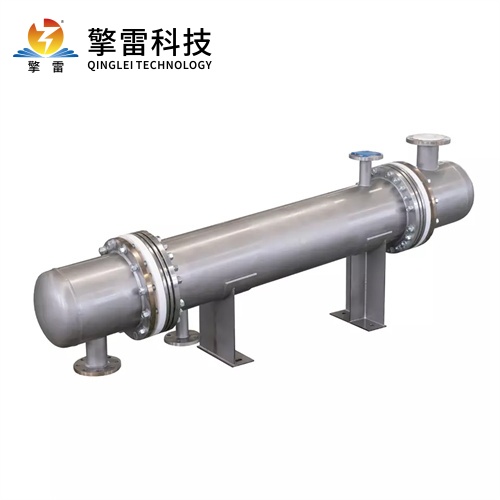
2、 Technical features: Integration of precision construction and intelligent control
Modular structural design
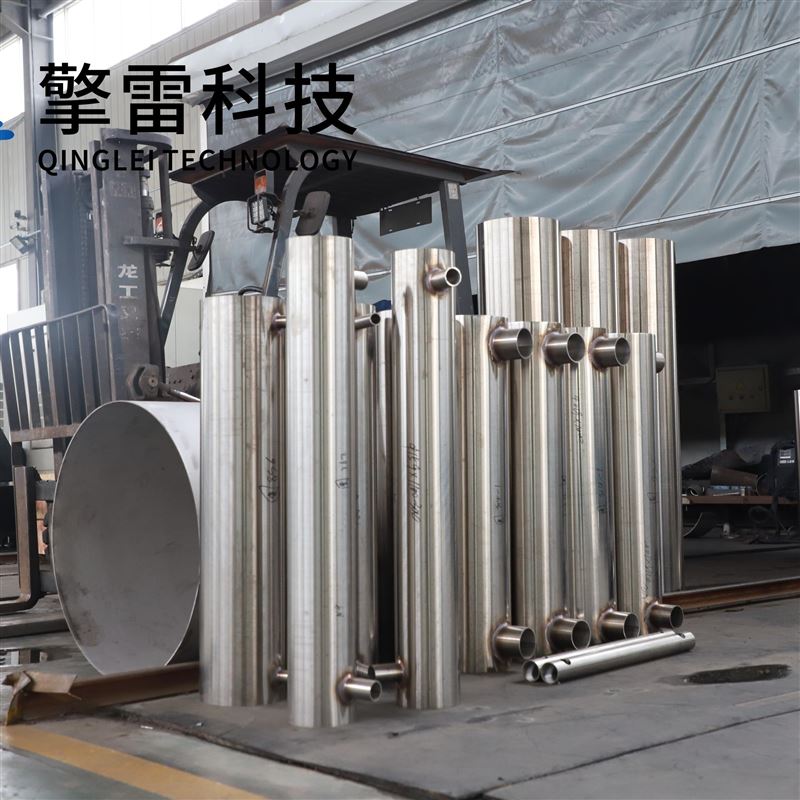
Kettle system: Made of 316L stainless steel or special alloys (such as Hastelloy and titanium), resistant to high temperature and high pressure (design pressure of 150 bar, burst pressure of 125 bar), jacket/coil design supports steam, thermal oil or electric heating, with a heat conversion efficiency of over 95%.
Stirring system: Combination multi-stage blade (such as anchor+turbine) matches the rheological changes of slurry → melt, with blade end linear velocity>5m/s, ensuring uniform solid suspension, gas-liquid separation, and heat transfer. For example, in PET production, the stirring power is dynamically adjusted with the reaction process, first increasing and then decreasing to adapt to changes in viscosity.
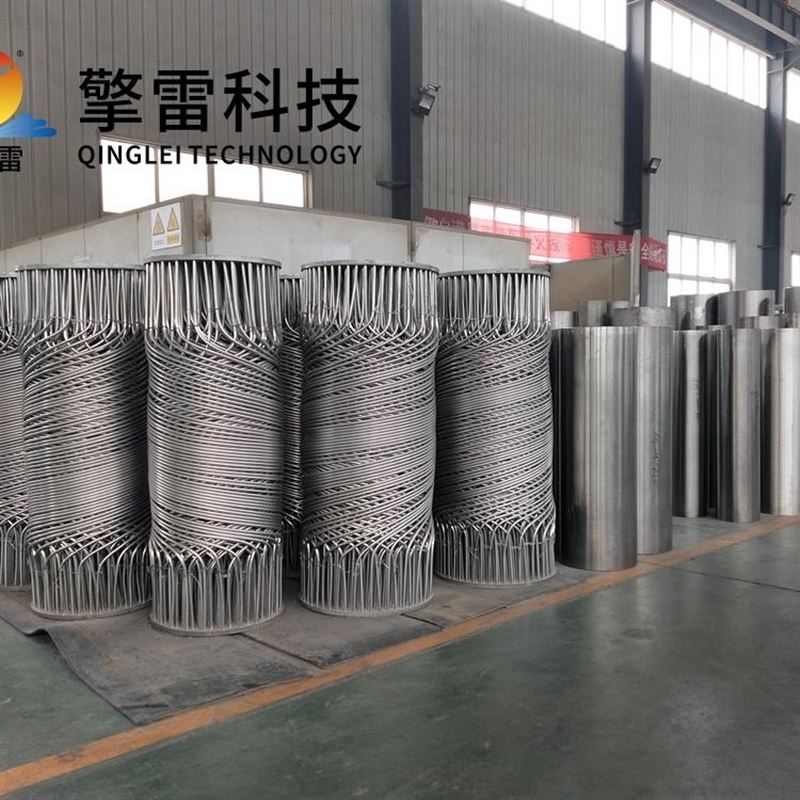
Separation accessories: Integrated design of distillation column, packed tower and condenser to achieve efficient separation of by-products such as water and alcohol. For example, by increasing pressure to enhance condensation heat transfer, separation efficiency can be improved.
Intelligent control system
Parameter monitoring: High precision sensors collect real-time temperature (± 1 ℃), pressure, and liquid level data, and interlock protection devices ensure safe operation.
Process optimization: Intelligent algorithms based on big data dynamically adjust stirring speed, heating power, and feed rate, such as reducing reaction time by 30% through model predictive control (MPC).
Thermal energy management: Heat recovery mechanisms (such as thermal columns and insulation sleeves) recover waste gas and heat, reducing energy consumption by more than 20% and meeting green manufacturing standards.
3、 Industry application: Multi domain penetration, empowering industrial upgrading
chemical engineering field
Polyester synthesis: In PET production, the esterification reactor converts PTA and EG into BHET oligomers, and the quality of the output material directly affects the molecular weight distribution and product properties (such as tensile strength and transparency) of the subsequent condensation process.
Unsaturated resin: High weather resistance resin is produced through esterification condensation process, which is used in scenarios such as ships and wind turbine blades.
Pharmaceutical field
Drug synthesis: In antibiotic production, precise temperature control (± 0.5 ℃) of esterification reaction kettle and material mixing technology suppress side reactions, improve the purity of the target product to 99.9%, and comply with GMP standards.
Intermediate preparation: Achieve uniform mixing of high viscosity materials and optimize reaction pathways through customized stirring blades (such as magnetic coupling drive).
Food and Daily Chemicals
Oil refining: Adjusting the composition of fatty acids through esterification reactions to improve the melting point and crispness of oils, such as esterification treatment of baking specific oils to make pastries more crispy in taste.
Spice synthesis: Precisely control reaction conditions (such as temperature gradient, reflux ratio) to synthesize ester compounds with specific aroma characteristics, enriching food flavors.
4、 Selection and Maintenance: Key Parameters and Operating Standards
Key selection points
Material matching: Choose Hastelloy for strong acid environments, titanium for high temperature scenarios, and 316L stainless steel for general scenarios.
Capacity and power: Choose according to the production scale (such as a 500L kettle with a 1000W electric heating rod), and reserve 20% safety space.
Sealing method: Double end mechanical seal is suitable for high-pressure working conditions, and magnetic coupling seal achieves zero leakage.
Maintain standards
Daily inspection: Regularly calibrate sensors, tighten connecting bolts, and replace lubricating oil (such as changing gearbox gear oil every 500 hours).
Cleaning and maintenance: A fully automatic cleaning system (such as high-pressure water jet+chemical cleaning agent) is used to remove dirt from the kettle and prevent a decrease in heat exchange efficiency.
Fault handling: If abnormal stirring current or seal leakage is found, immediately stop the machine for maintenance to avoid the accident from escalating.
5、 Future Trends: Intelligent and Green Driven Innovation
Intelligent upgrade
Digital twin technology: Build a virtual reactor model to simulate the reaction process under different process conditions and shorten the research and development cycle.
AI process optimization: Machine learning algorithms analyze historical data, automatically adjust parameter combinations, and improve product yield by more than 5%.
Green Manufacturing
Energy saving technology: using heat pumps to recover reaction heat and reduce energy consumption; The waste heat power generation system achieves energy self-sufficiency.
Environmentally friendly materials: bio based catalysts replace traditional sulfuric acid to reduce wastewater discharge; Degradable seals reduce environmental load.
modular design
Quick change: Standardized interface supports quick replacement of kettle body, agitator and other modules, adapting to the production needs of multiple varieties.
Integrated system: deeply coupled with upstream and downstream processes (such as distillation towers and condensers) to achieve continuous production and improve overall efficiency.
Conclusion
As a core equipment in the fields of chemical, pharmaceutical, and food, the technological evolution of esterification reactors is profoundly affecting the industrial ecology. From modular structure to intelligent control, from green manufacturing to modular design, every breakthrough is driving the dual improvement of production efficiency and product quality. In the future, with the deep integration of materials science and digital technology, esterification reactors will further unleash their potential and provide a more efficient and sustainable "Chinese solution" for industrial production.
Last Article: After sales worry free tilting enamel reaction kettle
Next Article: Laundry detergent reaction kettle