-
E-mail
18660167086@163.com
-
Phone
18660167086
-
Address
South section of No. 3 Road, East Industrial New City, Pingyin County, Jinan City, Shandong Province, south of Dongcheng Street
Shandong Qinglei Environmental Technology Co., Ltd
Laundry detergent reaction kettle
Date: 2025-12-25Read: 59
Core function: Chemical reaction center in laundry detergent production
The laundry detergent reaction kettle is a core equipment in the production process, and its functions can be summarized into three core links:
Raw material mixing and emulsification
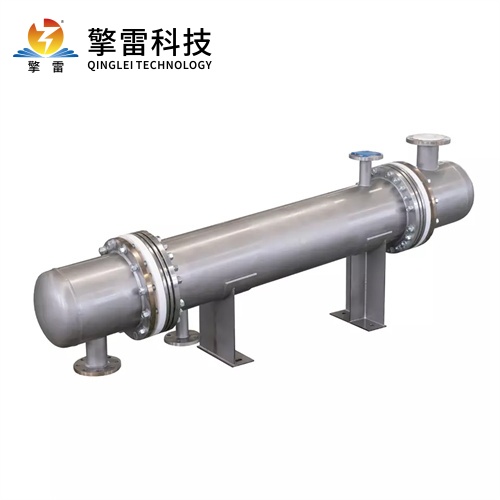
The surfactant (such as sodium dodecyl benzene sulfonate), auxiliary agents (such as sodium carbonate and sodium chloride), essence and other raw materials are evenly mixed to form a stable lotion through a high-speed stirring device (such as a turbine type and paddle type stirring paddle). For example, when preparing concentrated laundry detergent, the reaction kettle needs to ensure sufficient emulsification of high concentration surfactants with water to avoid delamination.
Temperature and reaction condition control
Using a jacket design to circulate hot media (such as steam, thermal oil) or cold media (such as coolant), achieving precise temperature control (-120 ℃ to 300 ℃). For example, heating to 60 ℃ can accelerate the dissolution of AES (fatty alcohol polyoxyethylene ether sodium sulfate), while stirring at low temperature (such as below 40 ℃) can prevent essence from volatilizing.
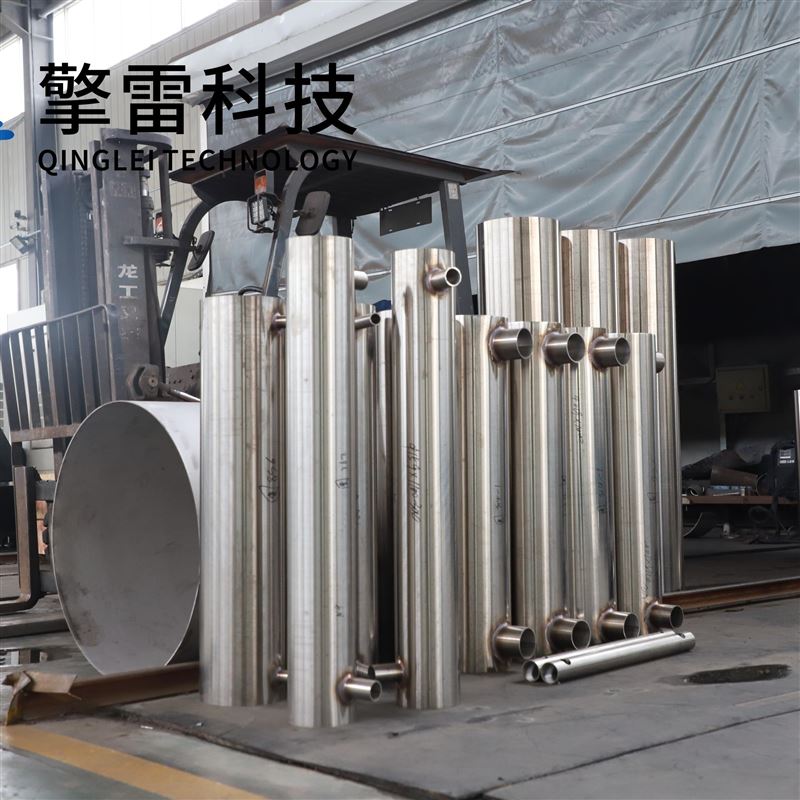
Multiphase reaction support
Some formulas require multiphase reactions of gas-liquid (such as nitrogen protection), liquid-liquid (such as oil-water mixture), or gas-liquid solid (such as adding enzyme preparations) in a reaction vessel to ensure ingredient activity and stability.
2、 Technical features: Integration of efficiency, safety, and intelligence
Structural and material optimization
Double layer jacket design: The inner layer contains the reaction solvent, and the outer layer achieves the circulation of cold and hot media through a circulation pump, improving heat exchange efficiency.
Corrosion resistant material: The inner tank body is made of SUS304 or SUS316L stainless steel, and the jacket is made of Q235-B or SUS304, suitable for acidic and alkaline environments.
Discharge port: The bottom of the kettle is designed with an R-corner structure to avoid material residue and ensure batch consistency.
Sealing and transmission system
Sealing method: Choose packing seal (atmospheric pressure), mechanical seal (medium pressure) or magnetic seal (high pressure) according to pressure requirements to prevent leakage.
Drive mode: Magnetic coupling drive achieves fully enclosed and leak free operation, while mechanical transmission drive is suitable for high-pressure conditions (14 kg).
intelligent control
PID temperature control module: Maintain the temperature fluctuation of the reaction system within ≤± 1 ℃, for example, strict temperature control is required when adding enzyme preparations to maintain activity.
Variable frequency speed regulation technology: The stirring speed can be adjusted within the range of 0-1450 revolutions per minute to adapt to materials of different viscosities (such as low viscosity aqueous solutions or high viscosity thickeners).
Remote monitoring system: Real time monitoring of parameters such as pressure, temperature, and mixing speed to ensure production safety.
3、 Industry application: Full scene coverage from laboratory to large-scale production
Laboratory research and development stage
Micro experimental kettle: with a capacity of less than 10L, supporting small batch formula testing, such as verifying the compatibility of new environmentally friendly surfactants.
Glass reaction kettle: Made of GG17 high borosilicate glass material, corrosion-resistant and visible, making it easy to observe the reaction process (such as emulsification effect).
Pilot scale up stage
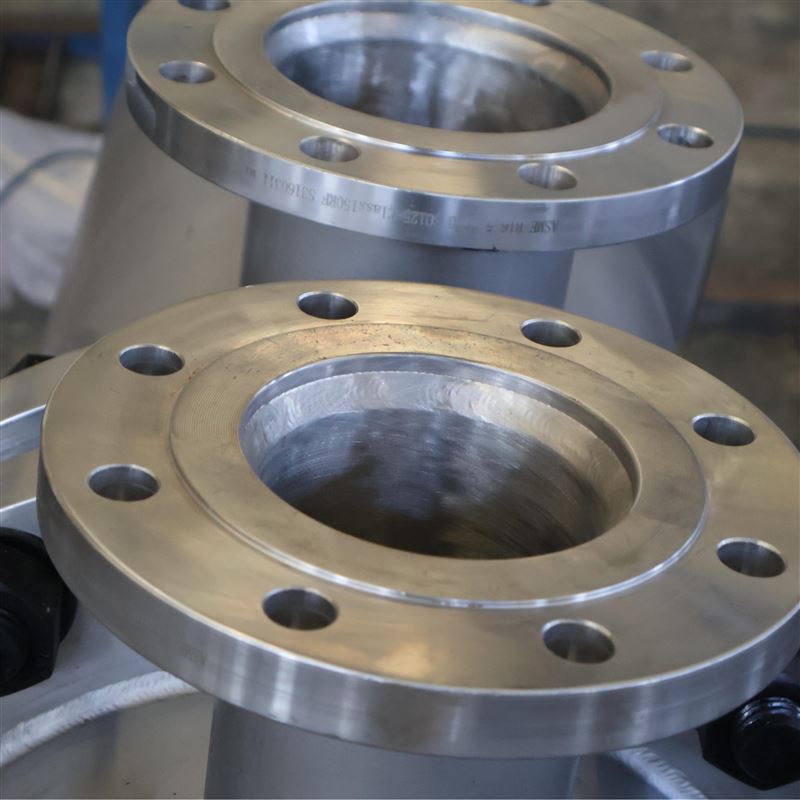
50-500L reactor: Verify the feasibility of the process through scaling up, such as adjusting the type of stirring blade (from paddle to turbine) to optimize mixing efficiency.
Explosion proof equipment: Compliant with Exd Ⅱ BT4 certification, suitable for formula development containing flammable solvents such as ethanol.
Large scale production stage
1000-5000L Reactor: Supports continuous production, for example, a production line that produces 10 tons of laundry detergent per day requires multiple reactors to run in parallel.
Automated production line integration: linked with quantitative filling machines, capping machines, and labeling and coding machines to achieve full process automation from reaction to filling.
4、 Selection and Maintenance: Key Parameters and Operating Standards
Key selection points
Volume matching: Select based on production scale (such as 50L for laboratory use and 1000L for industrial production).
Material selection: SUS316L stainless steel or glass kettle body is preferred for strong acid/strong alkali formula.
Sealing and pressure rating: Mechanical or magnetic seals should be selected for high-pressure reactions, and high vacuum sealing components should be configured for vacuum operations.
Maintain standards
Daily cleaning: Clean the kettle body after each use to prevent residue from corroding the inner wall (such as enzyme residue, which needs to be rinsed with a weak alkaline solution).
Regular maintenance: Check the wear of the mixing shaft and the aging of the sealing components, and replace the mechanical seal lubricating oil every six months.
Safe operation: Overtemperature and overpressure operation are strictly prohibited. Before heating the reaction kettle, it is necessary to ensure that the medium inside the jacket is sufficient to avoid dry burning.
5、 Future trend: Green and intelligent driving industrial upgrading
Green Manufacturing Technology
Low temperature reaction process: By optimizing the stirring and temperature control system, the reaction temperature is reduced (such as from 80 ℃ to 50 ℃), reducing energy consumption.
Solvent recovery system: Integrated condensation reflux device to recover volatile organic compounds (such as ethanol) and reduce emissions.
Intelligent upgrade
AI process optimization: Using machine learning to analyze historical data, automatically adjust parameters such as mixing speed and temperature curve to improve product consistency.
Digital twin technology: Building a virtual reactor model to simulate the reaction effects under different formulations and process conditions, shortening the research and development cycle.
Conclusion
The technical characteristics of the laundry detergent reaction kettle, as the "heart" of the production line, directly determine the product quality and production efficiency. The evolution path of reaction vessels, from laboratory research and development to large-scale production, from traditional control to intelligent upgrading, is deeply in line with industry demands. In the future, with the advancement of green chemistry and Industry 4.0, reaction vessels will develop towards greater efficiency, environmental friendliness, and intelligence, providing core support for the sustainable development of the laundry detergent industry.
Last Article: Esterification reactor
Next Article: After sales guarantee for methanol spiral tube condenser