The vacuum mixer used in the laboratory is a collection devicestirandvacuum environmentThe core function of this integrated device is to achieve material mixing, dispersion, and homogenization under bubble free and low oxidation conditions. It is widely used in sample preparation in the fields of polymer materials, biomedicine, electronic materials, adhesives, and more.
The specific functions are mainly divided into the following categories:
Remove bubbles and improve material densityThis is the core function of a vacuum mixer. During the mixing process, the equipment will extract air from the mixing chamber, reduce the ambient pressure, and effectively eliminate the air bubbles caused by mixing and the tiny bubbles contained in the material itself.
For example, when preparing epoxy resin adhesive, silica gel, photoresist and biological gel, defoaming can avoid pores and pinholes in the finished product, and ensure the mechanical, optical and bonding properties of the material.
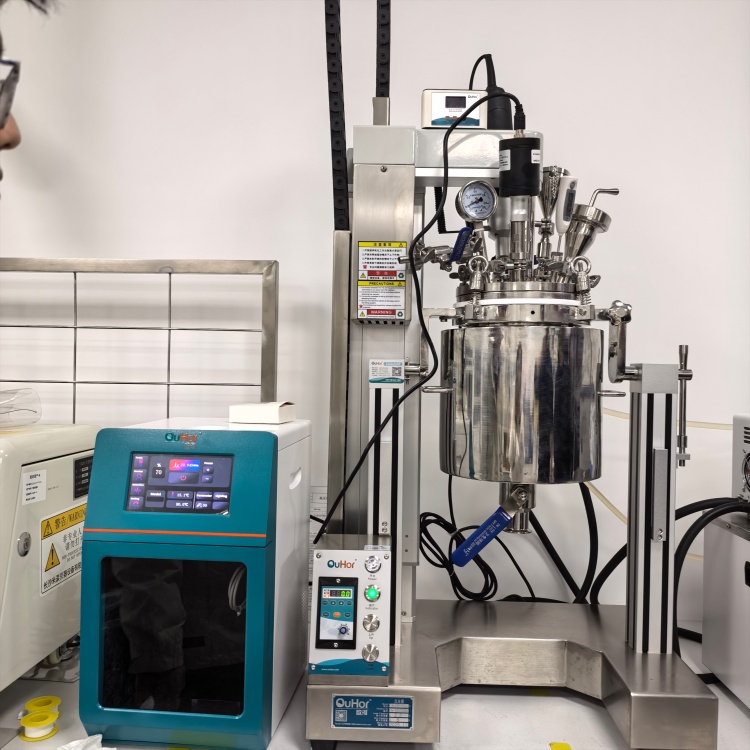
Efficient mixing and homogenization to ensure system uniformityThe stirring blades equipped on the equipment (such as planetary stirring blades, propellers, etc.) can achieve strong stirring and dispersion, and can fully mix materials of different phases and densities (solid powders, liquids, pastes) evenly.
Vacuum environment can also reduce the frictional resistance between materials and air, making stirring smoother, especially suitable for mixing high viscosity materials (such as paste slurry, polymer melt), and ultimately obtaining samples with uniform composition and stable performance.
Reduce material oxidation and protect sensitive componentsThe vacuum environment isolates air (especially oxygen), which can effectively prevent easily oxidizable materials from deteriorating during the stirring process.
For example, when preparing biopharmaceutical preparations containing active ingredients (such as protein solutions, cell culture media complexes), antioxidant samples, and metal powder slurries, it can protect the activity and stability of the materials and avoid oxidative degradation.
Auxiliary material reaction or modificationPartial vacuum mixers can be equipped with temperature control modules, which can provide suitable conditions for chemical reactions that require anaerobic and anhydrous environments under vacuum and temperature control conditions. At the same time, the reaction process can be accelerated by stirring to make the reaction more complete.
For example, in polymer polymerization, sol-gel preparation and other experiments, improve the reaction efficiency and product purity.
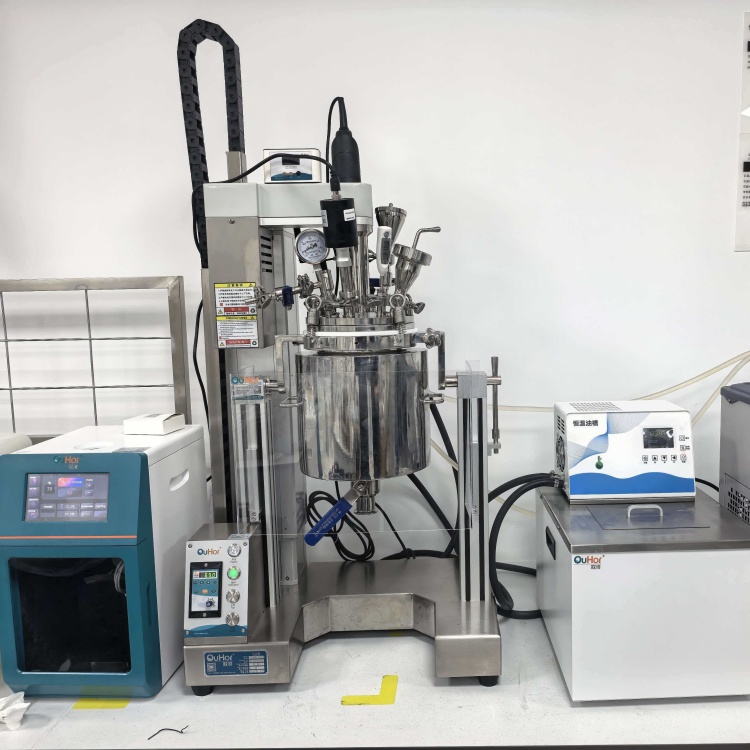
Improve the rheological properties of materialsFor paste and colloid materials, the vacuum stirring process can break the agglomeration structure of the material, adjust the viscosity and flowability of the material, and meet the requirements of subsequent experiments or molding. For example, in the preparation of battery electrode slurry and ceramic slurry, optimizing the coating performance of the slurry.