-
E-mail
773042332@qq.com
-
Phone
13816887304
-
Address
2nd Floor, Building 1, Lane 333, Wensong Road, Songjiang District, Shanghai
Shanghai Ouhe Machinery Equipment Co., Ltd
Precautions for choosing a vacuum heating reactor
Date: 2025-12-08Read: 5
When choosing a laboratory vacuum heating reactor, multiple parameters need to be considered. The characteristics of the reaction medium determine the material selection, and special alloys are required for highly corrosive systems; The temperature range requirement affects the design of heating power; The work pressure is related to the thickness of the kettle wall and the sealing level. Market data shows that intelligent reaction vessels with computer control modules are priced 30-50% higher than basic models, but can significantly improve experimental repeatability and data reliability.
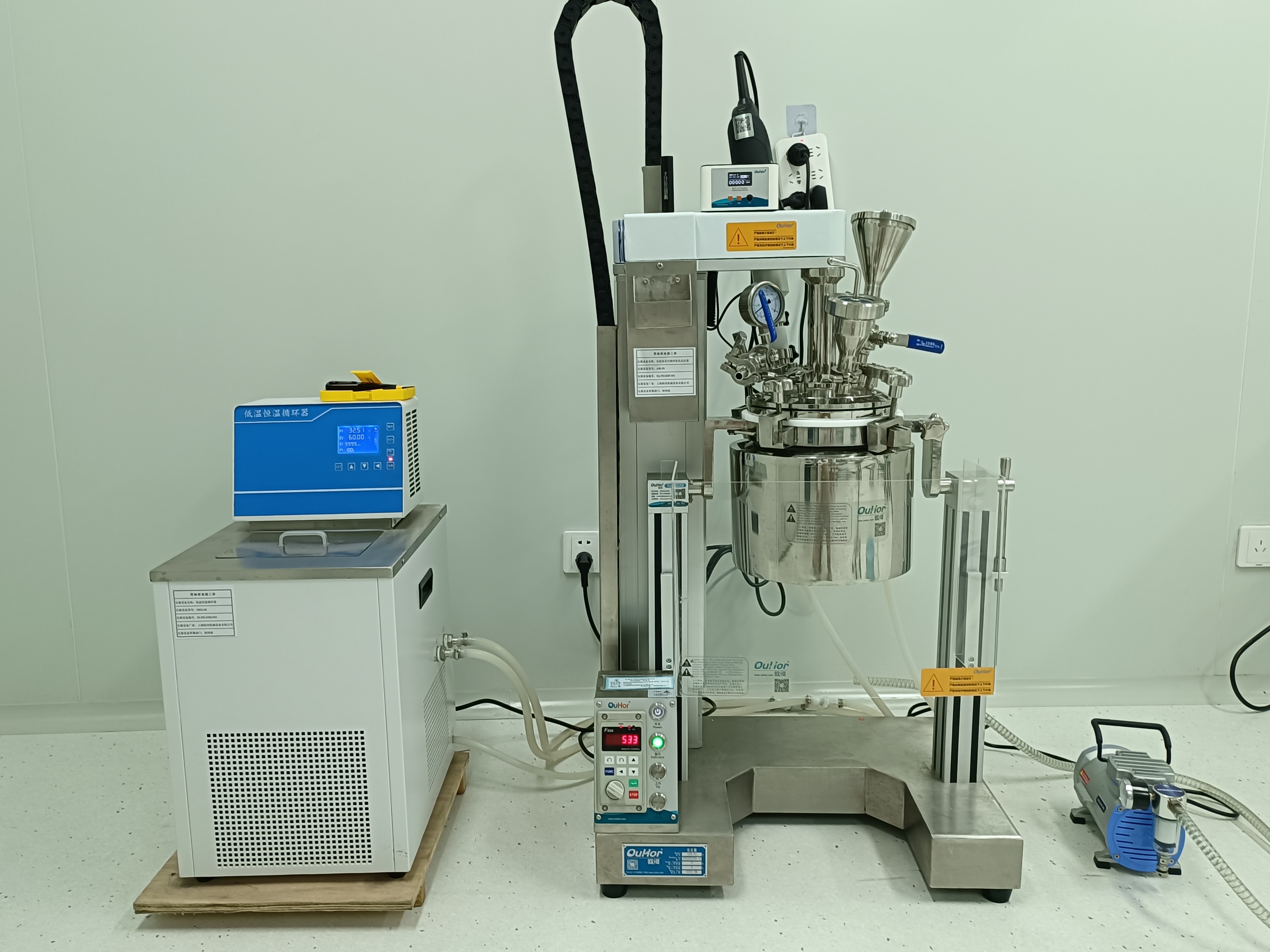
In terms of maintenance, the kettle body should be cleaned promptly after each use, especially the mixing shaft seal area. PTFE seals need to be replaced regularly, and the metal sealing surface should be kept smooth. Professional technicians suggest conducting a comprehensive maintenance every six months, including checking the resistance value of heating elements, calibrating temperature sensors, etc. A study by a testing institution in Shanghai suggests that standardized maintenance can reduce equipment failure rates by over 60%.
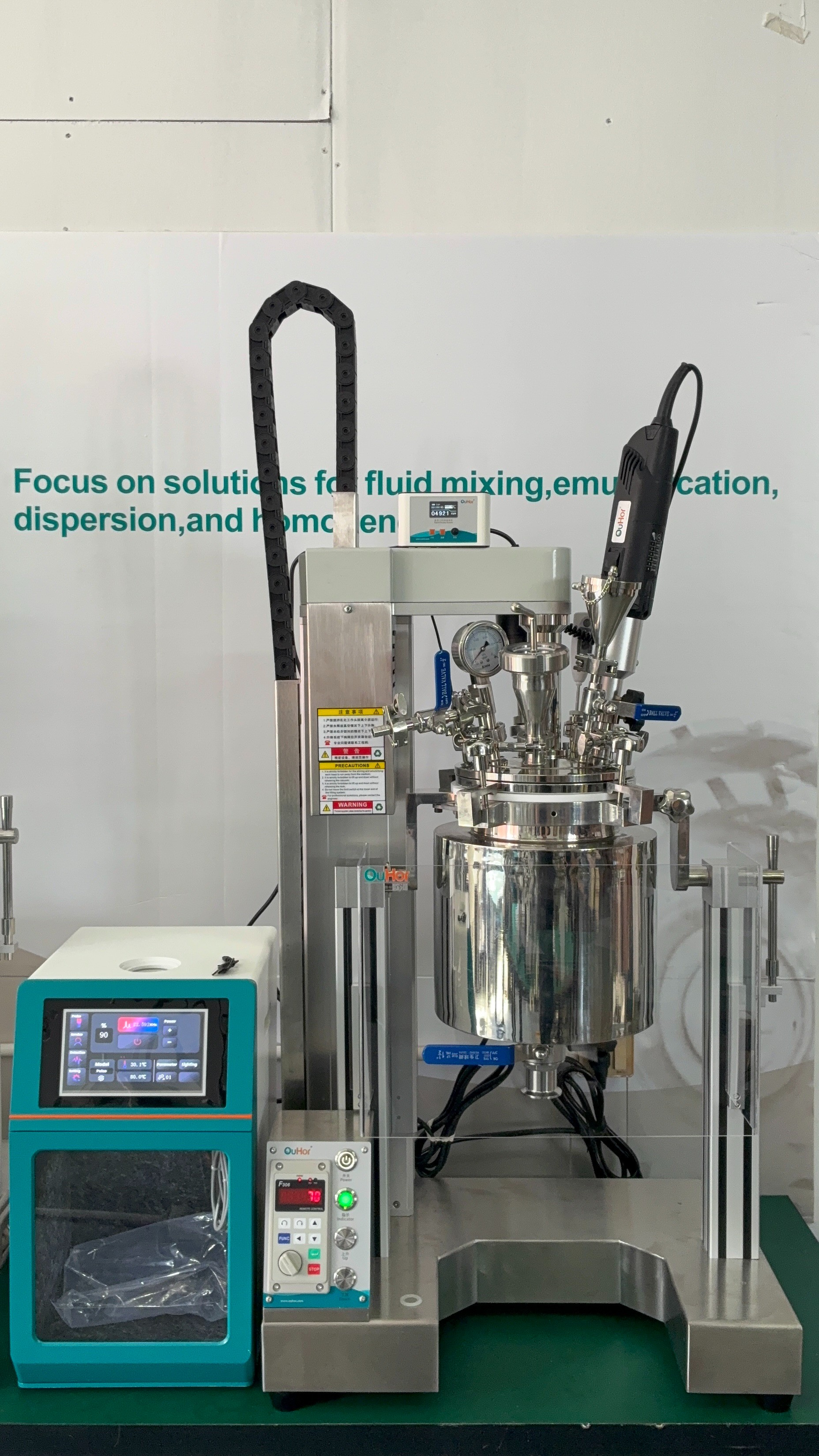
In special application fields, vacuum heating reactors exhibit unique advantages. In the preparation of nanomaterials, the vacuum environment can effectively control the particle size distribution; Accurate temperature gradient can regulate the molecular weight distribution during polymer synthesis; The pharmaceutical industry utilizes it to achieve reactions under sterile conditions. The improved synthesis process of a certain anti-cancer drug intermediate showed that the yield of the product increased from 72% to 89% after using a vacuum reactor.