-
E-mail
yang.chen4@thermofisher.com
-
Phone
13386161207
-
Address
xinjinqiao
Thermo Fisher Scientific (China) Co., Ltd
Ultra deep phosphorylation proteomics for selective evaluation of protein kinase inhibitors
Date: 2025-08-26Read: 2
Protein phosphorylation is a common post-translational modification in eukaryotic cells, playing an important role in cellular signal transduction, cellular processes, and protein function regulation. Protein phosphorylation is the transfer of adenosine triphosphate (ATP) terminal phosphate groups to serine, threonine, and tyrosine residues of substrate proteins through protein kinases. Gene mutations or abnormal expression of protein kinases can cause kinase overactivation, leading to cancer and other diseases. Therefore, protein kinases have become one of the most important targets for anti-tumor drugs. Currently, over 80 kinase inhibitors (PKIs) have been approved for market worldwide, and approximately 180 PKIs are undergoing clinical trials. However, the development of PKI drugs still faces many challenges, especially target selectivity and off target toxicity. At present, the selective evaluation of PKI mainly relies on hundreds of cloned and purified protein kinases, or transgenic cell lines with high expression of target kinases. Purified kinases cannot truly reflect the selectivity of PKI within cells due to their detachment from the cellular environment; The testing of genetically modified cells is limited to pre-set target kinases. In response to this problem, the Kang Jingwu Research Group of the National Key Laboratory of Small Molecule Regulation in Life Process, Shanghai Institute of Organic Chemistry, Chinese Academy of Sciences, developed an ultra deep phosphorylation proteomics method, and achieved a comprehensive evaluation of PKI selectivity at the cellular and proteomic levels.
Protein phosphorylation has highly dynamic and low abundance characteristics (phosphorylated proteome accounts for only 0.1% of the total proteome, while tyrosine phosphorylated proteins account for only 0.1-1% of phosphorylated proteome), therefore, the enrichment of phosphorylated peptide segments has become a key step in mass spectrometry analysis. In order to accurately measure the phosphorylation events caused by PKI, based on their developed series of micro integral affinity chromatography column technologies (Anal Chem 2020, 923913-3922, J Proteome Res 2023, 222450-2459, Anal Chem. 2023, 95, 8605-8612), a strategy was proposed to integrate three selectively complementary phosphorylation peptide enrichment materials, achieving deep full coverage and unbiased quantitative analysis of phosphorylation peptides (Figure 1).
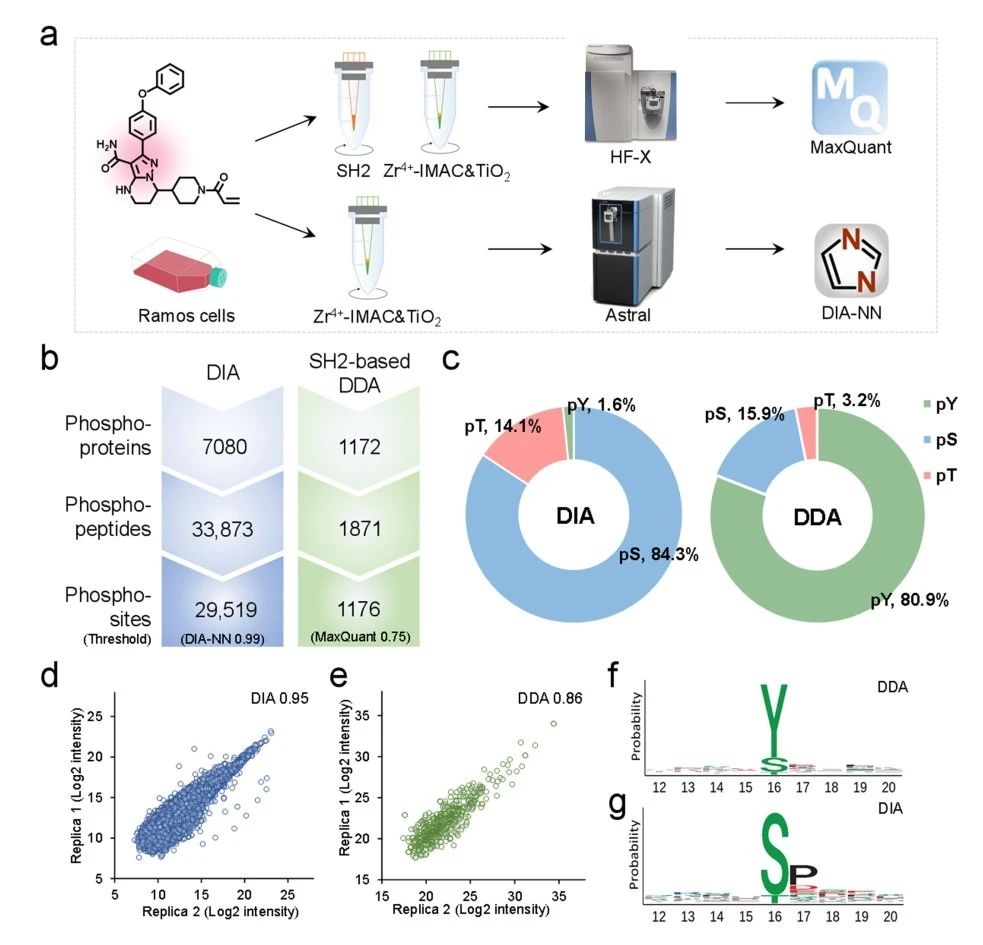
Figure 1. Schematic diagram of ultra deep phosphorylation proteome analysis process and outline of phosphorylation proteome analysis data (click to view large image)
Using Zebutinib as a model, in Data Dependent Mass Spectrometry (DDA) data collection, it was detected that the phosphorylation levels of 25 phosphorylation sites in 25 proteins were significantly upregulated, while the phosphorylation levels of 72 phosphorylation sites in 66 proteins were significantly downregulated (with tyrosine phosphorylation accounting for 80.9%); In the Data Independent Mass Spectrometry (DIA) data collection, it was detected that the phosphorylation levels of 91 phosphorylation sites in 80 proteins were significantly upregulated, while the phosphorylation levels of 167 proteins were significantly downregulated (the vast majority of which were serine/threonine phosphorylation sites) (Figure 2).
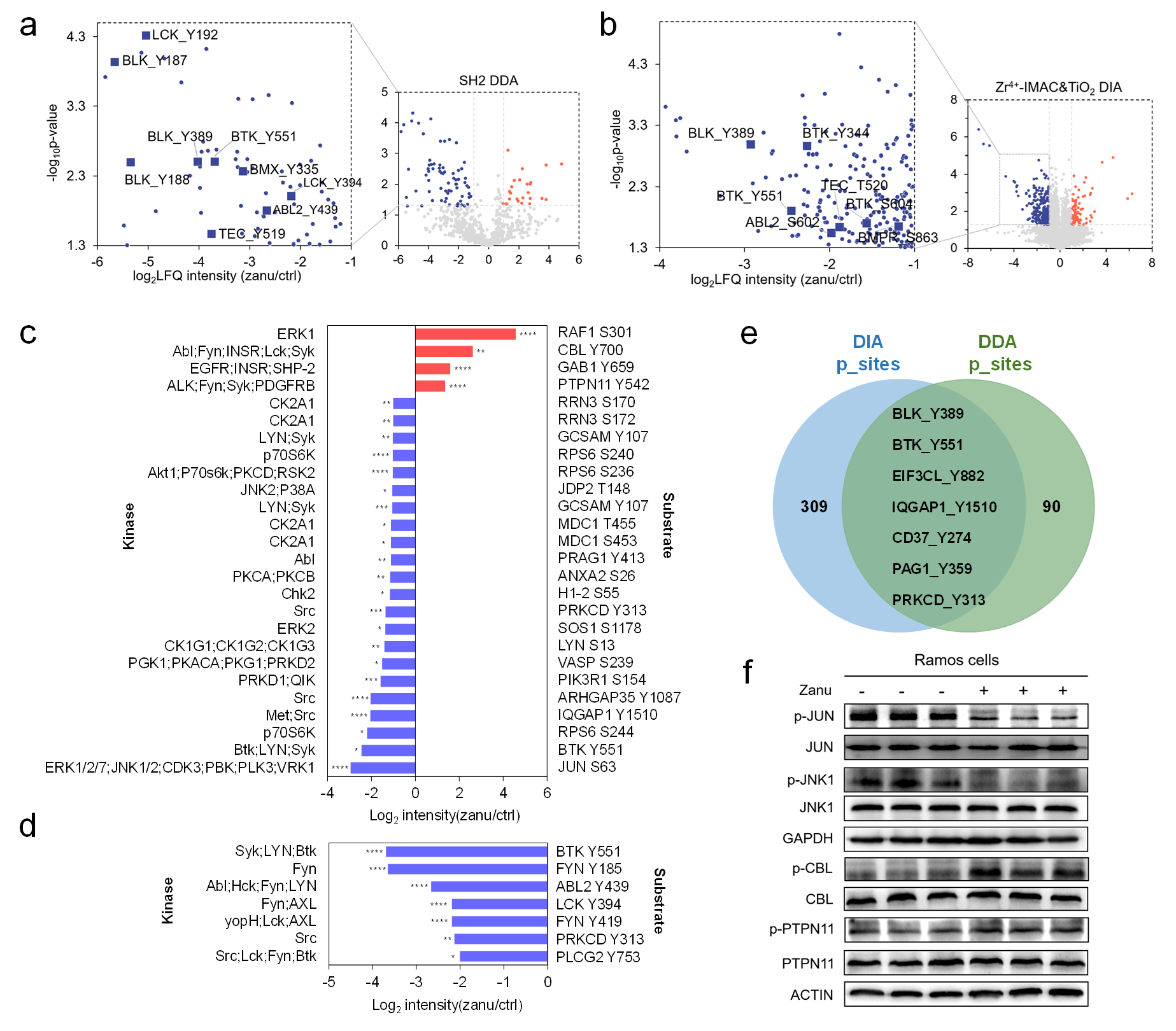
Figure 2. Ultra deep Phosphorylated Proteomic Analysis Reveals Phosphorylation Event Changes in B-cell Lymphoma Cells Induced by Zebutinib (Click to View Large Image)

Figure 3. Protein kinases inhibited or activated by Zebutinib and their involvement in cellular processes
(Click to view large image)
Bioinformatics enrichment analysis showed that in addition to inhibiting the BCR and FcR signaling pathways, Zebutinib also regulated signaling pathways such as B cell apoptosis, EGFR, ERBB, RPTK, and MAPK cascade (Figure 3). Interestingly, their study found that Zebutinib not only inhibited BTK and several key downstream signaling pathways, but also upregulated the phosphorylation levels of RAF1, CBL, and PTPN11 proteins, thereby activating the negative feedback regulation of the ERK1/2 MAPK mediated BCR signaling pathway and blocking signal transduction upstream of the BCR signaling pathway. Compared with the reported targets of Zebutinib in the literature, their ultra deep phosphorylation proteomics strategy can obtain richer target (or off target) information at the live cell level in a high-throughput manner. By mapping phosphorylation events to cellular signaling pathways, the mechanism of action of Zebutinib can be revealed in a panoramic manner (Figure 4).

Figure 4. Potential molecular pharmacological mechanisms of Zebutinib revealed by ultra deep phosphorylation proteomics (click to view larger image)
In summary, ultra deep phosphorylation proteomics analysis can not only comprehensively evaluate the selectivity of protein kinase inhibitors at the cellular level in a high-throughput, high-sensitivity, and high confidence manner, but also reveal more refined mechanisms of action of PKI by analyzing the phosphorylation cascade reactions caused by drugs. In addition, this technology can also be widely used in signal transduction research in cell biology. Zhang Yue, a doctoral candidate of the Chinese Academy of Sciences Shanghai Institute of Organic Chemistry, is the first author of the paper, and Kang Jingwu, a researcher of the Chinese Academy of Sciences Shanghai Institute of Organic Chemistry, and Hao Piliang, a researcher of the organizational analysis platform of the Shanghai University of Science and Technology, are the co corresponding authors. Thank you to Thermo Fisher Scientific for your assistance in Astral analysis. This work has been supported by projects and funds from the National Natural Science Foundation of China, the Chinese Academy of Sciences and the Shanghai Municipal Science and Technology Commission.