-
E-mail
18660167086@163.com
-
Phone
18660167086
-
Address
South section of No. 3 Road, East Industrial New City, Pingyin County, Jinan City, Shandong Province, south of Dongcheng Street
Product Categories
Shandong Qinglei Environmental Technology Co., Ltd
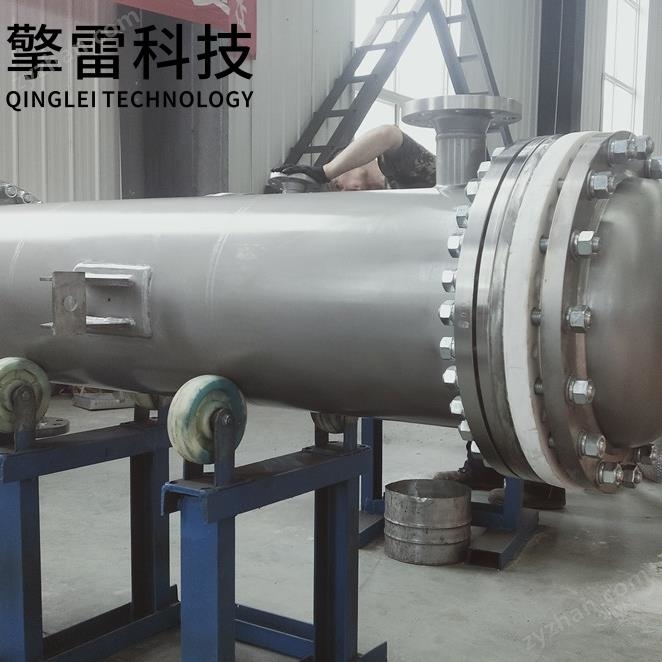
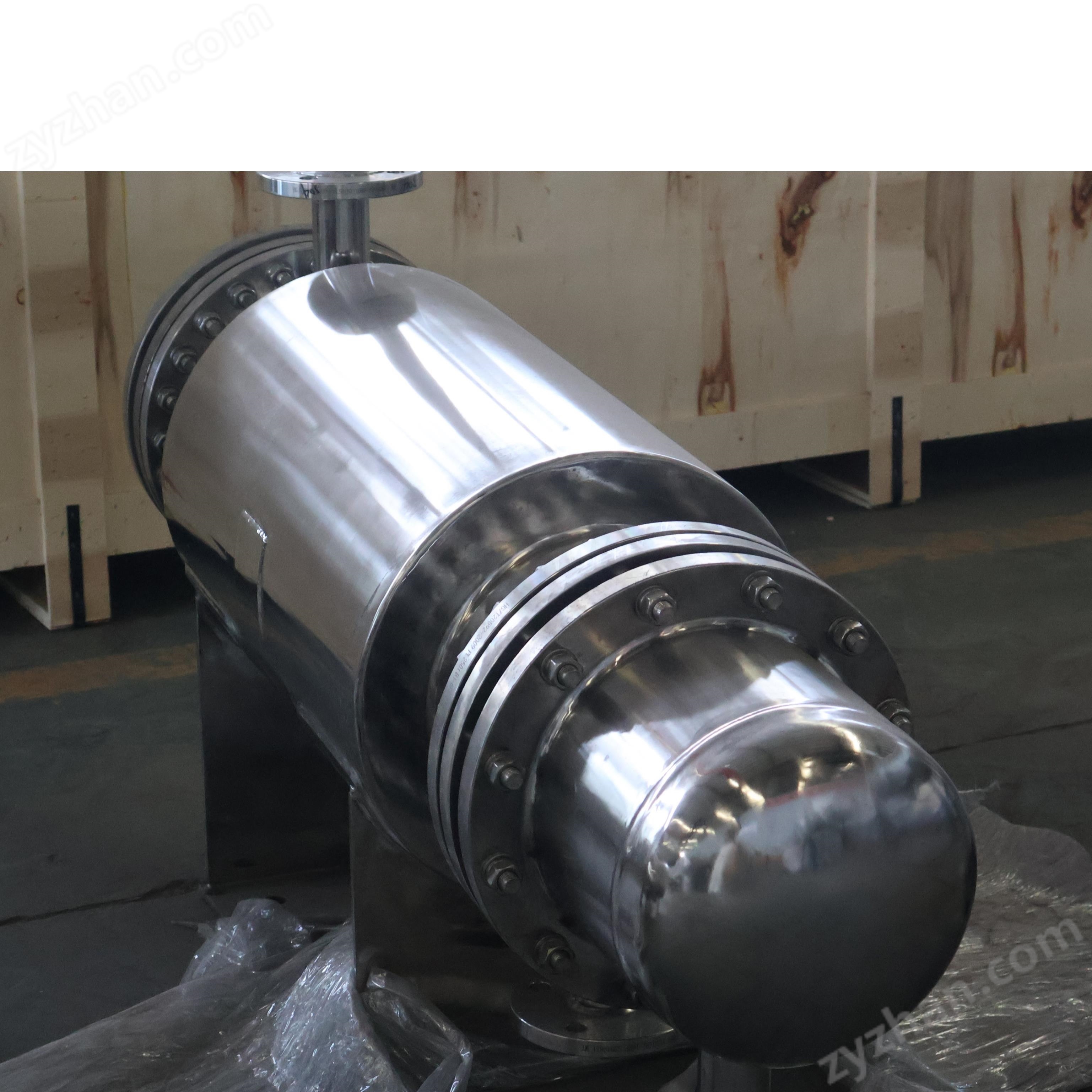
After sales guarantee for immersed snake tube heat exchanger in refining heating
NegotiableUpdate on 01/04
- Model
- Nature of the Manufacturer
- Producers
- Product Category
- Place of Origin
Overview
As a core equipment in the refining process, the immersed coil heat exchanger for refining heating is immersed in high-temperature fluids (such as crude oil and cracking gas) or cooling media (such as circulating water) through a coil bundle to achieve indirect heat exchange. It has a simple structure, high pressure resistance, and strong adaptability, but its heat transfer efficiency is easily affected by factors such as scaling and corrosion. To ensure the long-term stable operation of equipment, it is necessary to establish a full life cycle after-sales support system covering design, installation, maintenance, and upgrading. The following analyzes the implementation path of worry free after-sales service from three core dimensions: refining heating immersion coil heat exchanger after-sales support
Product Details
After sales guarantee for immersed snake tube heat exchanger in refining heating
After sales guarantee for immersed snake tube heat exchanger in refining heating
As a core equipment in the refining process, the immersed coil heat exchanger for refining heating is immersed in high-temperature fluids (such as crude oil and cracking gas) or cooling media (such as circulating water) through a coil bundle to achieve indirect heat exchange. It has a simple structure, high pressure resistance, and strong adaptability, but its heat transfer efficiency is easily affected by factors such as scaling and corrosion. To ensure the long-term stable operation of the equipment, it is necessary to establish a full lifecycle after-sales support system covering design, installation, maintenance, and upgrades. The following analyzes the implementation path of worry free after-sales from three core dimensions:
1、 Intelligent monitoring and predictive maintenance: from passive response to proactive prevention
Real time monitoring of IoT sensors
The device integrates high-precision temperature, pressure, and flow sensors to collect real-time operational data and transmit it to the cloud platform through 5G/4G networks. For example, a certain refinery has deployed over 100 monitoring points to accurately capture temperature fluctuations within ± 1 ℃ on the tube/shell side, reducing the response time for abnormal parameters to 30 seconds.
AI algorithm driven fault warning
Based on machine learning models, analyze historical data and identify fault modes such as scaling, leakage, and corrosion. If a certain enterprise uses convolutional neural networks (CNN) to identify micro leaks at the 0.01mL/s level, and combines digital twin technology to construct a virtual device model, the remaining life prediction error is less than 8%, and unplanned downtime is reduced by 70%.
Blockchain technology enables data traceability
Full lifecycle data such as operation and maintenance records, maintenance logs, and spare parts replacement information are stored on the chain to ensure that the data cannot be tampered with. For example, a petrochemical company achieved cross departmental sharing of equipment operation and maintenance data through a blockchain platform, increasing supply chain transparency by 40% and dispute resolution efficiency by 60%.
2、 Modular maintenance and rapid response: reduce downtime losses and improve operation and maintenance efficiency
Detachable tube bundle design
Adopting modular structures such as flange connections and quick opening heads, it supports independent replacement of single tube bundles or tube boxes. For example, a certain refinery adopts a floating head design, which only requires loosening 8 sets of bolts to extract the tube bundle for high-pressure water jet cleaning. The cleaning time is shortened from 8 hours for traditional equipment to 2 hours, and the annual operation and maintenance cost is reduced by 45%.
Standardized maintenance process
Daily inspection: Check the surface, connecting components, and sealing gaskets of the equipment daily to confirm that there is no rust, water leakage, or looseness; Real time monitoring of key parameters such as temperature, pressure, and flow rate, and immediate handling of abnormal fluctuations.
Chemical cleaning: Use specialized cleaning agents (such as citric acid, sulfamic acid) to remove scale, matching the material characteristics of 316L stainless steel, titanium alloy, and other materials. After removing the calcium carbonate scale layer with citric acid cleaning agent, a certain chemical enterprise restored the heat transfer efficiency to 95% of the design value.
Mechanical cleaning: Use a high-pressure water gun to flush stubborn dirt and avoid scratching the pipe wall. It is recommended to clean once every 6 months in areas with poor water quality, and at least once a year in areas with good water quality.
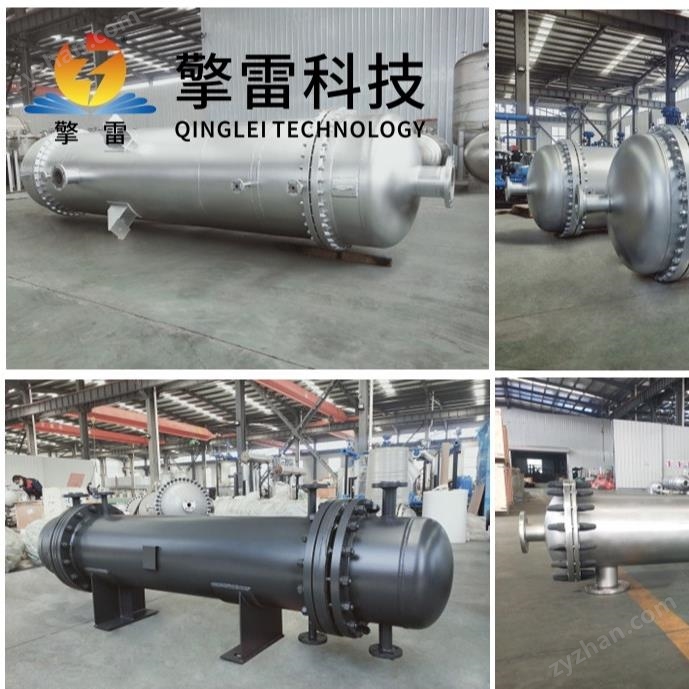
Oil and gasket replacement: Lubricating oil should be replaced every 2000 hours of operation or every six months; Replace the deformed or aged gasket in a timely manner and verify its sealing performance through pressure testing (with a pressure value of 1.5 times the rated pressure of the equipment).
24-hour emergency response mechanism
Establish a nationwide after-sales service network, equipped with a team of professional engineers and spare parts warehouses. For example, a service provider has passed the "Star Maintenance Service" certification, promising to respond within 4 hours after receiving a fault notification and arrive on-site within 24 hours, resulting in a 45% decrease in customer failure rate.
3、 Full process compliance support and green upgrading: meeting environmental requirements and supporting sustainable development
Material certification and compliance documents
Provide full process documentation support from material certification, welding inspection reports to GMP/FDA verification to ensure equipment complies with international standards such as ASME BPE and PED. For example, a vaccine production company replaced traditional stainless steel with silicon carbide ceramic tube bundles, which increased corrosion resistance by 5 times and reduced hazardous waste production by over 100 tons per year.
Energy saving renovation and waste heat recovery
Supercritical fluid treatment technology: recovers waste heat from catalytic cracking units in refineries, reducing annual carbon dioxide emissions by 15000 tons.
Spiral winding tube bundle design: By reverse winding at a helix angle of 3 ° -20 °, a three-dimensional flow channel is formed, which increases turbulence intensity by 50% and achieves a heat transfer coefficient of 1500-2500 W/(m ² · K), which is 3-5 times higher than traditional straight pipe type. For example, after adopting this design in a certain antibiotic synthesis project, the condensation efficiency reached over 98% and the system energy efficiency increased by 15%.
Low carbon materials and recycling
Biobased coating: using biodegradable materials to reduce environmental impact throughout the entire lifecycle.
Silicon carbide waste recycling: Establish a closed-loop recycling system, reducing carbon emissions from a single device by 30%.
3D printing customized tube bundle: Customize irregular structures for complex working conditions to reduce material waste.
4、 Typical case: After sales support drives dual improvement of efficiency and benefits
Continuous reforming unit of a certain refinery: After replacing the traditional U-shaped tube heat exchanger with a coiled tube heat exchanger, the fluctuation of mixed feed temperature was reduced by 80%, the operating cycle of the unit was extended to 3 years, and the annual maintenance cost was saved by 20 million yuan.
Boiler flue gas waste heat recovery in a certain thermal power plant: After adopting high-efficiency tube heat exchangers, the system's heat consumption was reduced by 12%, saving about 1.2 million kWh of electricity annually and reducing CO ₂ emissions by over 1000 tons.
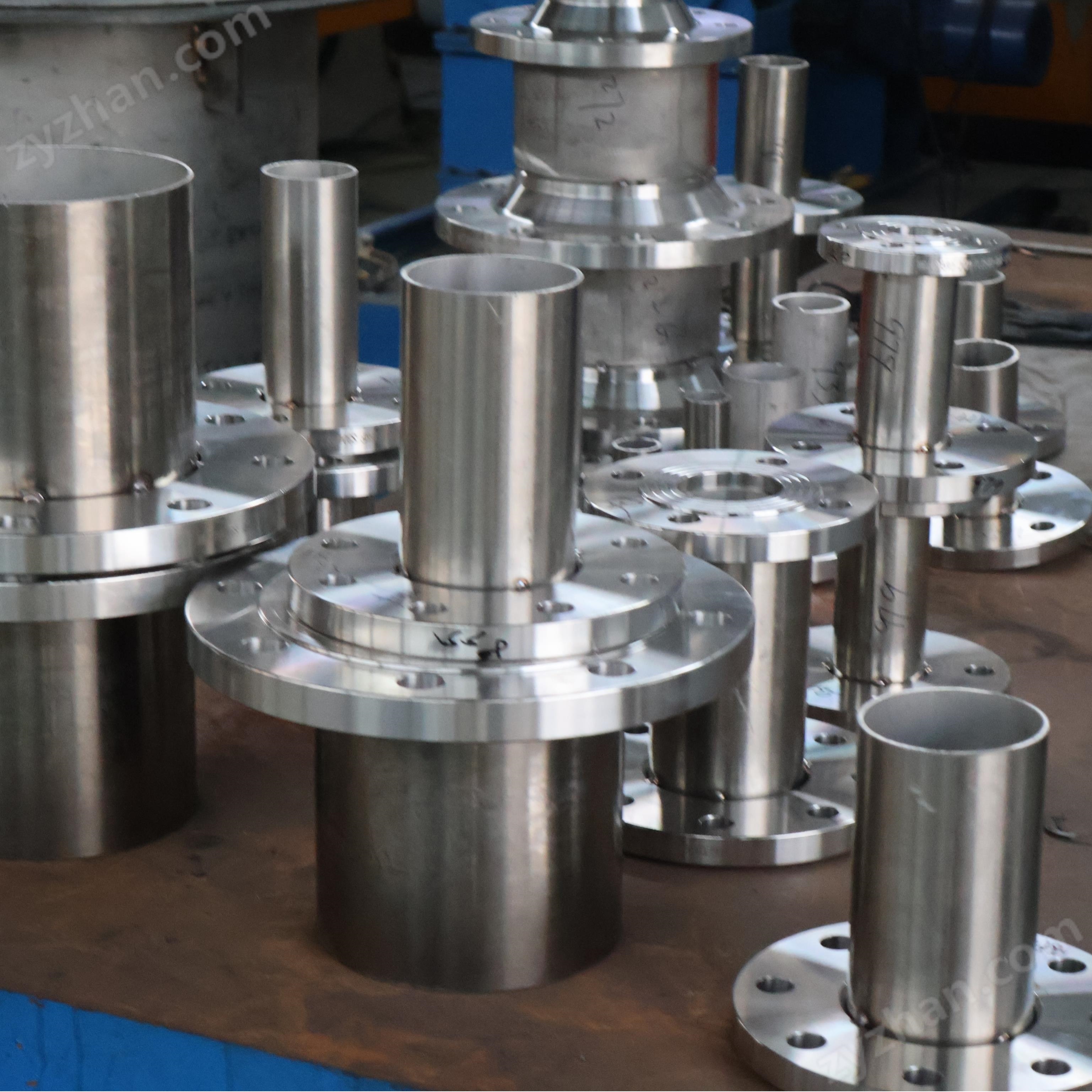
Application of titanium heat exchanger in a certain chlor alkali enterprise: corrosion resistance is four times higher than 316L stainless steel, service life exceeds 10 years, and annual power saving is about 200000 kW · h.
5、 Future trend: Deep integration of intelligence and greenness
AIoT+digital twin: enables real-time tracking and remote maintenance of device status, with a predictive maintenance accuracy rate of over 98%.
Natural cooling medium replacement: Developing CO ₂ working fluid to replace Freon and reduce greenhouse gas emissions.
Modular leasing model: reduces initial investment for enterprises and shortens the investment payback period to 1.5 years.
Whole life cycle carbon footprint management: optimizing the entire chain from design, manufacturing to operation and maintenance, helping enterprises achieve their "dual carbon" goals.
Similar Product Recommend