-
E-mail
18660167086@163.com
-
Phone
18660167086
-
Address
South section of No. 3 Road, East Industrial New City, Pingyin County, Jinan City, Shandong Province, south of Dongcheng Street
Product Categories
Shandong Qinglei Environmental Technology Co., Ltd
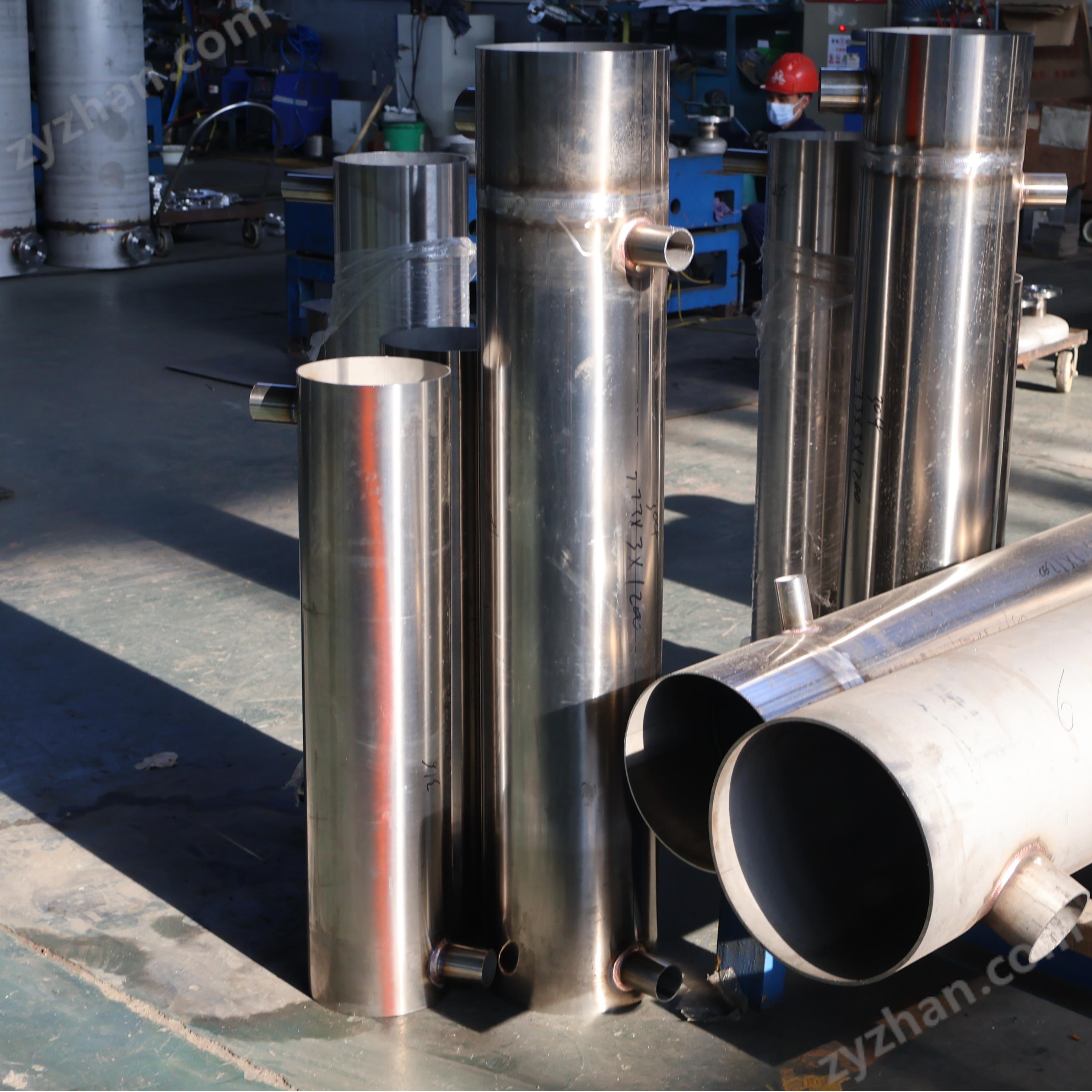
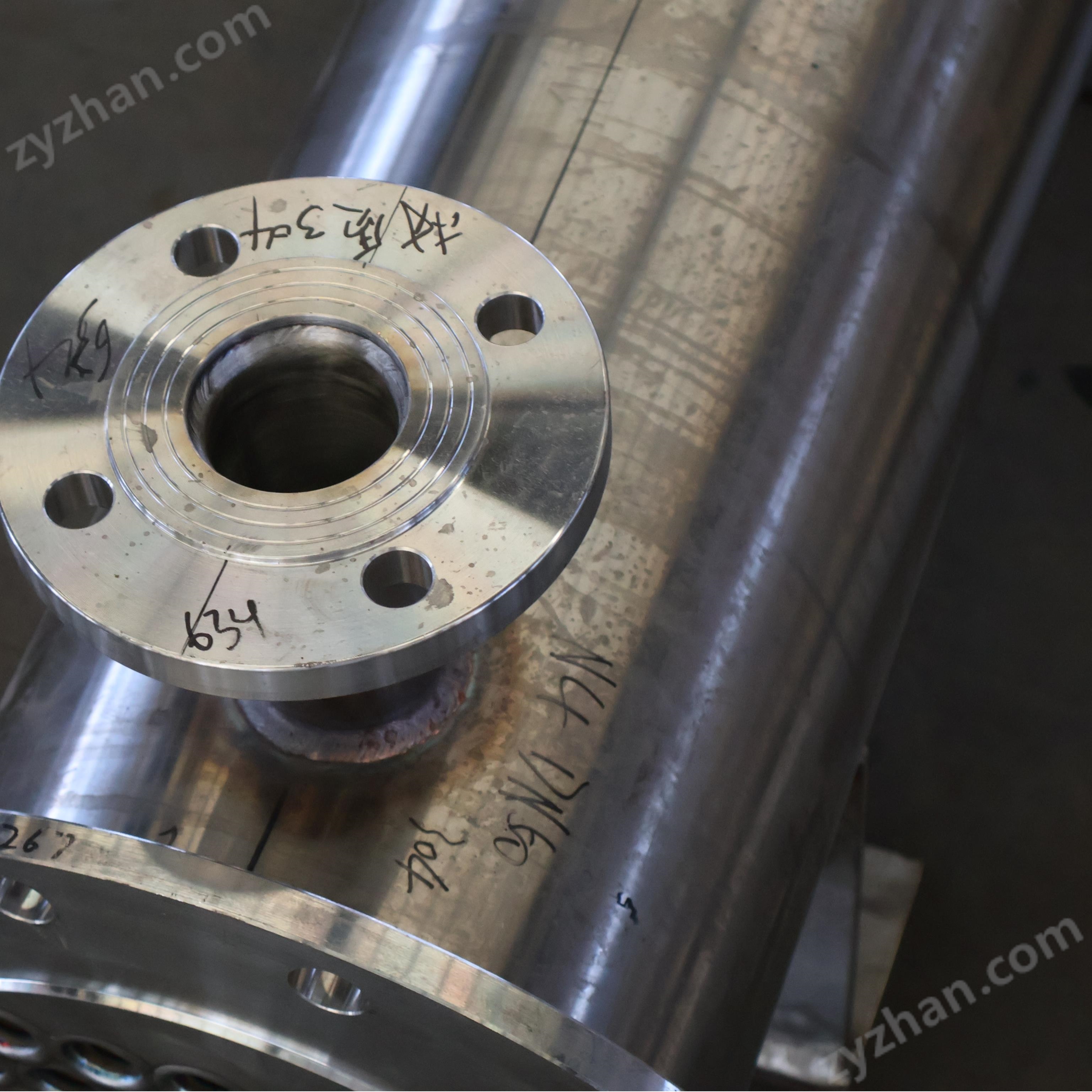

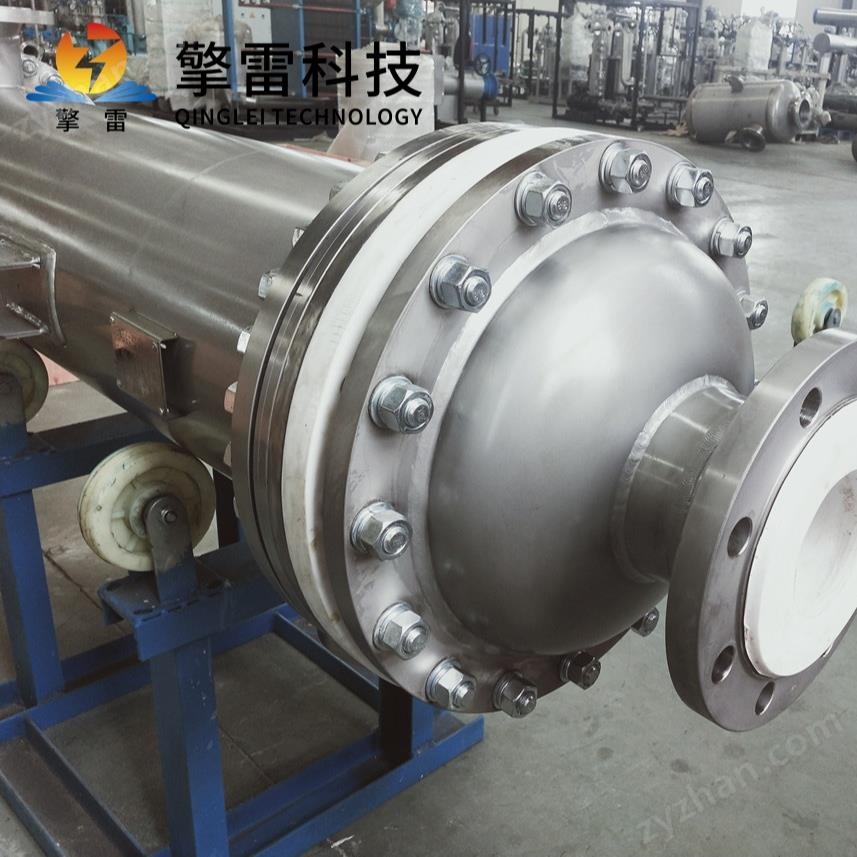
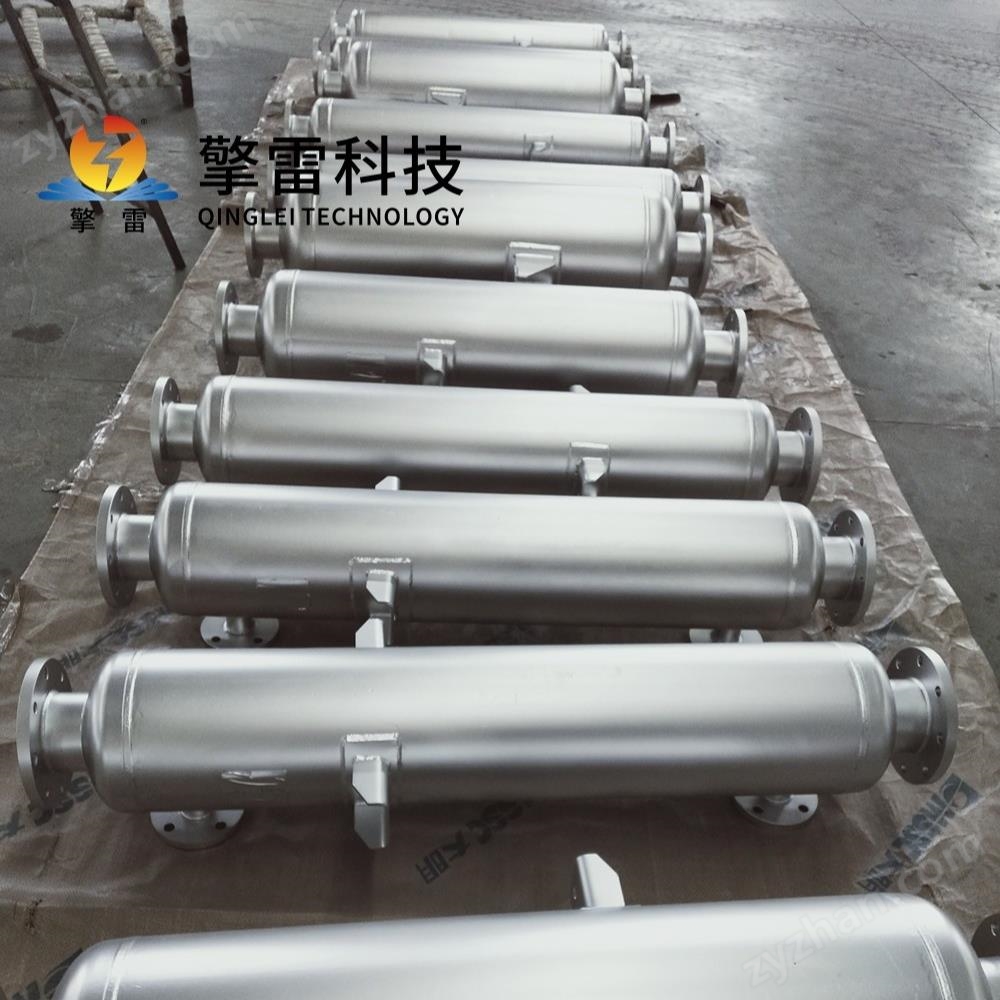
After sales of nitric acid tube heat exchange equipment
NegotiableUpdate on 01/04
- Model
- Nature of the Manufacturer
- Producers
- Product Category
- Place of Origin
Overview
Nitric acid tube heat exchange equipment after-sales service $r $n The nitric acid tube heat exchange equipment is based on the classic wall to wall heat transfer principle, which separates the high-temperature nitric acid medium (or mixed gas containing nitric acid) from the low-temperature cooling medium (such as cooling water, frozen salt water) through the tube wall, and uses the temperature difference to achieve heat transfer. The heat transfer process is divided into three stages: heat transfer stage: the high-temperature nitric acid medium flows inside the tube and transfers heat to the tube wall through convective heat transfer. For example, in the condensation of tail gas in nitric acid production, the high-temperature tail gas at 150-250 ℃ flows through the tube side, and the heat is quickly conducted to the tube wall.
Product Details
After sales of nitric acid tube heat exchange equipment
After sales of nitric acid tube heat exchange equipment
1、 Technical principle: Efficient implementation of inter wall heat transfer
The nitric acid tube heat exchange equipment is based on the classic wall to wall heat exchange principle, which separates the high-temperature nitric acid medium (or nitric acid containing mixed gas) from the low-temperature cooling medium (such as cooling water, frozen salt water) through the tube wall, and uses the temperature difference to achieve heat transfer. The heat exchange process is divided into three stages:
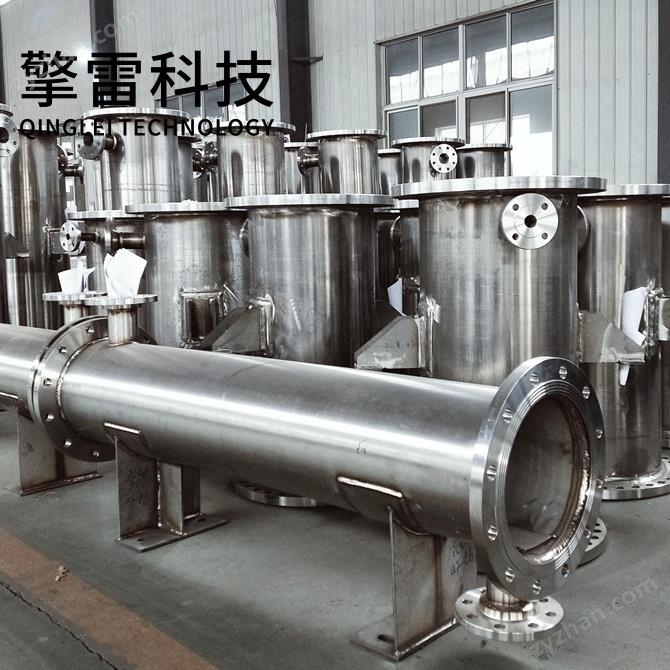
Heat transfer stage: The high-temperature nitric acid medium flows inside the tube and transfers heat to the tube wall through convective heat transfer. For example, in the condensation of tail gas in nitric acid production, the high-temperature tail gas at 150-250 ℃ flows through the tube side, and the heat is quickly conducted to the tube wall.
Thermal conduction stage of pipe wall: Heat is conducted to the low-temperature side through corrosion-resistant pipe walls such as silicon carbide (SiC), titanium alloy, or Hastelloy alloy. Silicon carbide has a thermal conductivity of 125.6 W/(m · K), which is twice that of graphite, and can withstand high temperatures of 1900 ℃ and thermal shock, making it an ideal material for concentrated nitric acid (concentration>68%) working conditions.
Cooling and condensation stage: The low-temperature cooling medium flows through the shell side, absorbs heat from the pipe wall, and condenses high-temperature nitric acid vapor into liquid form. For example, in the nitric acid concentration process, when 60% nitric acid is heated above 120 ℃, the titanium alloy tube bundle can resist high-temperature corrosion and achieve efficient condensation.
Structural advantages: The tubular design has a large heat transfer area and regular flow channels, which can be adapted to different processing capacities by adjusting the number, length, and shell side design of the tubes. Bow shaped baffles are installed vertically at fixed intervals inside the shell, forcing the fluid in the shell side to flow in a "Z" shape, increasing turbulence intensity by 40% and heat transfer coefficient by 20% -30%; The spiral guide plate guides the fluid to form a spiral flow, reducing the pressure drop on the shell side by 25% and increasing the heat transfer efficiency by 18%.
2、 Core Material: Balancing Corrosion Resistance and Efficiency in Art
The strong oxidizing and corrosive properties of nitric acid require strict material selection, and the core component materials need to balance corrosion resistance and thermal conductivity:
Silicon carbide (SiC): suitable for concentrated nitric acid (>68%) working conditions, high temperature resistance, strong acid and alkali resistance, annual corrosion rate<0.005mm, and service life 3-5 times that of metal equipment. For example, in the coastal chemical industrial park, the silicon carbide tube bundle has been running continuously for 5 years without corrosion leakage.
Titanium alloy: Excellent resistance to concentrated nitric acid corrosion, high strength, suitable for medium and high temperature conditions (≤ 85 ℃), but high cost. In the condensation of tail gas from nitric acid production, the titanium alloy condenser increases the condensation efficiency by 40%, increases steam production by 15%, and reduces the concentration of NO ₓ emissions to below 50mg/m ³.
Hastelloy: such as Hastelloy C-276 (containing 16% Mo, 15% Cr), resistant to mixed acids of nitric acid and sulfuric acid, suitable for corrosive working conditions. In the treatment of nitro fuel wastewater, the Hastelloy alloy heat exchanger saves 1.5 million yuan in steam costs annually, and the COD of wastewater discharge is reduced to 300mg/L.
316L stainless steel: suitable for low to medium concentration nitric acid (20% -60%), but the medium temperature should be controlled to ≤ 80 ℃ to avoid intergranular corrosion. In the treatment of metal pickling waste gas, the 316L stainless steel condenser achieves a nitric acid vapor recovery rate of over 85%.
3、 Application scenario: Process requirements covering the entire nitric acid industry chain
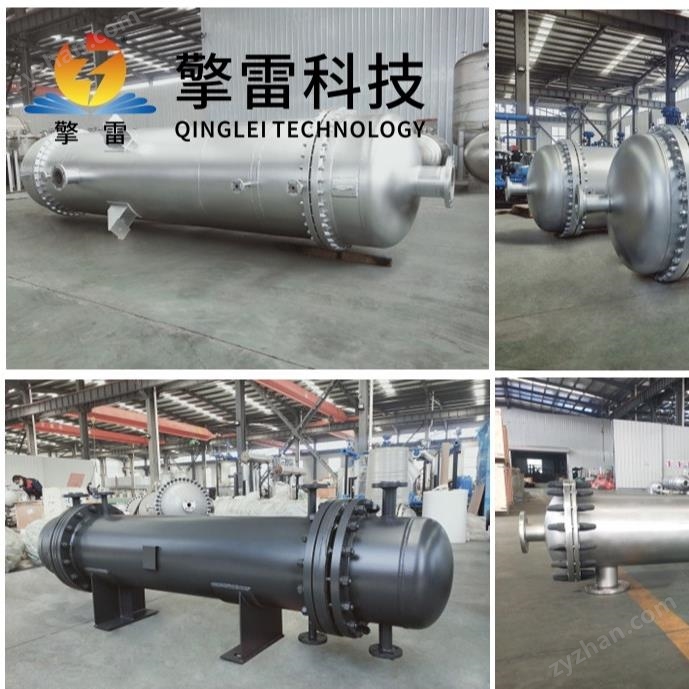
The application scenarios of nitric acid tube heat exchange equipment revolve around the entire industry chain of "production processing recovery" of nitric acid, which can be divided into three categories:
Nitric acid production process:
Tail gas condensation: In the process of producing nitric acid by ammonia oxidation, the high-temperature nitric acid mixture needs to be converted into liquid nitric acid through a condensation process. At this point, a nitric acid tube condenser is required, using cooling water as the cooling medium, to reduce the temperature of the mixed gas from 150-200 ℃ to 40-60 ℃, condensing nitric acid vapor into dilute nitric acid (with a concentration of about 40-60%), while separating unreacted NOx gas (which can be refluxed to the absorption tower for further processing). In such working conditions, the condenser needs to withstand corrosion from strong oxidizing mixtures containing NOx, and typically uses Hastelloy or titanium alloy materials.
Concentration process: When heating 60% nitric acid to above 120 ℃, high-temperature and corrosion-resistant heat exchange equipment is required. Titanium alloy tube bundles can resist high-temperature nitric acid corrosion, reduce equipment footprint by 40%, and have a payback period of only 2 years. For example, a nitric acid production enterprise uses titanium alloy tube heat exchangers to concentrate nitric acid from 60% to 90%, with a heat transfer coefficient of 12000W/(m ² · K), a 30% increase in evaporation efficiency, and an annual savings of 2 million yuan in steam costs.
Waste gas and wastewater treatment process:
Nitro fuel wastewater treatment: A project with a daily discharge of 300 tons of wastewater (including 5000 mg/L nitrobenzene and 8% sulfuric acid) uses a series heat exchanger of silicon carbide and Hastelloy alloy, saving 1.5 million yuan in steam costs annually and reducing the COD of wastewater discharge to 300 mg/L.
Metal acid pickling waste gas treatment: After preliminary dust removal, stainless steel acid pickling waste gas enters the tube condenser, where frozen salt water is used as the cooling medium (temperature ≤ 0 ℃) to condense nitric acid vapor into dilute nitric acid (concentration about 10% -20%), with a recovery rate of over 85%. The remaining tail gas is discharged after adsorption treatment to meet the standard.
Energy recovery process:
Refinery heat recovery system: In the refinery heat recovery system, the crude oil heat exchange efficiency is increased by 25%, saving over 10000 tons of fuel annually.
LNG vaporization: In LNG receiving stations, LNG is vaporized and cold energy is recovered, saving over 5 million yuan in fuel costs annually.
4、 Key selection points: matching the core parameters required by the working conditions
Whether the selection is reasonable directly affects the operating efficiency and service life of nitric acid tube heat exchange equipment, and the following parameters should be focused on:
Nitric acid concentration and temperature:
Concentrated nitric acid with a concentration greater than 68% has strong oxidizing properties and requires the use of silicon carbide or Hastelloy alloy.
Dilute nitric acid with a concentration of less than 20% is prone to hydrogen embrittlement, and titanium alloy or 316L stainless steel (temperature control is required) should be selected.
Medium flow rate and pressure:
The medium flow rates of the tube side and shell side need to be matched to avoid a decrease in heat transfer efficiency due to low flow rates (flow rate recommendation: tube side ≥ 1.0m/s, shell side ≥ 0.5m/s).

The working pressure of the medium needs to be clearly defined, and the wall thickness of the tube plate and shell needs to be calculated according to the pressure (following the GB150 "Pressure Vessel" standard) to ensure the compressive performance of the equipment.
Heat exchange area:
According to the calculation of heat transfer and heat transfer coefficient (K value), the formula is: A=Q/(K Δ t ₘ), where Δ t ₘ is the logarithmic mean temperature difference.
Nitric acid medium is prone to form corrosion products or scaling on the pipe wall, and it is necessary to reserve a 10% -20% heat transfer area margin to avoid a decrease in heat transfer capacity after long-term operation.
Flow channel design:
If the nitric acid medium contains impurities (such as metal ions, solid particles), it is recommended to arrange nitric acid on the tube side (for easy cleaning) and cooling medium on the shell side.
Multi pass structures need to avoid fluid short circuits and ensure that each tube participates in heat transfer.
Security attachments:
Safety valves (to prevent overpressure), pressure gauges (to monitor inlet and outlet pressure), thermometers (to monitor medium temperature), and level gauges (if liquid is stored after condensation) are required.
For negative pressure conditions, it is necessary to install a vacuum breaker valve to ensure the safe operation of the equipment.
Similar Product Recommend