-
E-mail
18660167086@163.com
-
Phone
18660167086
-
Address
South section of No. 3 Road, East Industrial New City, Pingyin County, Jinan City, Shandong Province, south of Dongcheng Street
Product Categories
Shandong Qinglei Environmental Technology Co., Ltd
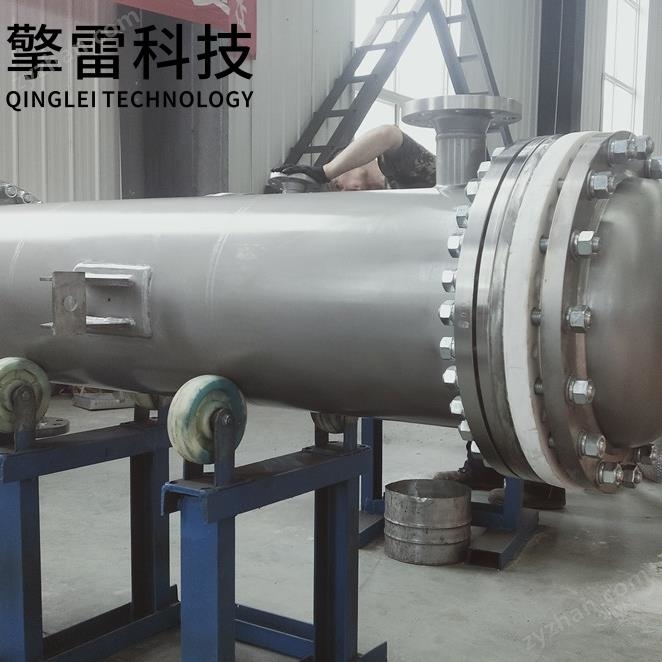
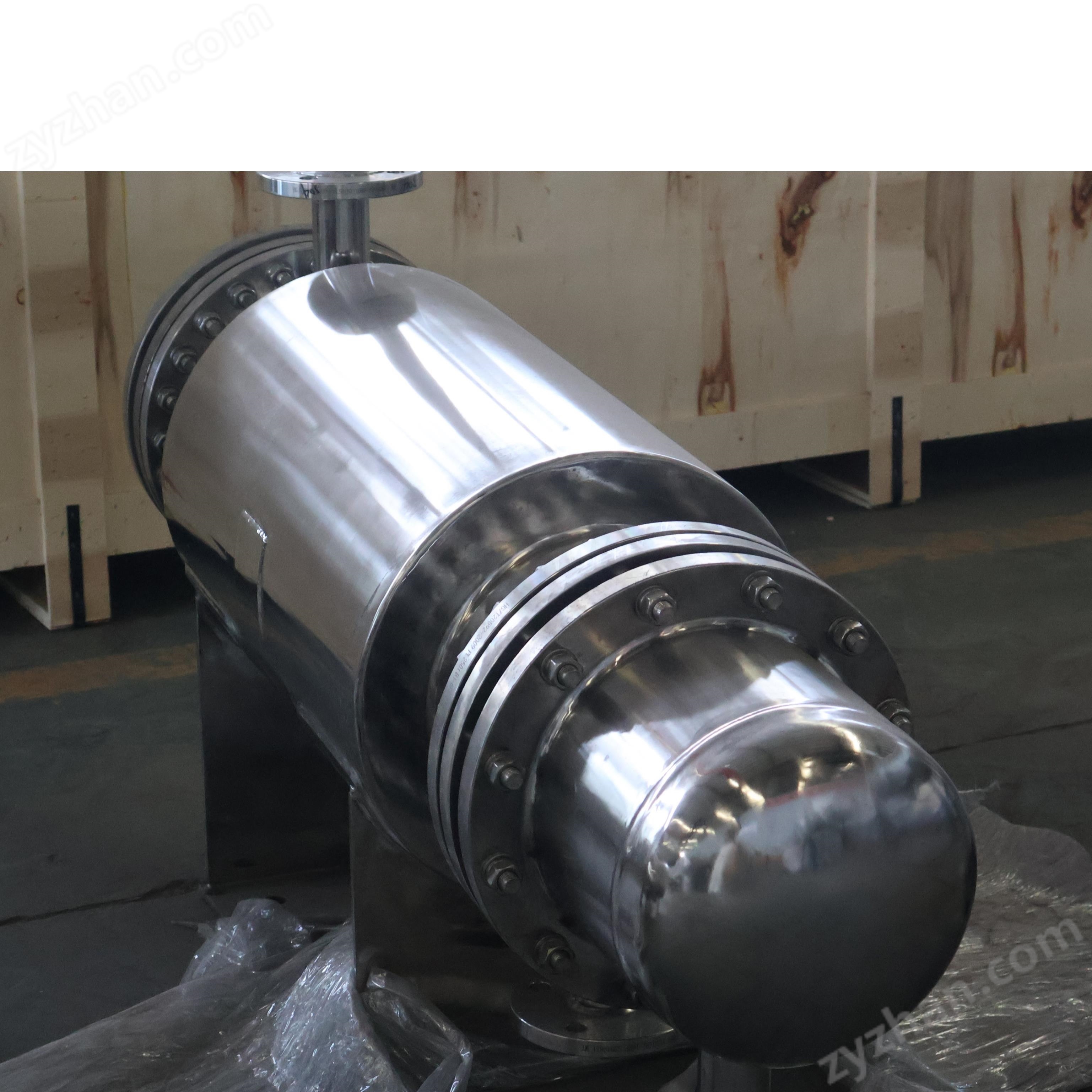
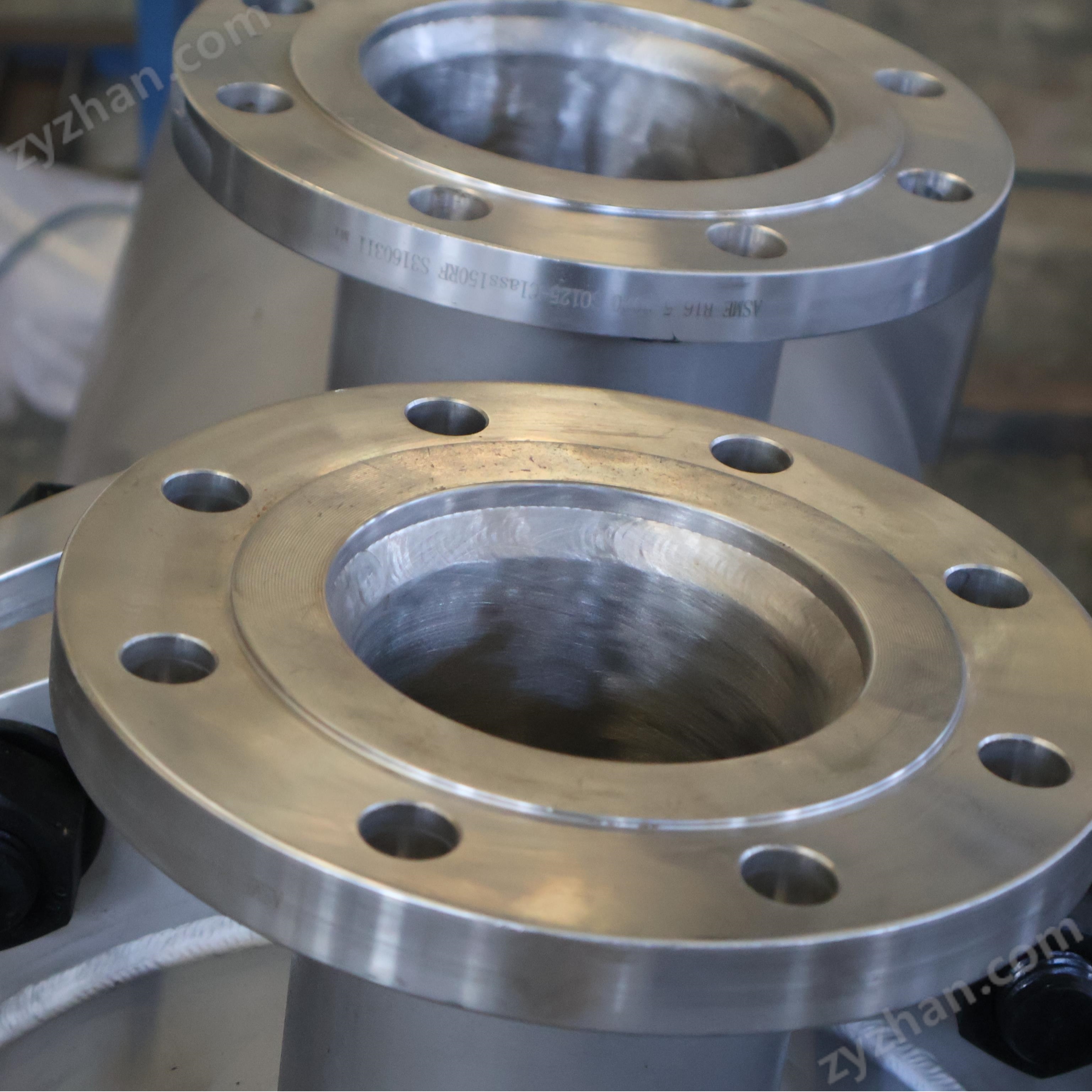
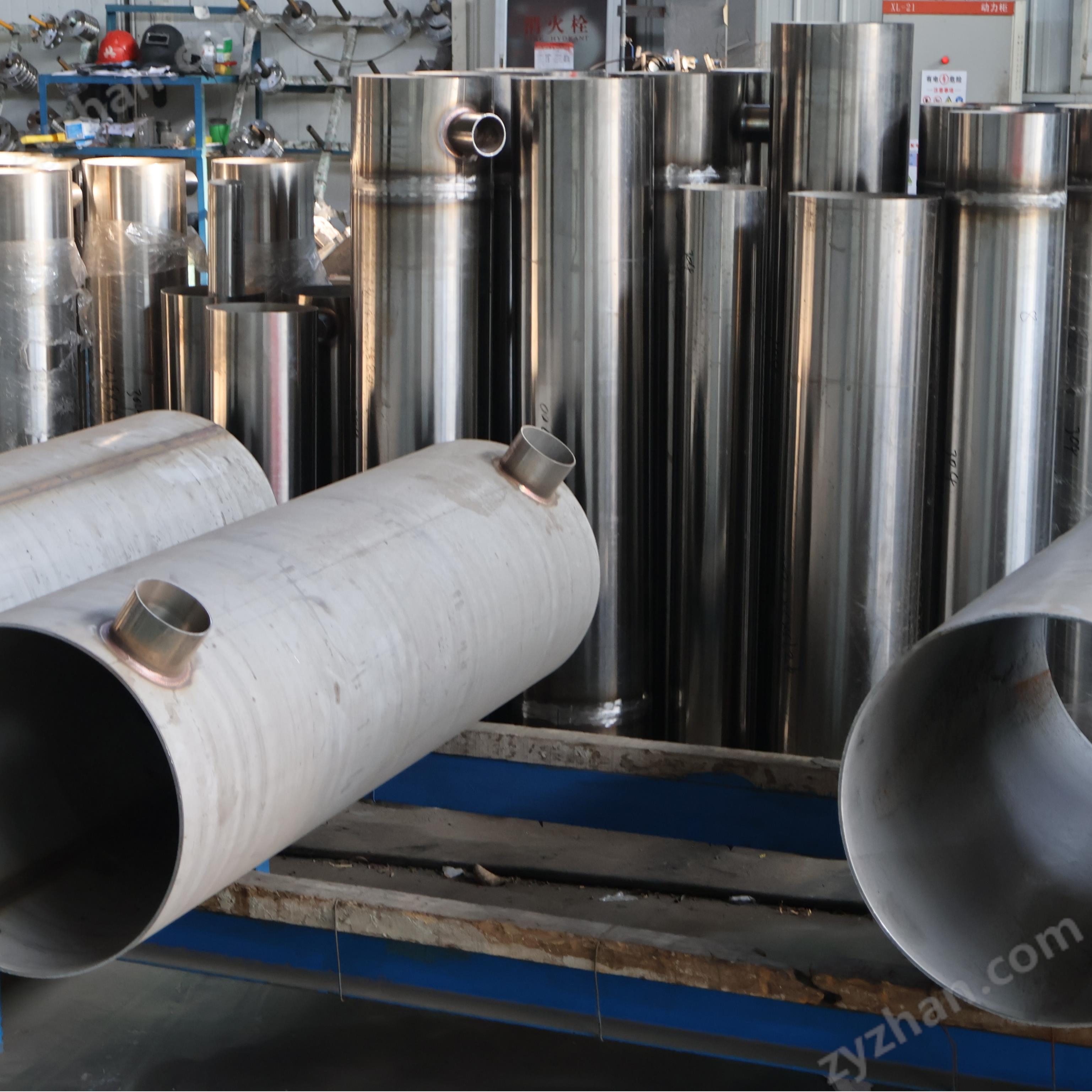
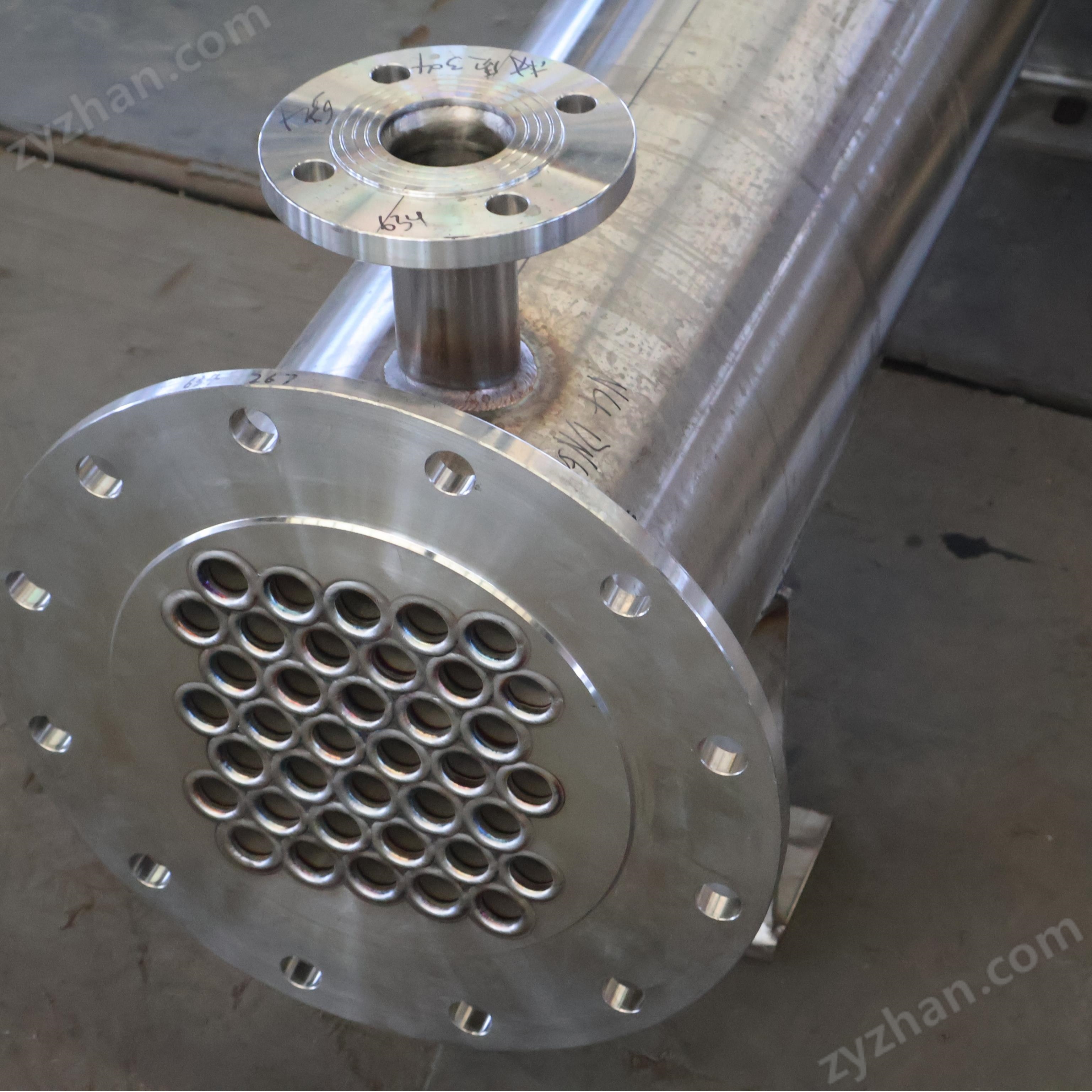
After sales service of ammonia silicon carbide condenser
NegotiableUpdate on 01/04
- Model
- Nature of the Manufacturer
- Producers
- Product Category
- Place of Origin
Overview
After sales service of ammonia silicon carbide condenser: In the industrial fields of chemical, energy, environmental protection, etc., the ammonia condensation process has extremely strict requirements for equipment performance. Traditional metal condensers are prone to corrosion leakage, thermal shock cracking, and other problems under high temperature and strong corrosion conditions, resulting in short equipment life and high maintenance costs. The ammonia silicon carbide condenser has become a key equipment for solving industry pain points due to its high temperature resistance, corrosion resistance, and efficient heat transfer performance. Its comprehensive after-sales service system provides full lifecycle support from installation, operation and maintenance to upgrading, truly achieving "worry free after-sales".
Product Details
After sales service of ammonia silicon carbide condenser
After sales service of ammonia silicon carbide condenser
In industrial fields such as chemical, energy, and environmental protection, the ammonia condensation process has extremely strict requirements for equipment performance. Traditional metal condensers are prone to corrosion leakage, thermal shock cracking, and other problems under high temperature and strong corrosion conditions, resulting in short equipment life and high maintenance costs. The ammonia silicon carbide condenser has become a key equipment for solving industry pain points due to its high temperature resistance, corrosion resistance, and efficient heat transfer performance. Its comprehensive after-sales service system provides full lifecycle support from installation, operation and maintenance to upgrading, truly achieving "worry free after-sales".
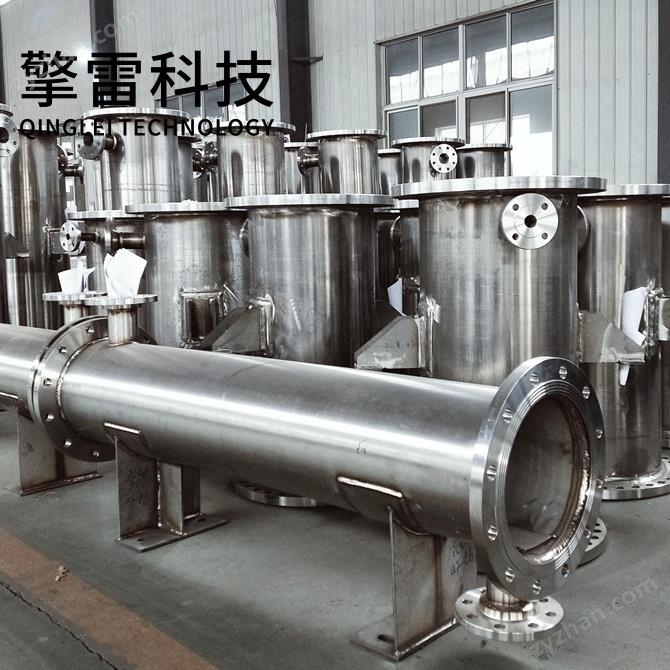
1、 Material characteristics: laying the foundation for after-sales support
As a third-generation semiconductor material, silicon carbide (SiC) endows equipment with three core advantages due to its crystal structure, providing a solid foundation for after-sales support:
High temperature resistance: With a melting point of up to 2700 ℃, it can operate stably for a long time at a high temperature of 1600 ℃, and can withstand temperatures exceeding 2000 ℃ in a short time. For example, in the ethylene cracking unit, the silicon carbide condenser successfully withstands the rapid cooling shock of 1350 ℃ synthesis gas, achieving a thermal shock resistance of 400 ℃/min, avoiding the risk of leakage caused by thermal shock cracks, and ensuring long-term stable operation of the equipment.
Corrosion resistance: It is chemically inert to concentrated sulfuric acid, molten salt and other media, with an annual corrosion rate of<0.005mm, which is 100 times higher than the corrosion resistance of 316L stainless steel. In the chlor alkali industry, the equipment lifespan has exceeded 10 years, far exceeding the 5-year cycle of traditional titanium materials; In cooling scenarios, the service life is over 8 years, maintenance costs are reduced by 75%, and equipment replacement and repair needs caused by corrosion are significantly reduced.
High thermal conductivity: The thermal conductivity coefficient reaches 120-270W/(m · K), which is twice that of copper and 3-5 times that of stainless steel. By using spiral winding structure and threaded tube design, the heat transfer coefficient is increased by 30% to 50%, and the comprehensive heat transfer efficiency is improved by more than 50% compared to traditional equipment. For example, after adopting a silicon carbide condenser in the phosphoric acid concentration unit, the heat transfer efficiency increased from 68% to 82%, saving 12000 tons of steam annually and reducing energy costs.
2、 Structural Innovation: Enhancing the Reliability of After sales Service
The ammonia silicon carbide condenser achieves dual breakthroughs in efficient heat transfer and reliable operation through innovative structures such as spiral winding tube bundles, modular design, and intelligent sealing systems, providing technical support for after-sales service
Spiral winding tube bundle: Hundreds of silicon carbide tubes are wound in reverse at a 15 ° spiral angle to form a three-dimensional heat transfer network, extending the tube path by 2-3 times and increasing the heat transfer area by 40% -60%. The spiral threads on the inner wall enhance turbulence, increasing the heat transfer efficiency of the phosphoric acid concentration unit from 68% to 82% and saving 12000 tons of steam annually. At the same time, the spiral structure generates a centrifugal force of ≥ 5m/s ², reducing the thickness of the boundary layer on the tube side by 50%, decreasing the fouling deposition rate by 70%, and reducing cleaning frequency and maintenance costs.
Modular design: supports quick replacement of single tube bundles, reducing maintenance time by 70%. For example, after adopting a modular silicon carbide condenser in the homogenization furnace project of a certain steel enterprise, continuous operation for over 20000 hours without performance degradation was achieved, and maintenance costs were reduced by 75%. Modular design also supports rapid expansion of equipment to meet the needs of production scale expansion.
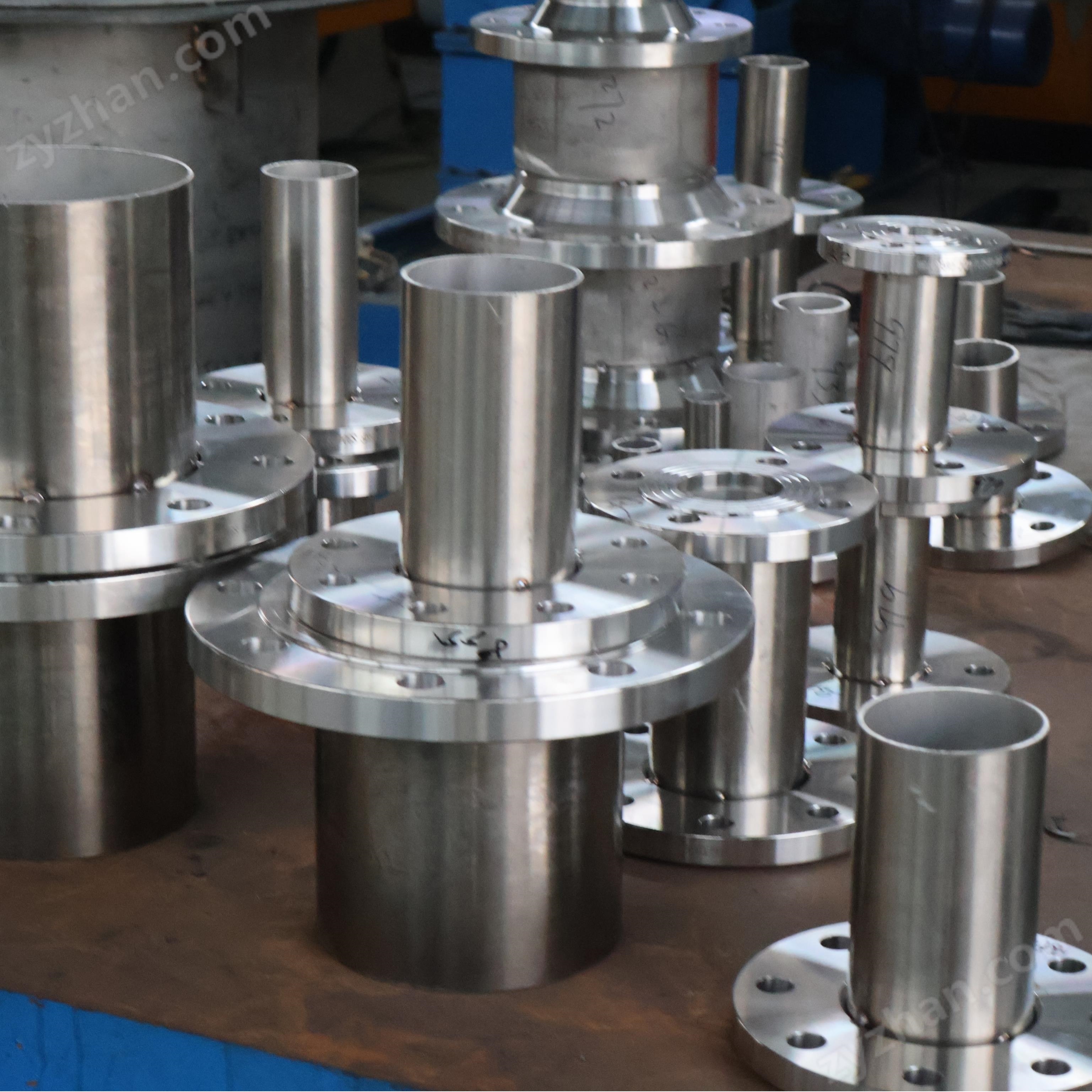
Intelligent sealing system: adopting double O-ring sealing and double tube plate design, with a leakage rate of<0.01%/year, meeting the requirements of high-pressure working conditions. The composite tube plate solves the problem of thermal expansion coefficient difference through silicon carbide metal gradient structure, with equipment deformation less than 0.1mm, extending equipment life to 15-20 years.
3、 After sales service system: worry free guarantee throughout the entire lifecycle
The after-sales service system of ammonia silicon carbide condenser covers the entire process of installation, operation and maintenance, and upgrade, ensuring long-term stable operation of the equipment:
Customized selection and installation: A professional team provides selection recommendations based on working conditions such as medium composition, temperature, and pressure, and dispatches engineers to the site for installation to ensure seamless integration between equipment and process systems. For example, in high-temperature exhaust gas condensation conditions, it is recommended to use a titanium alloy tube bundle silicon carbide condenser to resist nitric acid corrosion; Optimizing the winding method to improve heat transfer efficiency in the dilute nitric acid concentration process.
Quick response and problem solving: Establish a 4-hour response and 48 hour on-site handling mechanism to provide professional solutions for issues such as leakage, scaling, and vibration. For example, by plugging the pipe to prevent leakage, chemical cleaning (such as 5% dilute nitric acid) is used to restore heat transfer efficiency, and the position of the anti vibration strip is adjusted to reduce vibration intensity.
Intelligent monitoring and predictive maintenance: integrating IoT sensors and AI algorithms, real-time monitoring of 16 key parameters such as pipe wall temperature gradient and fluid flow rate, with an accuracy rate of fault warning>98%. The digital twin technology constructs a virtual device model, optimizes operating parameters through CFD FEM coupling algorithm, shortens the design cycle by 50%, and improves operation and maintenance efficiency by 60%. For example, a chemical company predicts the lifespan of its control system through a digital twin model, arranges maintenance plans in advance, and reduces unplanned downtime by 75%.
Regular inspection and upgrade services: Conduct inspections every six months to check the corrosion of the tube bundle and shell, measure changes in wall thickness, and conduct pressure tests annually; Provide material upgrades (such as graphene/silicon carbide composites), structural optimization (such as 3D printed biomimetic flow channels), and other services based on technological development to extend equipment lifespan to 15-20 years.
4、 Application Case: Empirical Study on the Value of After sales Support
Renovation of a 150 kt/a ammonium chloride plant in Guangxi: After operating with a titanium condenser for 3 months, the tube plate corroded and perforated, and the neck crack rate of the expansion tube exceeded 20%. The annual maintenance cost reached 2 million yuan. After replacing with a silicon carbide tube condenser, the equipment's lifespan exceeded 10 years, which is three times longer than that of titanium equipment; The condensation efficiency has been increased to 85%, the steam consumption has been reduced by 25%, and the annual energy cost has been saved by 1.5 million yuan; The maintenance cycle has been extended to 5 years, reducing annual maintenance costs by 75%.
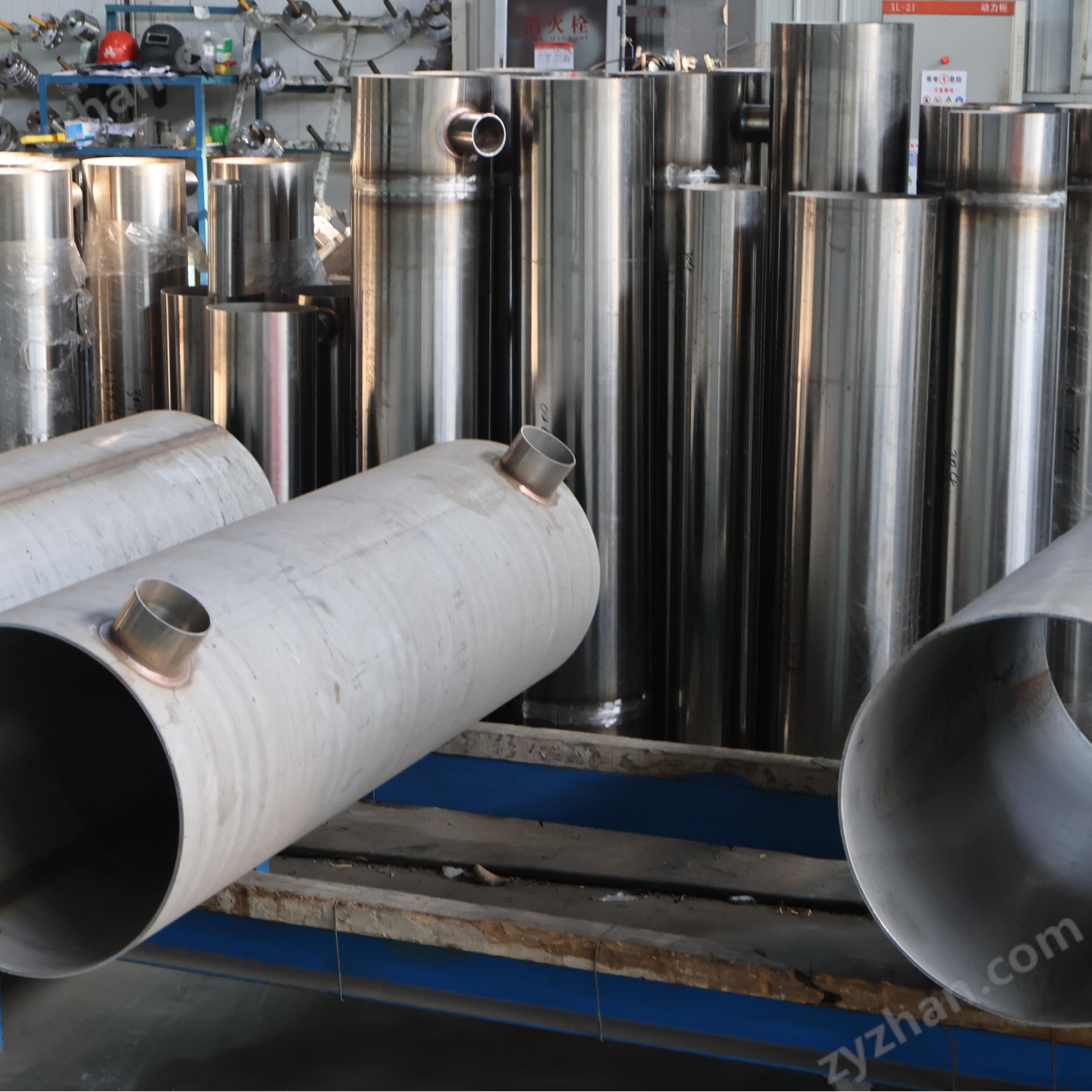
A coal to gas project: After adopting a silicon carbide condenser, the gasification process efficiency increased by 22%, and the equipment footprint in the low-temperature methanol washing section decreased by 40%. The equipment operates stably at a high temperature of 1350 ℃, avoiding the risk of thermal shock cracking and leakage, saving 12000 tons of steam annually, and reducing carbon dioxide emissions by over 10000 tons.
A pharmaceutical company's antibiotic fermentation process: The silicon carbide condenser achieves precise temperature control (fluctuation range ± 0.5 ℃), increasing product purity to 99.9% while avoiding metal ion precipitation pollution. By adjusting the spacing between plates in real-time, the concentration of antibiotic crystal particle size distribution was increased by 35%, the product yield was increased by 8%, and the subsequent separation cost was reduced by over 10 million yuan per year.
5、 Future outlook: Technological upgrading drives green transformation
The after-sales guarantee system of ammonia silicon carbide condenser is continuously upgrading in the following directions:
Material innovation: Research and development of graphene/silicon carbide composite materials, with thermal conductivity exceeding 300W/(m · K) and temperature resistance increased to 1500 ℃, suitable for supercritical CO ₂ power generation and other working conditions; The nano self-healing coating achieves lifelong maintenance free equipment life, improves dirt resistance by 50%, and reduces cleaning frequency and maintenance costs.
Structural optimization: Using 3D printed biomimetic tree like branching channels to reduce pressure drop by 20-30%; Spiral sleeve and plate heat exchanger combination design, balancing efficient heat transfer and compact layout; Develop miniaturized and integrated equipment to meet the compact space requirements of industries such as new energy and electronics.
Intelligent monitoring: Combining IoT technology, temperature, pressure, and corrosion sensors are installed on devices to achieve real-time monitoring and fault warning, promoting the transformation of condensers from "passive maintenance" to "predictive maintenance" and further reducing operation and maintenance costs.
Green transformation: Establish a full lifecycle carbon footprint tracking system to promote industrial carbon neutrality; Develop absorption refrigeration units that utilize waste heat to drive and reduce power grid load; Integrating solar preheating systems to promote the construction of "zero carbon factories".
The ammonia silicon carbide condenser has become a core equipment in the industrial heat exchange field due to its high temperature resistance, corrosion resistance, efficient heat transfer characteristics, and a complete after-sales service system. With the deep integration of materials science, manufacturing processes, and intelligent technology, its after-sales support system will continue to upgrade, providing core support for the high-quality development of industries such as chemical, energy, and environmental protection, and promoting the transformation of industry towards green, efficient, and sustainable directions.
Similar Product Recommend