-
E-mail
18660167086@163.com
-
Phone
18660167086
-
Address
South section of No. 3 Road, East Industrial New City, Pingyin County, Jinan City, Shandong Province, south of Dongcheng Street
Product Categories
Shandong Qinglei Environmental Technology Co., Ltd
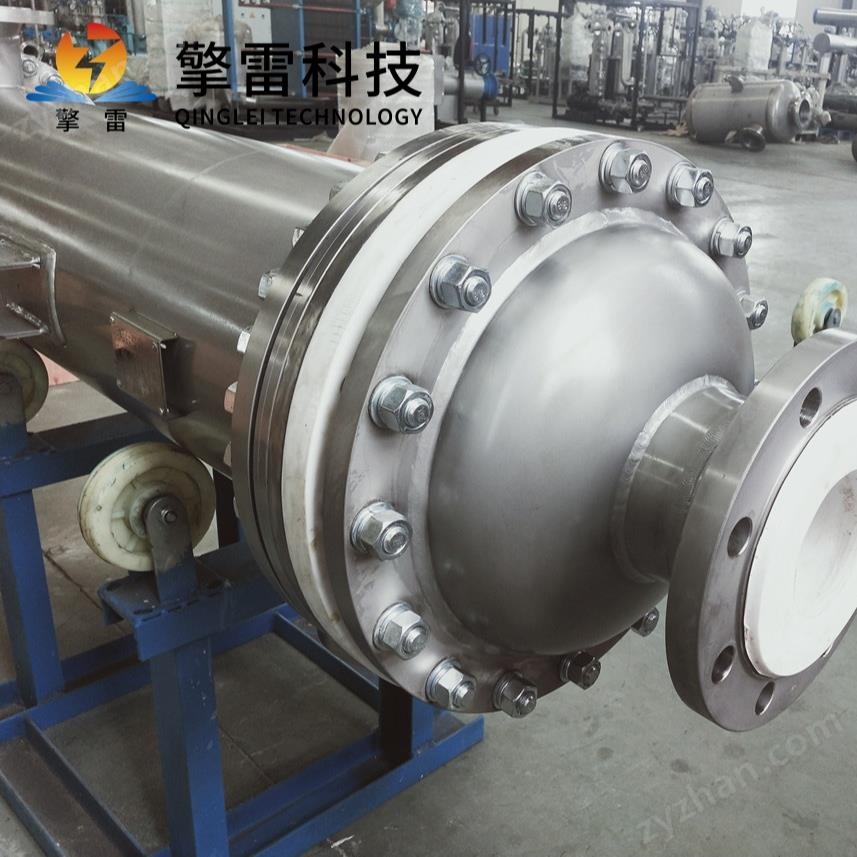
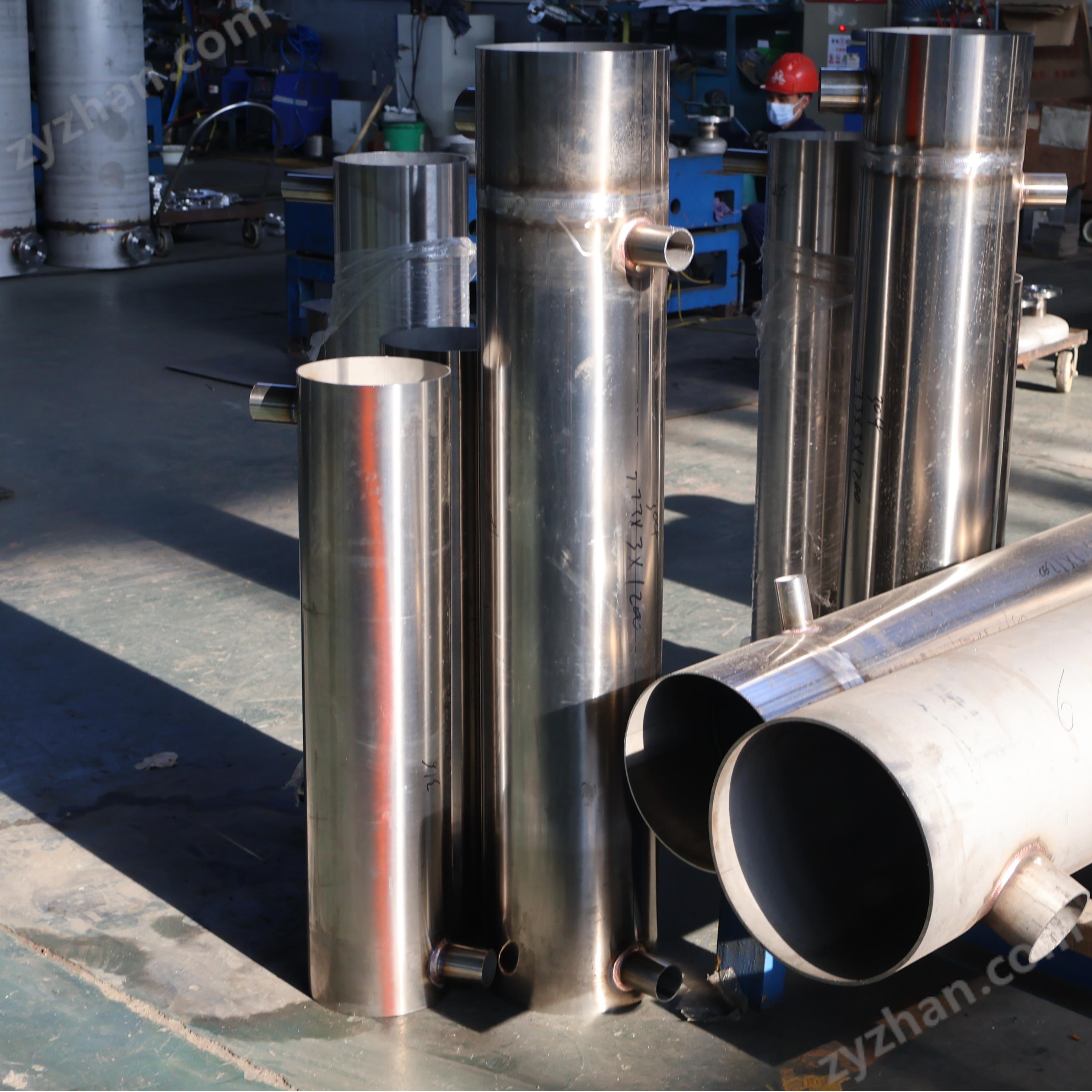
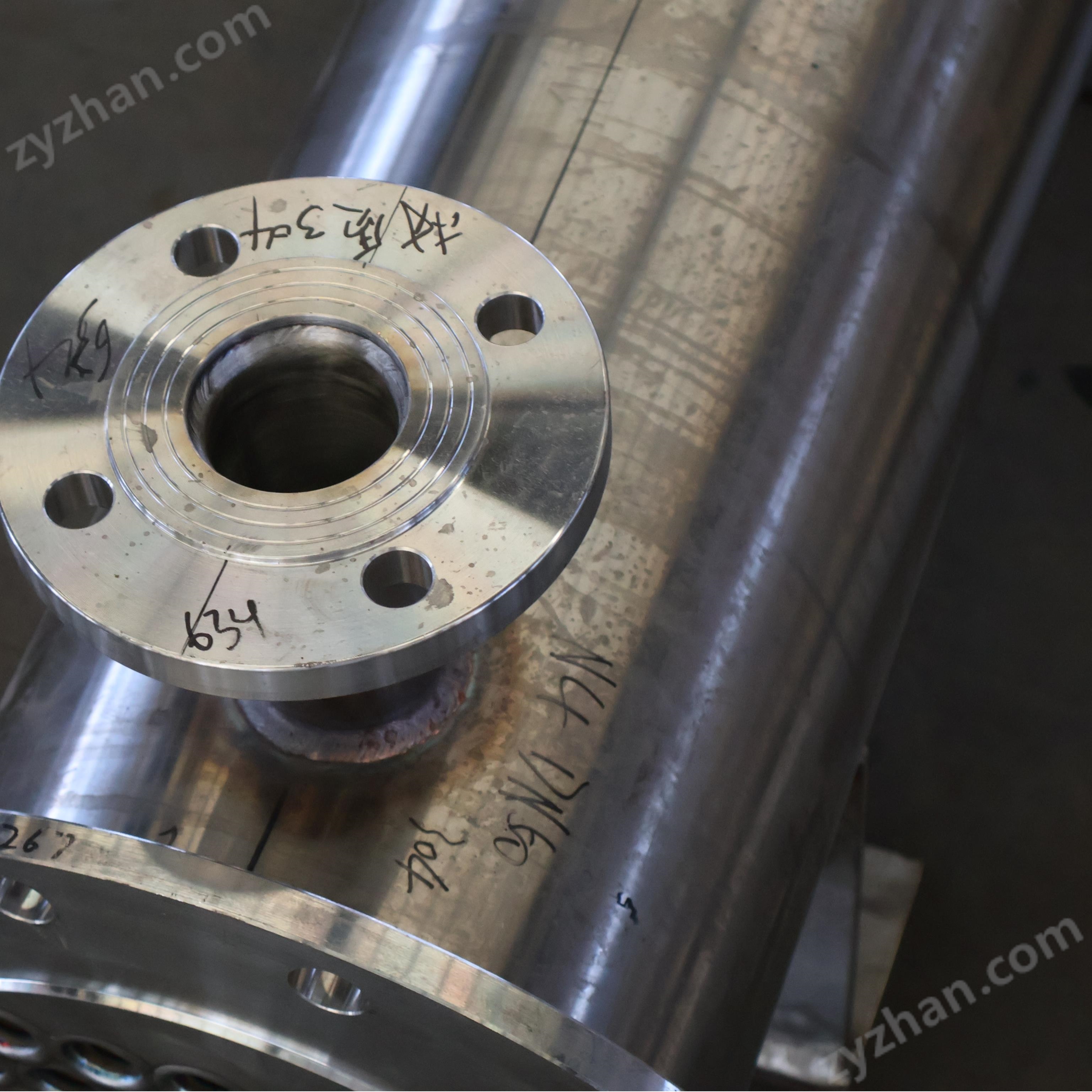
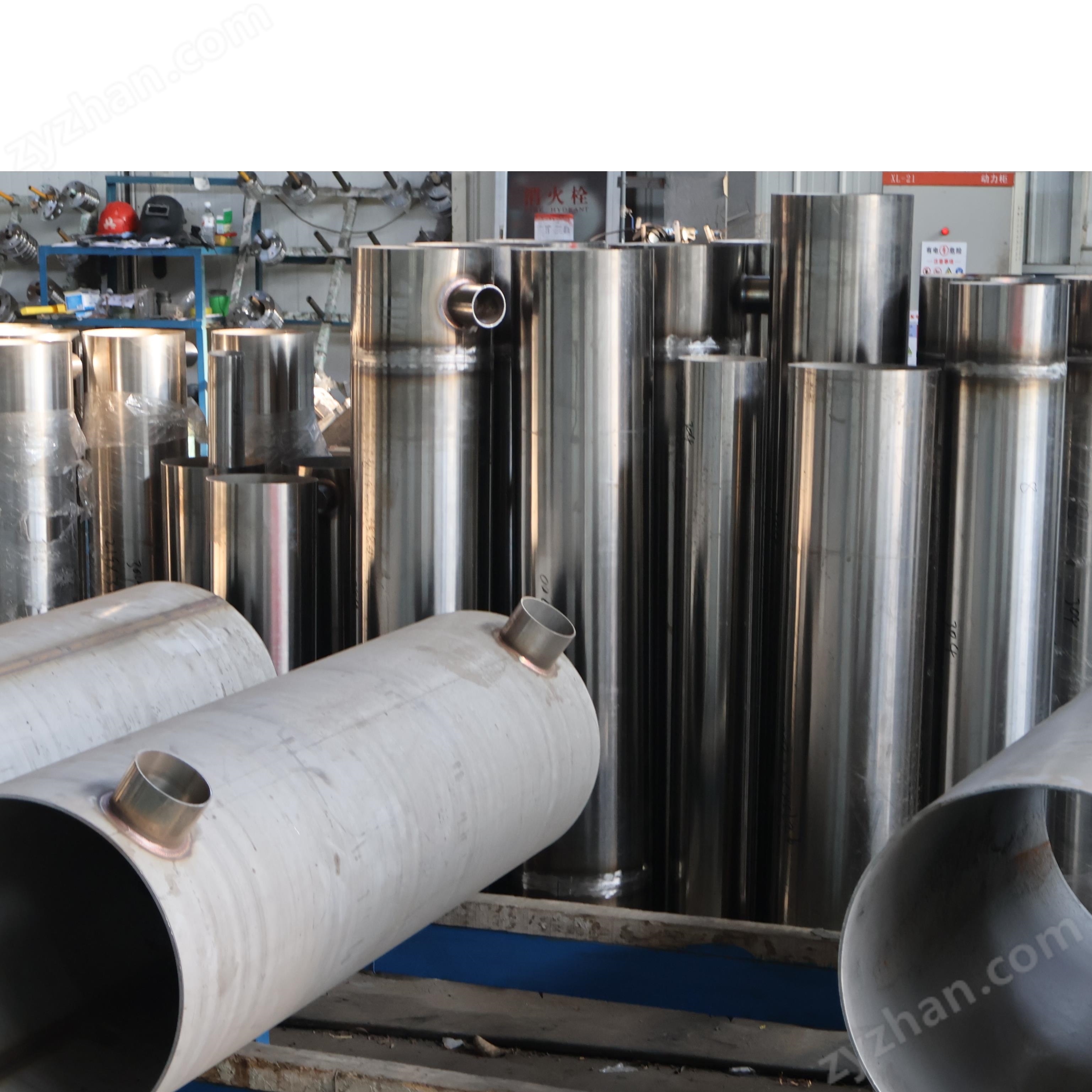

After sales service of methanol silicon carbide heat exchanger
NegotiableUpdate on 01/04
- Model
- Nature of the Manufacturer
- Producers
- Product Category
- Place of Origin
Overview
The methanol silicon carbide heat exchanger has built an intelligent monitoring system for the entire lifecycle by integrating IoT sensors, digital twin technology, and AI algorithms. Its core functions include real-time parameter monitoring, which can track more than 20 key parameters such as pipe wall temperature gradient, fluid flow rate, corrosion rate, methanol concentration, etc. The accuracy of fault warning exceeds 98%. After sales service of methanol silicon carbide heat exchanger
Product Details
After sales service of methanol silicon carbide heat exchanger
After sales service of methanol silicon carbide heat exchanger
1、 After sales guarantee system: intelligent monitoring and predictive maintenance
The methanol silicon carbide heat exchanger has built an intelligent monitoring system for the entire lifecycle by integrating IoT sensors, digital twin technology, and AI algorithms. Its core functions include:
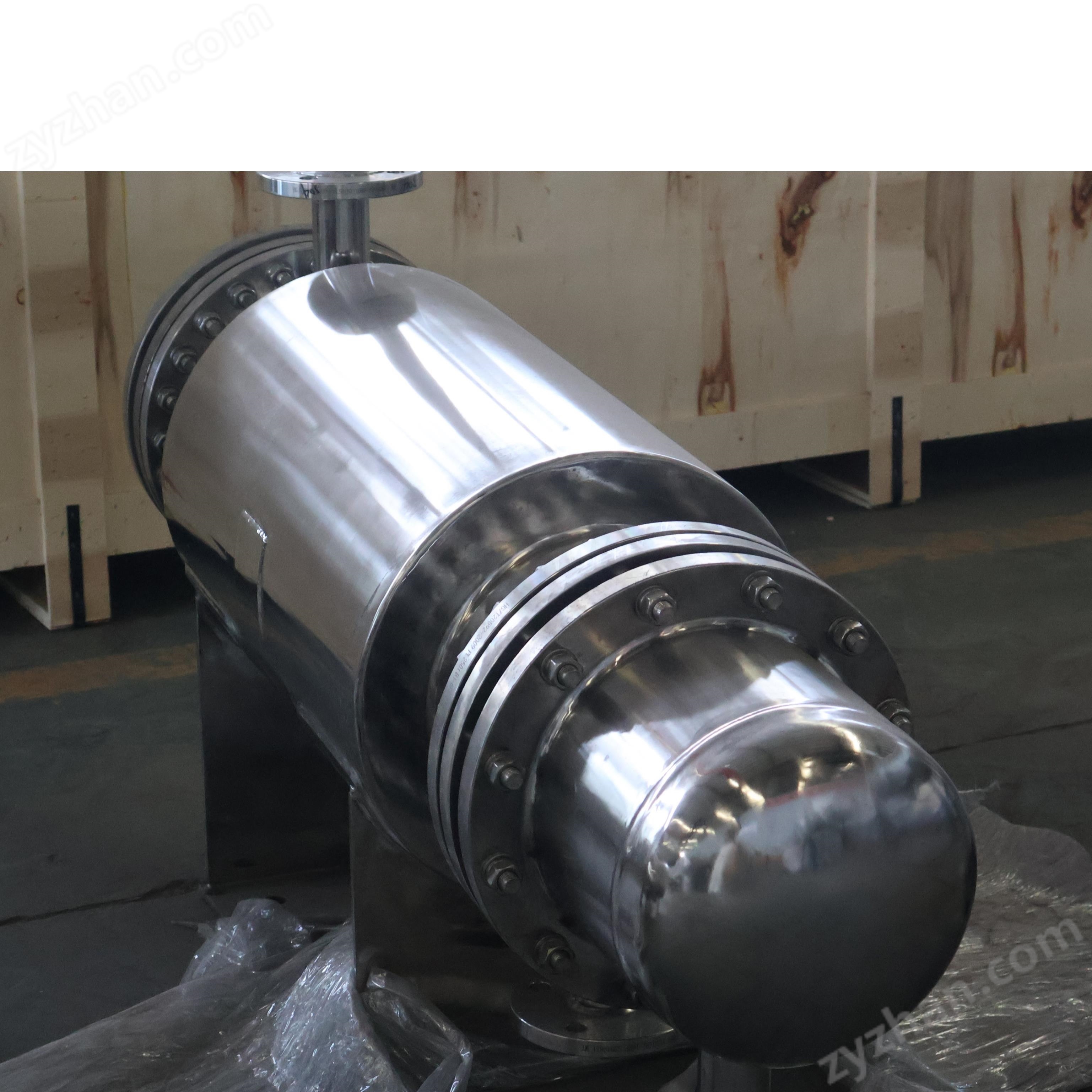
Real time parameter monitoring: can track more than 20 key parameters such as pipe wall temperature gradient, fluid flow rate, corrosion rate, methanol concentration, etc., with an accuracy rate of over 98% for fault warning. For example, a steel enterprise's homogenization furnace project detected abnormal tube bundle arrangement in advance through real-time monitoring, reducing scaling rate by 40% and achieving continuous operation for over 20000 hours without performance degradation.
Digital twin optimization: Build a three-dimensional thermal field corrosion model, simulate equipment operation status, optimize cleaning cycle and design parameters, and shorten the design cycle by 50%. A certain coal chemical project used this technology to predict the lifespan of the tube bundle, reducing unplanned downtime by 75% and saving over 10 million yuan in annual operation and maintenance costs.
AI adaptive regulation: The system dynamically adjusts the flow rate and turbulence intensity based on the medium concentration and temperature, resulting in a 15% increase in comprehensive energy efficiency and a 30% reduction in carbon emissions. For example, in the methanol distillation process, after optimizing fluid distribution using AI algorithms, the condensation efficiency reaches 98% and steam consumption is reduced by 25%.
2、 Modular design and rapid response mechanism
The equipment adopts a modular structure, supporting independent replacement of single tube bundles or tube boxes, reducing maintenance time by 70%. For example, in a certain catalytic cracking unit, the silicon carbide heat exchanger has been running continuously for 5 years without corrosion leakage, and its service life is 4 times longer than that of metal equipment. For common problems, the after-sales team provides standardized solutions:
Leakage treatment: Adopting blockage repair technology to quickly prevent medium leakage and analyze the causes of leakage (such as thermal stress and corrosion), and prevent recurrence by optimizing the arrangement of the tube bundle or upgrading the sealing material (such as double O-ring sealing).
Scaling management: Choose chemical cleaning (acidic/alkaline cleaning agents) or physical cleaning (high-pressure water jet) based on the type of scaling (such as inorganic salts, organic compounds), and optimize the cleaning cycle. A 100000 ton/year methanol plant has achieved an annual savings of 60% -80% in cleaning costs by adjusting its cleaning strategy.
Vibration control: By adjusting the position and quantity of anti vibration bars, the vibration frequency of the equipment can be changed to avoid resonance. For example, a company experienced excessive vibration due to fluid pulsation, and the after-sales team reduced the vibration intensity to a safe range by increasing the number of anti vibration bars.
3、 Full lifecycle cost advantage and energy efficiency benefits
Although the unit price of methanol silicon carbide heat exchanger is 30% higher than that of stainless steel equipment, its full life cycle cost advantage is significant:
Extended lifespan: The equipment has a lifespan of 15-20 years, which is more than three times that of stainless steel equipment (5-8 years). For example, after adopting silicon carbide heat exchangers in a coal chemical project, the total cost (including maintenance) over 20 years decreased by 40% compared to stainless steel equipment.
Energy efficiency improvement: A single device can save 2000 tons of steam per year, equivalent to 280 tons of standard coal, and reduce carbon emissions by 40%. In the methanol synthesis process, the recovery of 1500 ℃ synthesis gas waste heat generates high-pressure steam to drive turbine power generation, which improves system energy efficiency by 25% and reduces CO ₂ emissions by over 100000 tons annually.
Investment return: After adopting silicon carbide heat exchangers in a large-scale methanol production plant, the investment payback period is only 2.3 years, and the comprehensive return rate has increased by 18%. Through the cascade utilization of waste heat, a chemical industrial park has reduced CO ₂ emissions by over 80000 tons annually, meeting the requirements of the "dual carbon" target.
4、 Typical application scenarios and economic benefits
Methanol synthesis and distillation:
In the synthesis gas cooling section, the spiral wound silicon carbide heat exchanger cools the synthesis gas from 180 ℃ to 40 ℃, with a heat recovery efficiency of 90%. The equipment has been running continuously for 10 years without leakage, and the annual maintenance cost has been reduced by 80%.
In the condensation at the top of the distillation tower, the microchannel silicon carbide heat exchanger achieves precise temperature control of ± 1 ℃, producing methanol with a purity of>99.9%, meeting electronic grade standards, and saving over 5 million yuan in steam costs annually.
Methanol reforming for hydrogen production:
Resistant to high temperature steam corrosion, the equipment has a lifespan of over 20 years, with a hydrogen purity of 99.999% and an annual emission reduction of over 10000 tons of CO ₂. After the adoption of a certain hydrogen energy project, the energy consumption of the cooling system in the hydrogen refueling station has been reduced by 40%, and the refueling time has been shortened by 30%.
Waste gas and heat recovery:
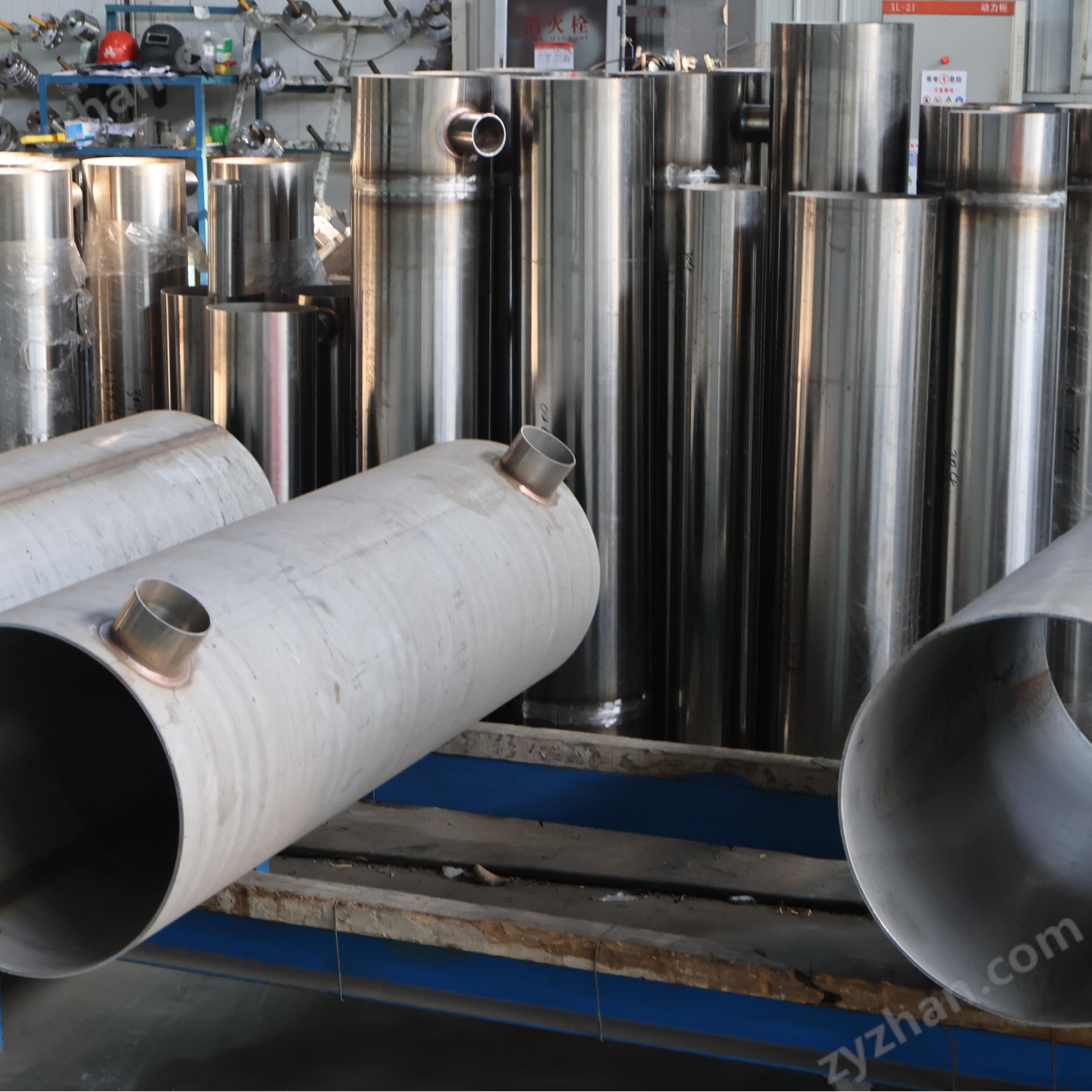
In waste incineration power plants, reducing the flue gas temperature from 120 ℃ to 50 ℃ can improve desulfurization efficiency by 15% and save over 10000 tons of steam annually. After adopting it, a certain factory reduced VOCs emissions by over 200 tons annually and obtained the "Green Factory" certification.
5、 Technological Innovation and Future Trends
Material upgrade: Research and development of silicon carbide graphene composite materials, with a thermal conductivity expected to exceed 300W/(m · K) and a temperature resistance increased to 1500 ℃, suitable for working conditions such as supercritical methanol.
Structural optimization: Develop new structures such as plate silicon carbide heat exchangers and microchannel heat exchangers to improve heat transfer efficiency and reduce equipment volume. The three-dimensional spiral flow channel design further improves heat transfer efficiency by 40% and reduces pressure drop by 20%.
Intelligent control: edge computing deployed AI chips to achieve localization decisions, with a response time of<100ms; blockchain technology established an energy trading platform to achieve point-to-point transactions of methanol production waste heat resources.
Industry standard setting: Promote the construction of industry standards for corrosion-resistant heat exchangers, standardize the design, testing, and certification processes, and promote global market access.
Similar Product Recommend