-
E-mail
18660167086@163.com
-
Phone
18660167086
-
Address
South section of No. 3 Road, East Industrial New City, Pingyin County, Jinan City, Shandong Province, south of Dongcheng Street
Product Categories
Shandong Qinglei Environmental Technology Co., Ltd
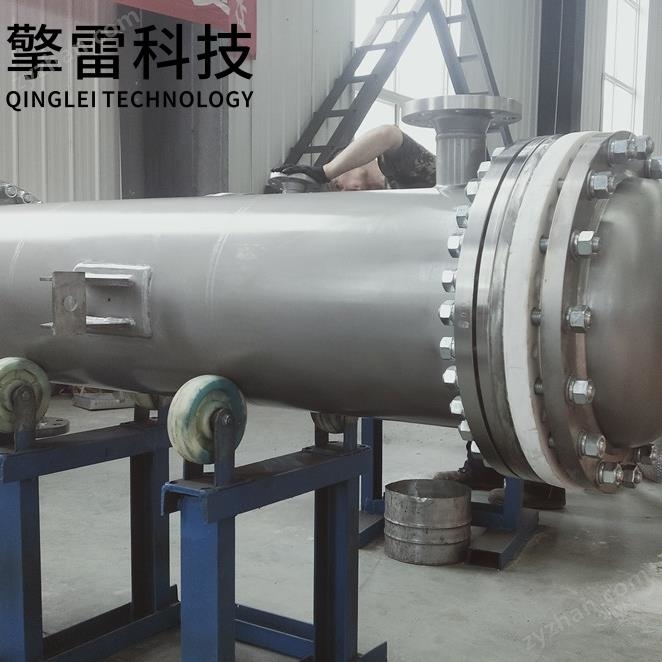
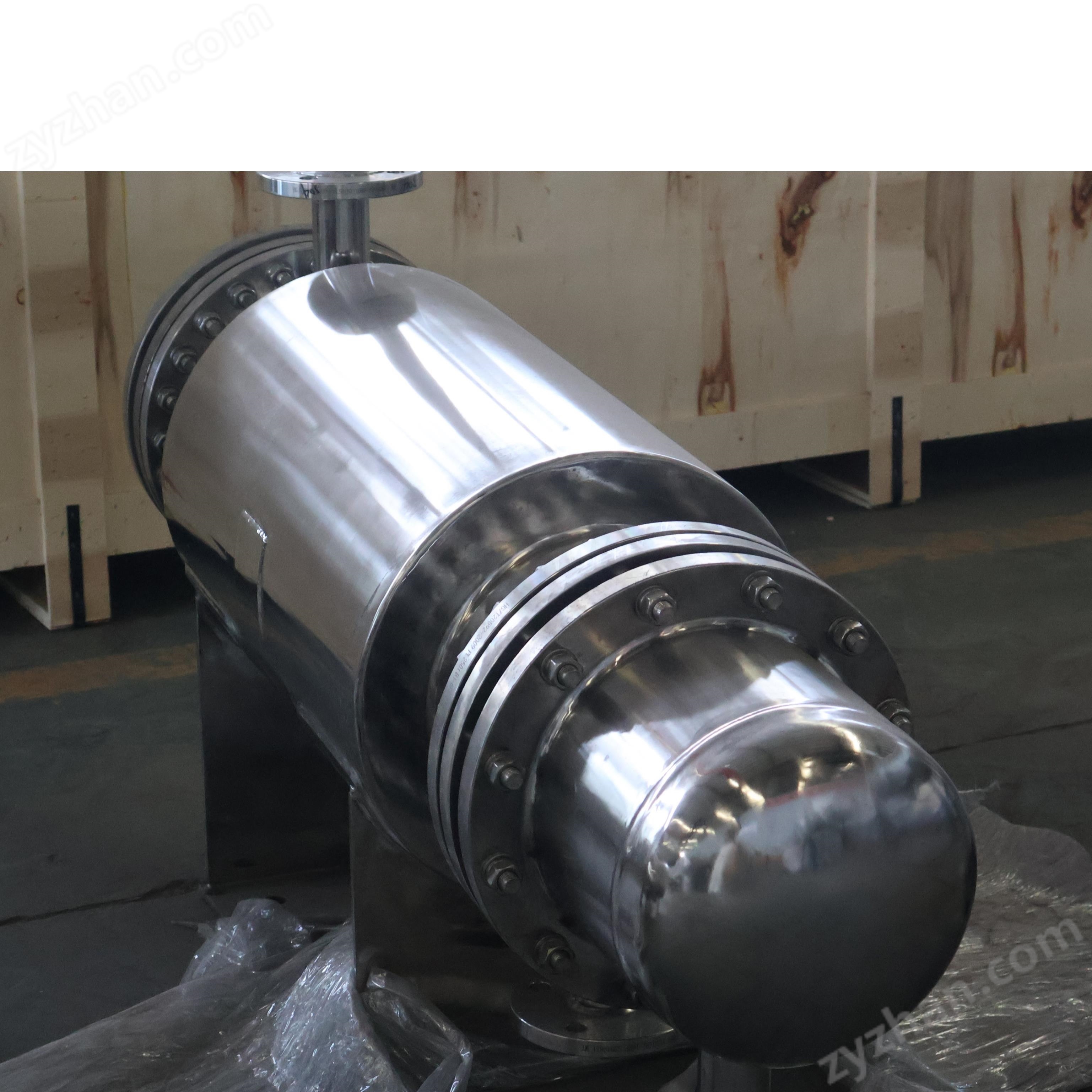
After sales service of propylene glycol silicon carbide heat exchanger
NegotiableUpdate on 01/04
- Model
- Nature of the Manufacturer
- Producers
- Product Category
- Place of Origin
Overview
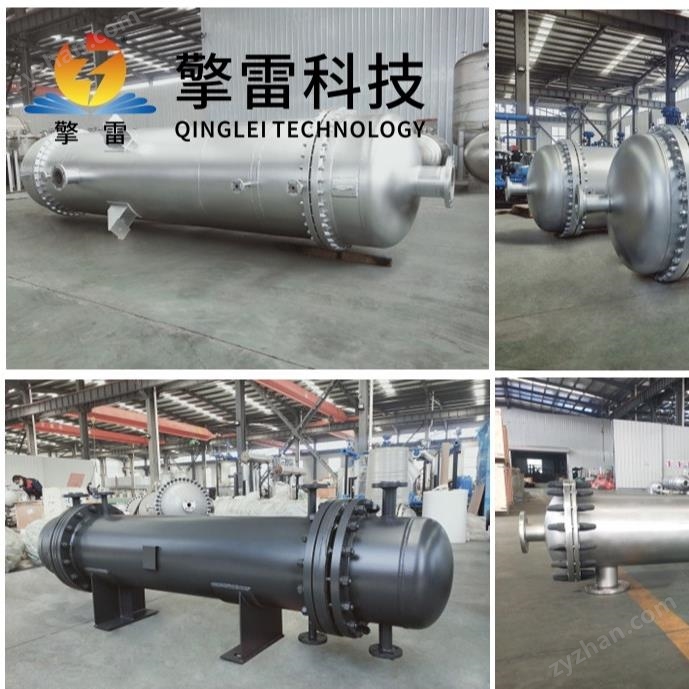
Propylene glycol silicon carbide heat exchanger after-sales service. The propylene glycol silicon carbide heat exchanger uses silicon carbide (SiC) as the core material, and its crystal structure gives the equipment three core advantages: high temperature resistance performance: the melting point of silicon carbide is as high as 2700 ℃, which can operate stably for a long time at a high temperature of 1600 ℃, and can withstand temperatures above 2000 ℃ for a short time. For example, in the waste heat recovery of coal chemical gasification furnaces, the equipment continuously withstands the impact of 1350 ℃ synthesis gas rapid cooling, with an operating cycle of over 8000 hours, avoiding the risk of crack leakage caused by thermal shock in traditional metal equipment.
Product Details
After sales service of propylene glycol silicon carbide heat exchanger
After sales service of propylene glycol silicon carbide heat exchanger
Material characteristics and structural design: laying the foundation for after-sales support
The propylene glycol silicon carbide heat exchanger uses silicon carbide (SiC) as the core material, and its crystal structure endows the equipment with three core advantages:
High temperature resistance: The melting point of silicon carbide is as high as 2700 ℃, and it can operate stably for a long time at a high temperature of 1600 ℃, and can withstand temperatures above 2000 ℃ for a short time. For example, in the waste heat recovery of coal chemical gasification furnaces, the equipment continuously withstands the impact of 1350 ℃ synthesis gas rapid cooling, with an operating cycle of over 8000 hours, avoiding the risk of crack leakage caused by thermal shock in traditional metal equipment.
Corrosion resistance: It is chemically inert to strong corrosive media such as concentrated sulfuric acid and 60% sodium hydroxide, with an annual corrosion rate of less than 0.005mm. In the chlor alkali industry, after replacing titanium equipment, the equipment life has been extended from 5 years to more than 10 years, and the chlorine gas emissions in the ion membrane caustic soda unit have been reduced by 1200 tons per year.
High thermal conductivity: The thermal conductivity coefficient reaches 120-270W/(m · K), which is twice that of copper and five times that of stainless steel. Through laser engraving microchannel technology, the specific surface area can be increased to 500 ㎡/m ³, and the heat transfer coefficient can reach 3000-5000W/(㎡·℃). In MDI production, the condensation efficiency is increased by 40%, the steam consumption is reduced by 25%, and the thermal efficiency is increased by 30% -50% compared to traditional equipment.
In terms of structural design, the equipment adopts double tube plate sealing and gradient expansion joint technology:
Double tube plate sealing: ensures that the fluid leakage between the tube side and the shell side does not mix, supports high-pressure operation (standard type 0.1-0.6MPa, reinforced type 1.0MPa), and meets the harsh working conditions of industries such as chemical and pharmaceutical.
Gradient expansion joint: solves the problem of thermal expansion difference. When the temperature difference span reaches 500 ℃, the deformation is less than 0.01mm/year, avoiding equipment cracking caused by thermal stress.
2、 After sales service system: intelligent and full cycle coverage
Intelligent monitoring and predictive maintenance:
The device integrates IoT sensors and AI algorithms to monitor 16 key parameters in real-time, including pipe wall temperature gradient, fluid flow rate, corrosion rate, etc. The accuracy of fault warning exceeds 98%. For example, a certain chemical enterprise predicted the lifespan of the pipeline through a digital twin model, arranged maintenance plans in advance, reduced unplanned downtime by 75%, and saved over one million yuan in annual operation and maintenance costs.
Edge computing deploys AI chips to realize localization decisions, and the response time is less than 100ms to ensure the stable operation of equipment under complex working conditions.
Modular design and rapid response:
The equipment adopts a modular structure, supporting independent replacement of single tube bundles or tube boxes, reducing downtime. For example, in the sterilization process of a certain dairy product, the cleaning cycle has been extended from once every quarter to once every six months, reducing annual maintenance costs by 40%.
The after-sales team shall establish a 4-hour response mechanism and, if necessary, go to the site within 48 hours to deal with common problems such as leakage, scaling, and vibration. To address the issue of scaling, chemical cleaning (acidic/alkaline cleaning agents) or physical cleaning (high-pressure water jet) should be selected based on the type of scale layer (such as inorganic salts, organic matter) to restore equipment heat transfer efficiency.
Full cycle technical support and training:

Our professional team provides full technical support from equipment selection, installation and debugging to operation and maintenance. Optimize the winding method and fluid distribution for different working conditions, such as high-temperature exhaust gas condensation and dilute nitric acid concentration, to improve heat transfer efficiency.
Provide operation and maintenance training for users to ensure they master the methods of equipment use and maintenance. For example, a pharmaceutical company has improved the microbial limit qualification rate of its products to 99.9% and the wastewater treatment efficiency by 30% through a double tube sterile design+SIP/CIP online sterilization system.
3、 Application Cases and Economic Benefits: Empirical Analysis of After sales Value
Chemical industry:
Chlor alkali production: In the cooling process of 32% sodium hydroxide solution produced by electrolyzing salt water, a silicon carbide heat exchanger reduces the solution temperature to below 50 ℃, solving the problem of corrosion and leakage of metal equipment and reducing annual maintenance costs by 80%.
Phosphoric acid concentration: can withstand high temperatures of 1200 ℃, reduce annual replacement costs by 60%, and increase single furnace production capacity by 20%.
Energy sector:
Waste heat utilization of blast furnace gas: Reduce the gas temperature from 1000 ℃ to below 200 ℃, recover heat to preheat the combustion air, reduce the fuel ratio of the blast furnace by 5%, and reduce energy consumption per ton of steel by 12%.
Waste incineration tail gas treatment: replaces metal GGH, solves corrosion and leakage problems, extends equipment life by 6 times, and improves waste heat recovery efficiency by 10%.
Pharmaceutical and Food:
Antibiotic fermentation: replaces 316L stainless steel equipment, avoids iron ion pollution, achieves product purity of 99.9%, and increases production capacity by 15%.
Sterilization of dairy products: The thermal efficiency is increased by 20% compared to traditional stainless steel equipment, and energy consumption is reduced by 15%, which meets the requirements of the HACCP system.
4、 Future trend: Technology iteration drives after-sales upgrade
Material Innovation: Research and development of graphene/silicon carbide composite materials, with a thermal conductivity expected to exceed 300W/(m · K) and a temperature resistance increased to 1500 ℃, suitable for working conditions such as supercritical CO ₂ power generation; Nano coating technology achieves self-healing function, extending equipment lifespan to over 30 years.
Structural optimization: Using 3D printing technology to achieve near net shape, reducing customization costs by 30% and shortening manufacturing cycles by 50%; The three-dimensional spiral flow channel design further improves heat transfer efficiency by 30% and reduces pressure drop by 15%.
Intelligent integration: Digital twins and AI algorithms automatically optimize fluid distribution through real-time monitoring of temperature differences, resulting in a 12% increase in overall energy efficiency; Establish a titanium alloy waste recycling system to achieve closed-loop material utilization and reduce production costs by 20%.
Similar Product Recommend