-
Phone
13911644071
-
Address
6G, Yaoyan Building, Jiulong Mountain Villa, Xihongmen, Daxing District, Beijing
Product Categories
AGC Instruments Ireland Limited Beijing Representative Office

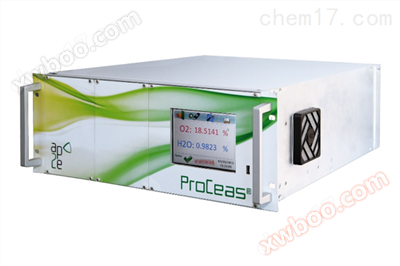
DUMAT MA-2000 trace water analyzer for phosgene in Germany
NegotiableUpdate on 04/01
- Model
- Nature of the Manufacturer
- Producers
- Product Category
- Place of Origin
Overview
Description: The German DUMAT MA-2000 trace water analyzer for phosgene uses the principle of pentoxide, with the gas contact part made of Hastelloy alloy and the sensor made of Monel alloy. It is corrosion-resistant and the electrode uses a metal rhodium electrode, which has high sensitivity and strong corrosion resistance
Product Details
DUMAT MA-2000 trace water analyzer for phosgene in GermanyUsing the principle of phosphorus pentoxide, the gas contact part adopts Hastelloy alloy, the sensor adopts Monel alloy, * anti-corrosion, and the electrode adopts metal rhodium electrode, with high sensitivity and strong corrosion resistance
Working Principle:
phosgeneMicro water analyzerThe pentoxide phosphorus sensor utilizes the principle of electrolyzing water molecules into hydrogen and oxygen. This sensor consists of a glass cylinder and two parallel electrodes. The electrode material is selected according to the specific application, and a thin layer of phosphoric acid H3PO4 is coated between the two electrodes. The electrolysis current that occurs between the two electrodes decomposes the water in the acid into H2 and O2. The final product of this process is phosphorus pentoxide, which is a highly hygroscopic substance. Therefore, water is absorbed from the sample gas, and through continuous electrolysis, the water content of the sample gas should be balanced with the water content after electrolysis. The electrode current is proportional to the moisture content in the sample gas, and the signal is processed by the internal signal amplifier of the instrument before being displayed and the data is read out.
This principle is used to measure all gases. Including gases such as Cl2, HCl, H2S, H2SO4, HBr, SO2, SF6, CO2, phosgene, and all inert gases, except for a very small number of gases that react chemically with phosphoric acid.