-
E-mail
58703264@qq.com
-
Phone
18615208189
-
Address
1-301, Huixiang Garden, No. 288 Wuyingshan Middle Road, Huaiyin District, Jinan City, Shandong Province
Product Categories
Jinan Zhuyan Instrument Equipment Co., Ltd
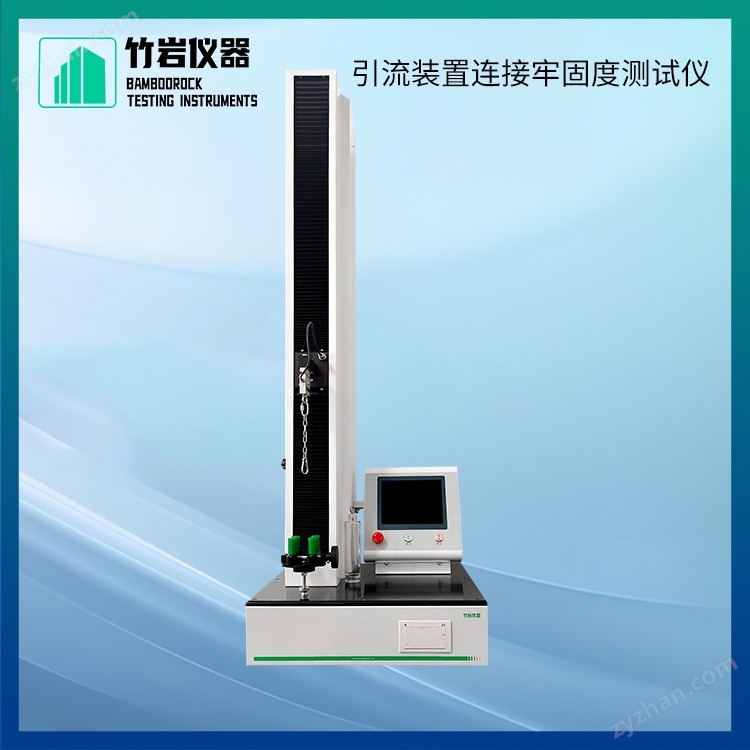
Drainage device connection firmness tester
NegotiableUpdate on 01/05
- Model
- Nature of the Manufacturer
- Producers
- Product Category
- Place of Origin
Overview
The drainage device connection firmness tester is a specialized equipment used to evaluate the mechanical performance of various connection parts (such as catheters, connectors, drainage bags, etc.) of medical drainage devices, aiming to ensure that they can withstand external forces without falling off, leaking, or breaking during clinical use.
Product Details
Drainage device connection firmness tester
The drainage device connection firmness tester is a specialized equipment used to evaluate the mechanical performance of various connection parts (such as catheters, connectors, drainage bags, etc.) of medical drainage devices, aiming to ensure that they can withstand external forces without falling off, leaking, or breaking during clinical use. The following is a detailed description of the device:
1. Equipment composition
mechanical structure
Fixture systemAdjustable fixtures are used to fix different components of the drainage device (such as the ends of the catheter, connectors, and drainage bag interfaces), adapting to various specifications and shapes.
power systemElectric motors or pneumatic devices provide controllable tension, torque, or pressure, simulating the actual force situation in use.
sensorHigh precision force sensors, torque sensors, or pressure sensors that monitor the applied force values in real-time and transmit data.
Control and Display Unit
operating interfaceTouch screen or physical buttons, used to set test parameters such as tension speed, holding time, and number of cycles.
data acquisition systemRecord the force time curve, peak force, displacement and other data during the testing process, and support data storage and export (such as USB, Bluetooth).
Security protection mechanism
Overload automatic stop, emergency brake button, protective cover, etc. ensure safe operation.
2. Testing principle
tensile testApply increasing tension along the axis of the catheter until the connection falls off, and record the maximum tensile strength.
Static retention testApply a constant tension (such as 1.5 times the clinically recommended value) and maintain it for a set time to detect any displacement or leakage.
Dynamic cyclic testingSimulate repeated pulling during patient activity, perform hundreds to thousands of cycles, and evaluate the fatigue life of the connection.
stress testInject liquid or gas into the guide tube and apply pressure to test the sealing and pressure resistance of the joint.
3. Key parameters
Range of force valuesUsually covering 0-200N (customized according to clinical needs).
test speedAdjustable range (e.g. 1-500 mm/min).
test modeSupport the static, dynamic, burst pressure and other testing processes specified in ISO/ASTM standards.
precisionForce measurement error ≤ ± 1%, displacement resolution ≤ 0.1mm.
compatibilitySuitable for drainage devices of various materials (silicone, PVC, etc.) and specifications.
4. Application scenarios
Medical device manufacturing enterprisesUsed for product development and factory quality inspection to ensure compliance with standards such as YY/T 1556 "Medical Drainage Tube Connectors".
Hospital Equipment DepartmentAcceptance of purchased drainage devices or regular testing of products in stock.
Third party testing agencyCompliance certification report provided.
5. 重要性
Patient SafetyTo prevent the risk of drainage fluid leakage, infection, or secondary surgery caused by poor connection.
quality controlQuantitatively evaluate product performance and assist in optimizing design (such as improving joint structure or materials).
complianceMeet the mandatory requirements of FDA, CE, or NMPA for the mechanical performance of medical devices.
Example testing process
Fix both ends of the drainage catheter to the fixture.
Set parameters: tensile speed of 50 mm/min, target force value of 50N, holding time of 30 seconds.
Start testing, the device automatically applies force and records data.
Generate a report displaying peak tension, displacement changes, and whether they have passed preset thresholds.
This device provides a key guarantee for the safety and reliability of medical drainage devices by scientifically quantifying the firmness of connections.


