-
E-mail
18660167086@163.com
-
Phone
18660167086
-
Address
South section of No. 3 Road, East Industrial New City, Pingyin County, Jinan City, Shandong Province, south of Dongcheng Street
Product Categories
Shandong Qinglei Environmental Technology Co., Ltd
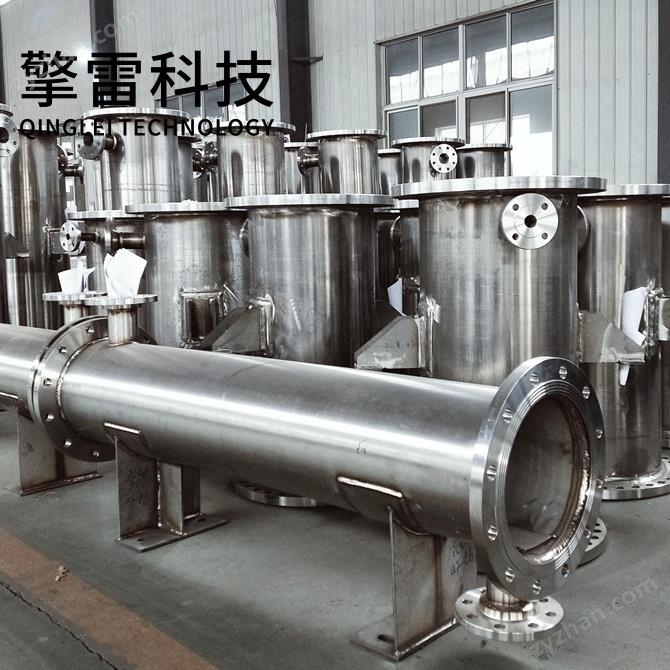
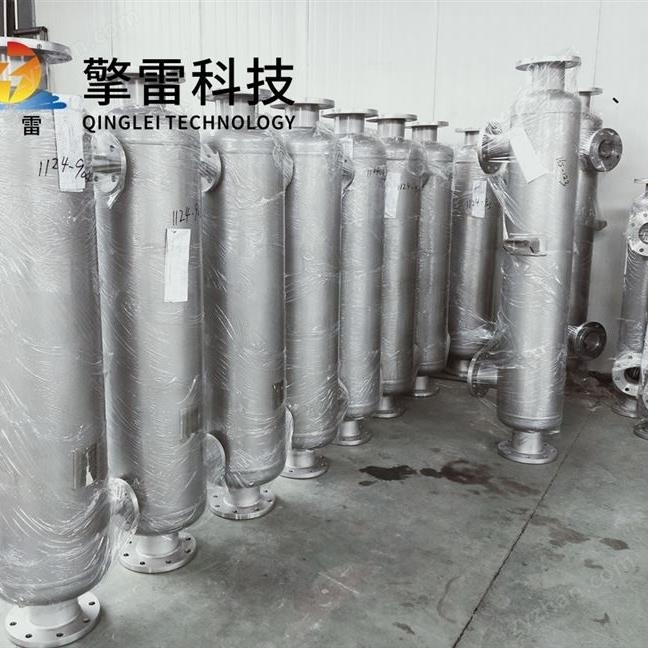
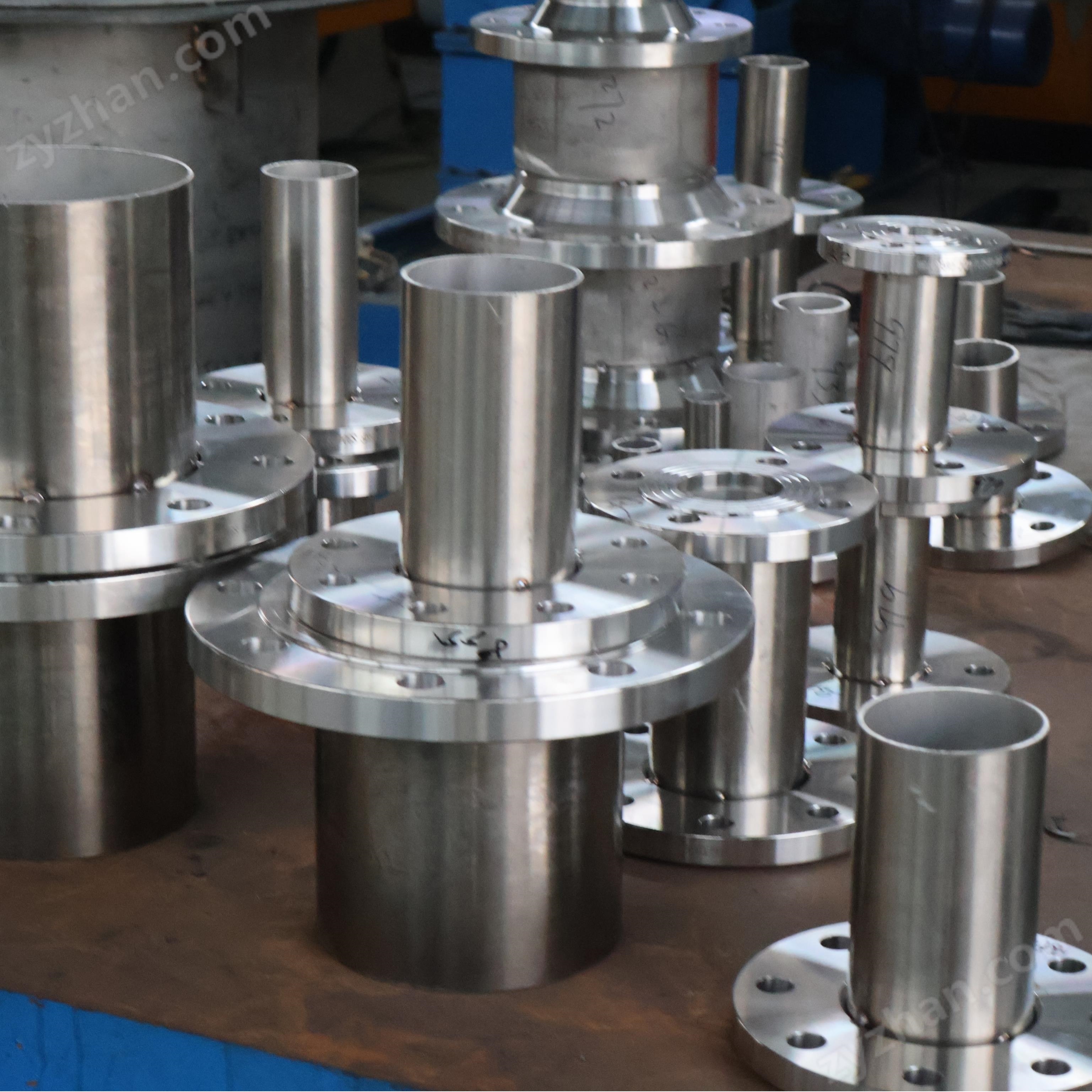

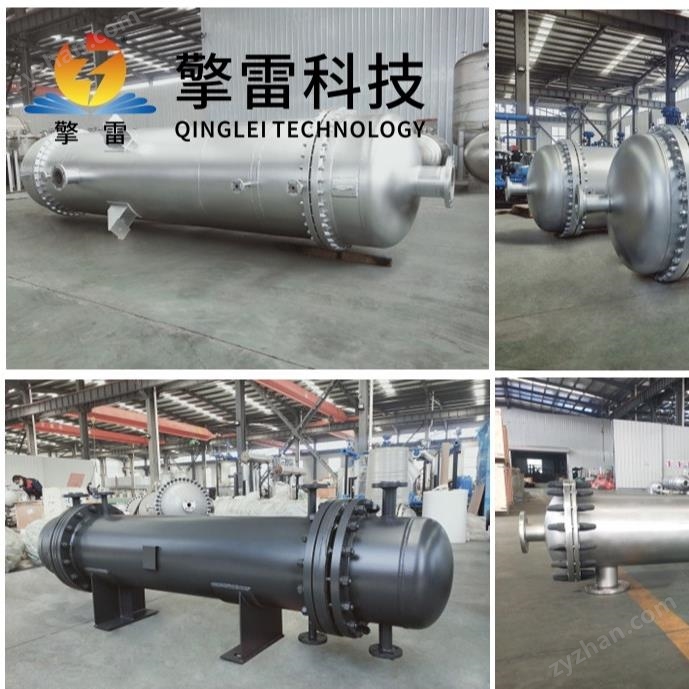
Gas recovery gas heat pipe heat exchanger
NegotiableUpdate on 01/04
- Model
- Nature of the Manufacturer
- Producers
- Product Category
- Place of Origin
Overview
The gas recovery gas heat pipe heat exchanger uses heat pipes as the core heat transfer element, and achieves efficient heat transfer through the phase change of internal working fluids (such as distilled water, ammonia, methanol, etc.). Its structure includes an evaporation section (heating section), an insulation section, and a condensation section (cooling section), with both ends sealed by end caps to form an independent circulation system. When the hot fluid flows through the evaporation section, the working fluid absorbs heat and vaporizes into steam. The steam flows towards the condensation section under the action of a slight pressure difference, condenses and releases heat when cooled, and the heat is transferred to the cold fluid through the pipe wall.
Product Details
Using heat pipes as the core heat transfer element, efficient heat transfer is achieved through the phase change of internal working fluids such as distilled water, ammonia, methanol, etc. Its structure includes an evaporation section (heating section), an insulation section, and a condensation section (cooling section), with both ends sealed by end caps to form an independent circulation system. When the hot fluid flows through the evaporation section, the working fluid absorbs heat and vaporizes into steam. The steam flows towards the condensation section under the action of a slight pressure difference, condenses and releases heat when cooled, and the heat is transferred to the cold fluid through the pipe wall. The condensed liquid flows back to the evaporation section by gravity or capillary force, completing the cycle. This process has a thermal conductivity speed close to the speed of sound, a heat transfer efficiency several times that of traditional metal materials, and good isothermal properties, ensuring stable and efficient heat transfer.
Technological breakthrough points:
Spiral winding tube bundle design: Adopting a 30 ° -45 ° spiral angle reverse winding tube bundle to form a three-dimensional turbulent channel, enhancing fluid centrifugal force and secondary circulation, the heat transfer coefficient reaches 14000-18000W/(m ² ·℃), which is 40% -60% higher than traditional straight pipes. In high-pressure steam condensation conditions, the spiral channel reduces the thickness of the liquid film, increases latent heat transfer efficiency by 25%, and reduces scaling rate by 70%.
Double tube plate sealing system: Through a three tube plate structure (inlet tube plate, middle tube plate, outlet tube plate) combined with welding sealing or expansion technology, the pressure resistance can reach over 30MPa, meeting international safety standards such as ASME and PED, effectively preventing high-pressure medium leakage.
Optimization of counterflow heat recovery: Pure counterflow flow design for cold and hot fluids, with a temperature difference of only 3-5 ℃ at the end face, and a heat recovery efficiency of over 95%. It achieves a 98% CO ₂ liquefaction efficiency under a pressure of 30MPa in a supercritical CO ₂ power generation system, reducing CO ₂ emissions by over 10000 tons annually.
2、 Industry application: Multi scenario coverage, energy-saving
Chemical industry: waste heat recovery to reduce costs and increase efficiency
Synthetic ammonia process: recovering high-temperature gas waste heat from the reaction to preheat the feed gas, reducing energy consumption by 10% -15%. A certain fertilizer plant uses coated heat pipe heat exchangers to recover ammonia condensation waste heat. The evaporation section directly contacts ammonia containing gas (concentration 50ppm) and operates for 2 years without corrosion, while traditional carbon steel heat exchangers only experience corrosion leakage after 6 months.
Ethylene cracking unit: Spiral winding tube bundle technology increases the condensation load of quench oil by 15%, reduces equipment volume by 30%, saves over 10000 tons of fuel annually, improves heat recovery efficiency by 30%, and meets the corrosion resistance requirements of high-pressure conditions.
Power industry: gas power generation tail gas waste heat recovery
The exhaust gas temperature of gas power generation can reach over 500 ℃, and the waste heat can be recovered through heat pipe heat exchangers to heat water and generate steam for residential heating or industrial heat sources. After the installation of a 500KW generator set, it can generate nearly 4 tons of hot water above 90 ℃ per hour, solving the heating problem of buildings with an area of over 4000m ², and generating an annual carbon income of 2.48 million yuan (calculated at a carbon trading price of 80 yuan/ton).
Steel industry: Recovery of waste heat from blast furnace gas
The blast furnace gas is preheated through a heat pipe heat exchanger and sent into the blast furnace, reducing the fuel ratio by 5% -10% and saving tens of millions of yuan in annual costs. After being applied in a certain steel plant, the blast furnace production increased and the quality of molten iron significantly improved.
Building materials industry: utilization of waste heat from cement production
Recovering the waste heat from the flue gas at the kiln tail to preheat the combustion air increases the thermal efficiency by 5% -10% while reducing nitrogen oxide emissions. A certain cement plant has reduced carbon dioxide emissions by over a thousand tons annually after its application.
3、 Material Innovation: Dual Breakthrough in Corrosion Resistance and High Temperature Resistance
Multi level innovation has been achieved in equipment materials for corrosive media such as hydrogen sulfide (H ₂ S), carbon dioxide (CO ₂), and water vapor commonly found in gas
Silicon carbide (SiC) heat pipe: resistant to high temperatures (>1000 ℃), corrosion-resistant, with a thermal conductivity of up to 120-200W/(m · K), suitable for strong corrosive environments, with a lifespan of over 10 years.
Titanium alloy heat pipe: such as Ti-6Al-4V, resistant to chloride ion and sulfide corrosion, suitable for gas containing chloride ions, with long service life and low maintenance cost.
Structural optimization: By adjusting the heat transfer area of the evaporation and condensation sections, controlling the tube wall temperature and avoiding corrosive areas; Expand the heating surface or use special surface treatment techniques to reduce wear and dust blockage.
Coating technology: Graphene coating reduces the surface energy of the tube bundle to 0.02mN/m, reduces scaling by 70%, and extends the cleaning cycle to once per quarter.
4、 Economic Analysis: Whole Life Cycle Cost Optimization
Although the initial investment is 15% -20% higher than that of plate heat exchangers, optimizing the life cycle cost (LCC) results in annual savings of over one million yuan in operating costs
Energy conservation and consumption reduction: After being applied by a certain enterprise, a single device can save 12000 tons of steam annually, corresponding to a reduction of 31000 tons of carbon dioxide emissions. Calculated at a carbon trading price of 80 yuan/ton, the annual carbon income reaches 2.48 million yuan.
Low maintenance cost: The self-cleaning function reduces dirt deposition, extends the cleaning cycle to 24 months to 5 years, and reduces maintenance costs by 60% to 80%.
Policy dividend: China's "Industrial Energy Efficiency Improvement Plan" clearly promotes new corrosion-resistant heat exchange equipment, combined with "dual carbon" policy subsidies, resulting in a total cost savings of over 10 million yuan for a certain chemical enterprise over a 10-year lifecycle.
5、 Future Trends: Intelligent and Green Upgrades
Material innovation: Research and development of silicon carbide graphene composite materials, with a thermal conductivity exceeding 300W/(m · K) and a temperature resistance increased to 1500 ℃, suitable for working conditions such as supercritical CO ₂ power generation.
Manufacturing process breakthrough: 3D printing flow channel design increases the specific surface area to 500 ㎡/m ³, and the heat transfer coefficient exceeds 12000W/(m ² ·℃); The closed-loop recycling process achieves a utilization rate of 95% for titanium materials and reduces carbon emissions by 30% for a single device.
Intelligent upgrade: The digital twin system monitors 16 key parameters such as wall temperature gradient and fluid flow rate in real-time, with an accuracy rate of over 98% for predicting remaining life; Adaptive regulation technology automatically optimizes fluid distribution based on temperature gradient, resulting in a 12% increase in overall energy efficiency.
Green technology path: Develop supercritical fluid treatment technology to achieve 98% CO ₂ liquefaction efficiency under 30MPa pressure in supercritical CO ₂ power generation systems, reducing CO ₂ emissions by over 10000 tons annually; Expanding into the field of hydrogen energy storage and transportation, hydrogen resistant titanium alloy tube bundles ensure the safety of hydrogen purification.
Gas recovery gas heat pipe heat exchanger
Gas recovery gas heat pipe heat exchanger
Similar Product Recommend