- Phone
-
Address
Room 202, Science and Technology Complex Building, No. 12 Zhongguancun South Street, Haidian District, Beijing
Product Categories
Beijing Meijiatu Technology Co., Ltd
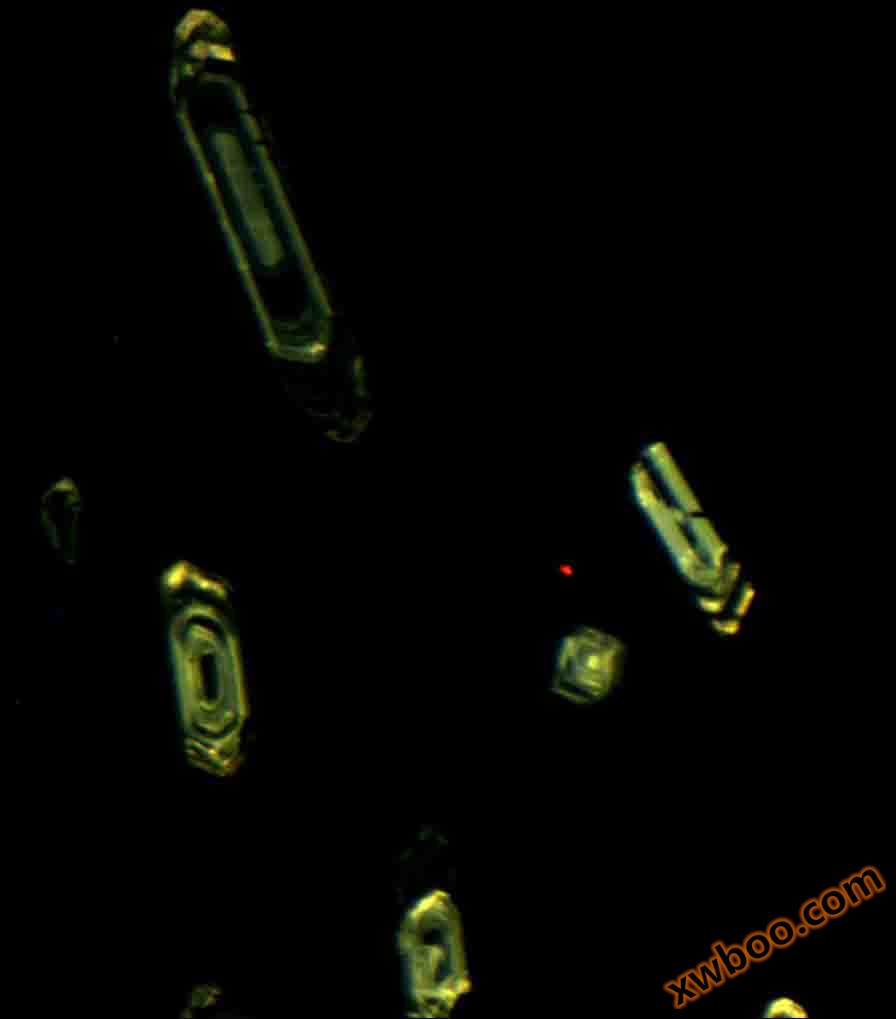
RELIOTRON brand RELIONIIICL cathodoluminescence analyzer
NegotiableUpdate on 03/24
- Model
- Nature of the Manufacturer
- Producers
- Product Category
- Place of Origin
Overview
RELIOTRON brand RELIONIIICL cathodoluminescence analyzer
Product Details
RELION INDUSTRIES, USA, The RELIOTRON brand RELION III CL cathodoluminescence analyzer produced by RELIOTRON is a new product designed and researched by geological experts. Its product design has achieved good stability control in beam high voltage, beam current, and vacuum degree during operation. It also has outstanding features in other aspects, such as reducing working distance, changing XY coordinates simultaneously, and using both hands to move samples simultaneously; Continuously continue the cold cathode horizontal electron beam output technology to ensure the observation of cathodoluminescence in low-temperature minerals (such as inclusions) and crystals; The product development also considered cutting off the beam voltage when replacing samples, saving sample replacement time. RELION INDUSTRIES has designed multiple sample carriers for observing different samples; To reduce the working distance, a Reentrant Window observation window has been designed for users with different usage needs. In the vast majority of application fields, cathodoluminescence analyzers only require a small amount of samples, and there is no need for pre-treatment such as coating on the samples before testing, and the measurement process will not cause any damage to the samples.
Technical Features of USA RELION III CL
High vacuum technology and fully constructed material design ensure vacuum degree and safe use. Typically, it can quickly reach the required vacuum degree of 60 milliTorr within 1 minute, and can quickly replace samples. Generally, the maximum beam current of the instrument is set at the rated 1.5mA, and the highest electron beam pressure can reach a high voltage of 30KV. Horizontal excitation of cold cathode electron beam, changing the direction of the electron beam through a magnet to illuminate the test sample; As is well known, in physics, magnets only convert the direction of electron beams and do not result in energy loss. This way of working is a very effective condition for achieving a cold cathode, which can obtain the best field of view effect and effective high brightness images. And it can adjust the defocusing point and focus continuously, that is, adjust the electron beam current and beam pressure. At the same time, it realizes the convenient installation of the vacuum sample chamber device on the microscope stage, and can quickly replace the standard observation window and the Reentrant Window observation window prepared by the high magnification objective lens according to the magnification of the objective lens used and the use of different models of microscopes. Typical thin film samples can be used directly without further processing, and can be used with both thin and thick samples. The analysis attachment can also be extended to an EDX analyzer for semi quantitative analysis of samples, and can also be combined with a micro area sampler MICRODRILL SAMPLING for precise image positioning for accurate sampling. The left and right images below show photos of the same calcite sample under transmitted light and cathode light:
Note: The clear orange yellow color in the image on the right represents the part with high Mn content; The level of Mn content is directly displayed under cathodoluminescence.
Technical specifications for USA RELION III CL instrument
Power supply: 220V, 50-100Hz AC power supply
Usage environment: Temperature<30 ℃, humidity<60%
Vacuum sample chamber: with lead glass windows at the top and bottom, the bottom window is used for microscope transmission of light, and the upper window is used for observing cathodoluminescence. Equipped with precision vacuum control valve, vacuum composite tube, automatic exhaust valve, manual exhaust valve, and sample drawer; Indoor equipment includes granular sample racks, flat sample racks, tray supports, sealing rings, etc. that are easy to replace. The upper end of the vacuum chamber is equipped with a macroscopic observation window, with a minimum working distance of 8-9mm; Reentrant Window observation window, with a minimum working distance of 5-7mm, designed for use with high magnification lenses such as 50X.
Sample tray: Three standard sheets can be installed simultaneously. It can detect loose particles, chips, or block shaped samples without adjusting the sample tray;
Vacuum system: High performance vacuum pump with front plate door and defogger, both of which can be replaced with standard parts. The vacuum hose is equipped with two components to reduce vibration when transmitting to the vacuum chamber.
Vacuum degree: The maximum limit is 0.25 Pa, providing maximum protection for the sample.
Electron gun: The electron gun is a horizontal cold cathode electron beam type, with a maximum voltage of 30 KV, typically used for adjustment between 5 KV and 25 KV.
Cathode voltage: 0-30KV, overvoltage protection.
Best current: 0.15-1mA, continuously measurable, overcurrent protection. The maximum beam current can be increased to 5mA.
Focusing: It has the function of adjusting the scattered focus to the point focus, and the electron beam spot can be adjusted according to the applicable requirements of the sample.
Digital display: voltage, current, vacuum degree, automatic/manual operation mode and instrument status, high voltage on, electron gun output limit, etc.
Microscope requirements: Suitable for various types of microscopes, sufficient space must be reserved for the height of the vacuum chamber between the objective lens and the stage. Usually, long working distance objective lenses and focusing lenses can be used to meet spatial requirements.