-
E-mail
18660167086@163.com
-
Phone
18660167086
-
Address
South section of No. 3 Road, East Industrial New City, Pingyin County, Jinan City, Shandong Province, south of Dongcheng Street
Product Categories
Shandong Qinglei Environmental Technology Co., Ltd

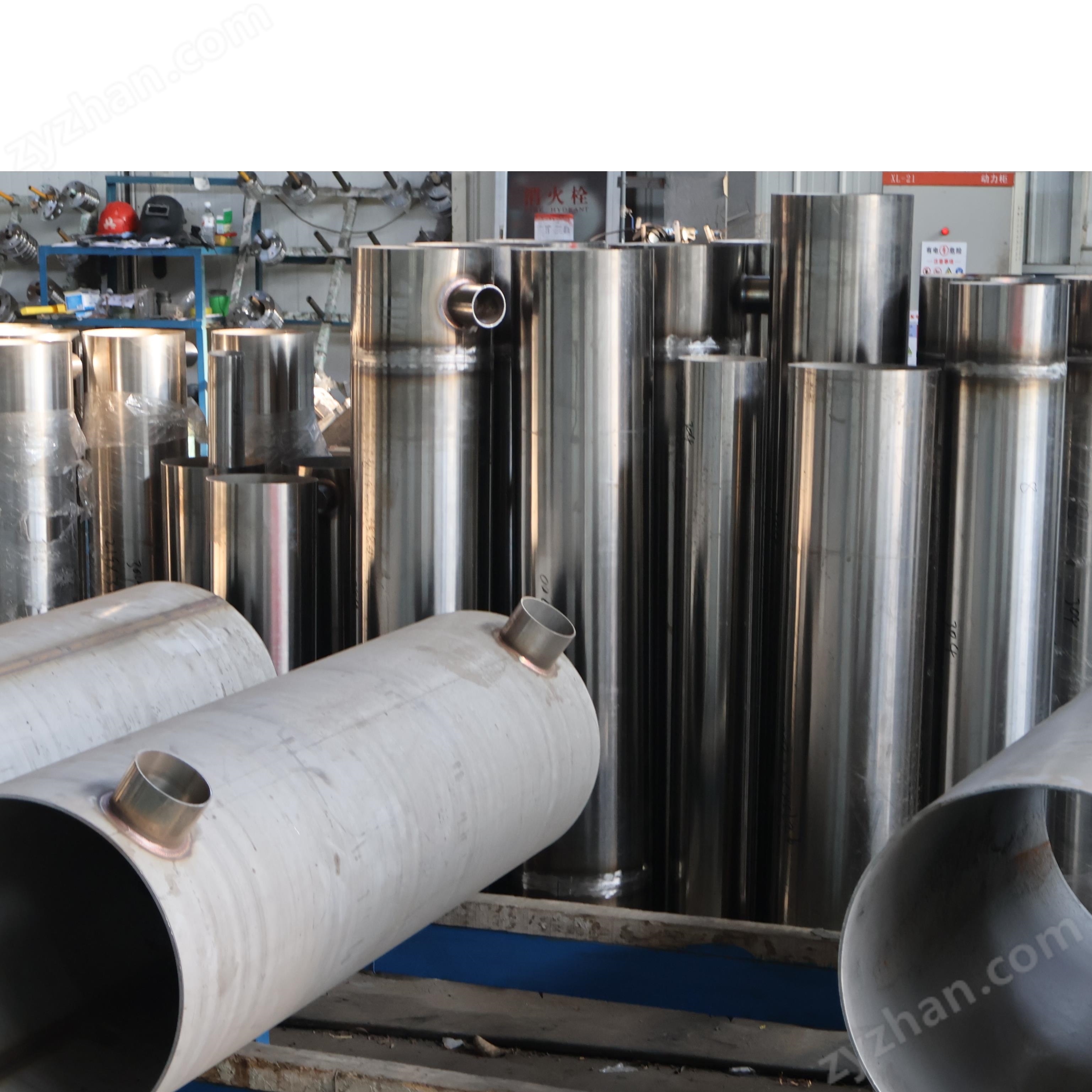
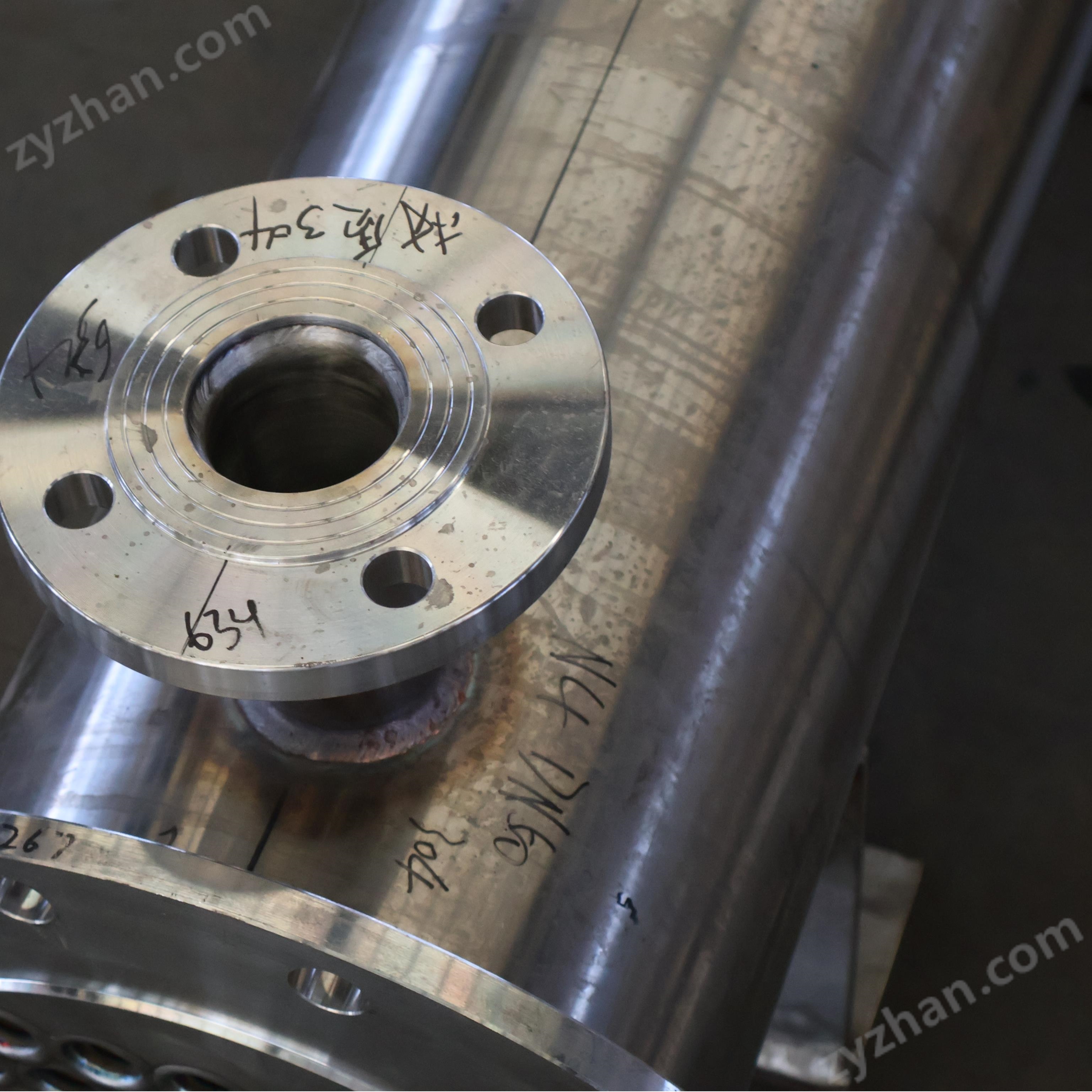
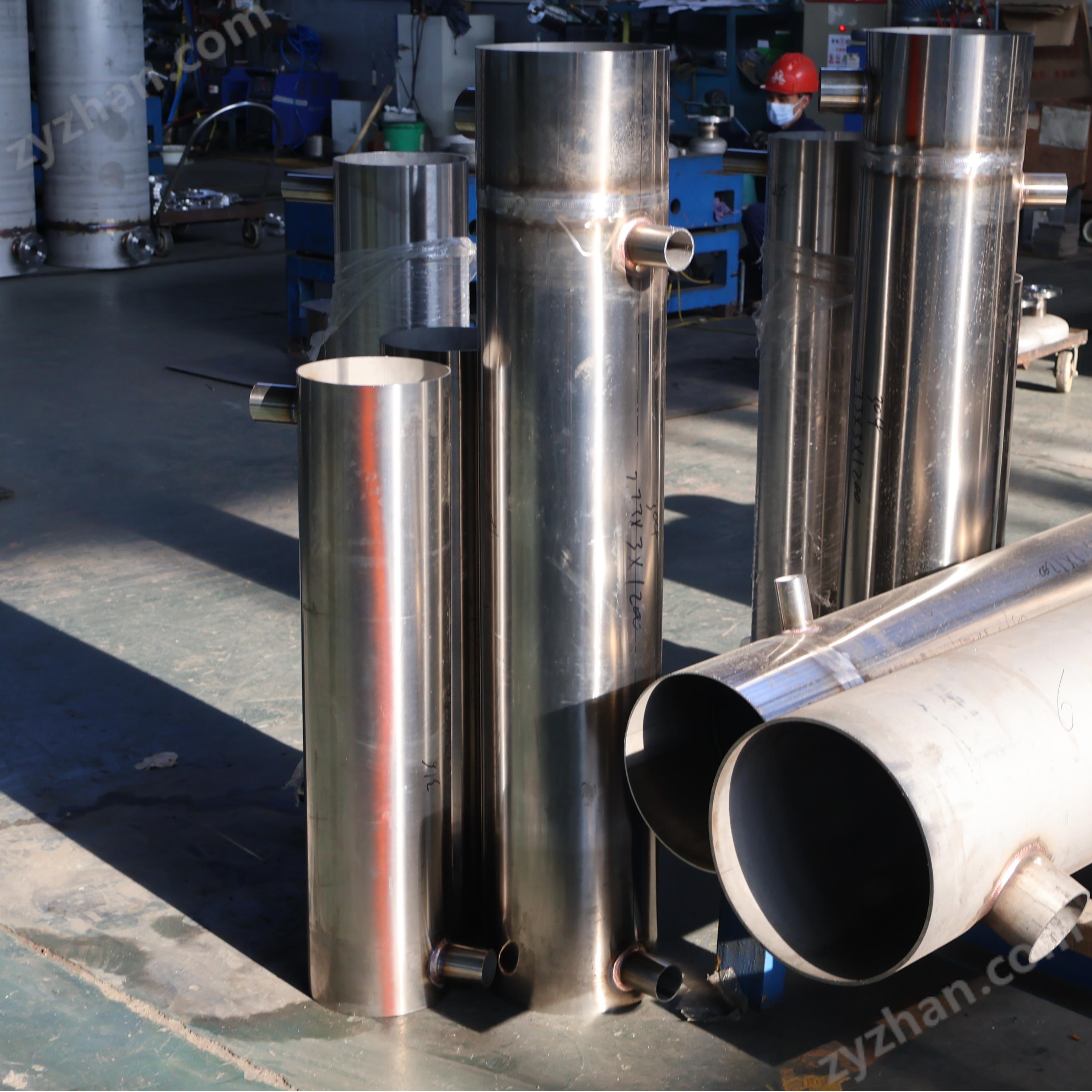

Worry free after-sales service for spiral wound tube heat exchangers
NegotiableUpdate on 01/04
- Model
- Nature of the Manufacturer
- Producers
- Product Category
- Place of Origin
Overview
Worry free after-sales service for shell and tube spiral wound tube heat exchangers. The shell and tube spiral wound tube heat exchanger achieves efficient heat transfer through precision designed spiral wound tube bundles. The core structure consists of a spiral wound tube bundle, a shell, and a tube plate. The tube bundle is made of corrosion-resistant materials such as 316L stainless steel or titanium alloy, and is 3 #176; —20 #176; The spiral angle is reversed and wrapped around the central cylinder, forming a multi-layered three-dimensional spiral channel. This design extends the total length of the heat exchange tube (up to several times that of traditional equipment), causing the fluid to flow in a spiral shape inside the tube, generating strong secondary circulation, breaking the boundary layer, and significantly improving the heat transfer coefficient.
Product Details
Worry free after-sales service for spiral wound tube heat exchangers
Worry free after-sales service for spiral wound tube heat exchangers
1、 Technical principle: Spiral winding enhances turbulent heat transfer
The shell and tube spiral wound tube heat exchanger achieves efficient heat transfer through precisely designed spiral wound tube bundles. The core structure consists of a spiral wound tube bundle, a shell, and a tube plate. The tube bundle is made of corrosion-resistant materials such as 316L stainless steel or titanium alloy, and is wound in reverse on the central cylinder at a spiral angle of 3 ° -20 °, forming a multi-layer three-dimensional spiral channel. This design extends the total length of the heat exchange tube (up to several times that of traditional equipment), causing the fluid to flow in a spiral shape inside the tube, generating strong secondary circulation, breaking the boundary layer, and significantly improving the heat transfer coefficient. For example, when the Reynolds number exceeds 10 ⁴, the boundary layer thickness decreases by 50%, and the heat transfer efficiency increases by 3-7 times compared to traditional equipment.
Key technological breakthroughs:
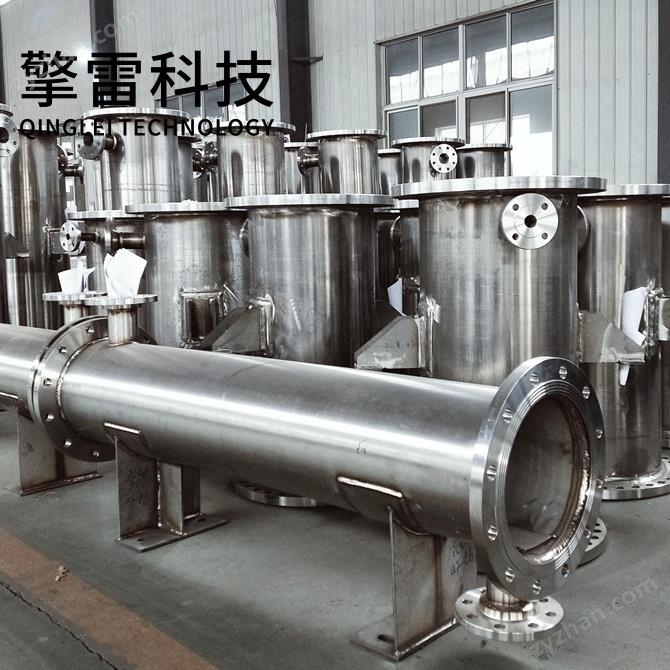
Reverse flow heat transfer design: The cold and hot fluid paths are reversed, increasing the utilization rate of temperature difference by 30%, supporting large temperature difference conditions (Δ T>150 ℃), with a end face heat transfer temperature difference of only 2 ℃, and a heat recovery efficiency of over 95%.
Self compensating thermal stress structure: Free sections are reserved at both ends of the tube bundle, allowing for free expansion and contraction with temperature changes, eliminating the risk of equipment damage caused by thermal stress, and extending the service life to 30-40 years.
Modular and detachable design: supports flange connection standard modules, and the processing capacity of a single device can be expanded from 10 square meters to 1000 square meters, reducing the construction period by 50%; The detachable structure is easy to clean and maintain, suitable for scenarios where the heat exchange medium is relatively clean.
2、 Performance advantage: Four high and two low refactoring industry standards
Compared to traditional tube and tube heat exchangers, spiral wound tube heat exchangers have achieved significant improvements in efficiency, footprint, pollution resistance, and cost
High heat transfer efficiency: The heat transfer coefficient reaches 14000 W/(m ² ·℃), which is 2-4 times that of traditional equipment. In the ethylene cracking unit, the heat transfer efficiency is increased by 40%, and the annual energy-saving cost reaches 2.4 million yuan.
Small volume and weight: The heat transfer area per unit volume reaches 170 m ²/m ³, which is only 1/10 of the volume of traditional equipment and reduces weight by 40% -60%. In LNG liquefaction plants, the heat exchange area of a single equipment is reduced by 40%, and the footprint is only 1/10 of traditional equipment, significantly saving space and infrastructure costs.
Strong anti fouling ability: Spiral flow reduces dirt deposition by 70%, extends cleaning cycle to 12-18 months, and reduces maintenance costs by 40%. The application of a certain chemical wastewater treatment plant shows that the equipment can operate continuously for 2 years without chemical cleaning, and the pressure drop increases by less than 5%.
High pressure and temperature resistance: With a pressure bearing capacity of up to 20MPa and a temperature range of -196 ℃ to 1900 ℃, it is suitable for working conditions. In supercritical CO ₂ power generation conditions, the equipment can operate stably in a 20MPa pressure environment with a lifespan of over 100000 hours.
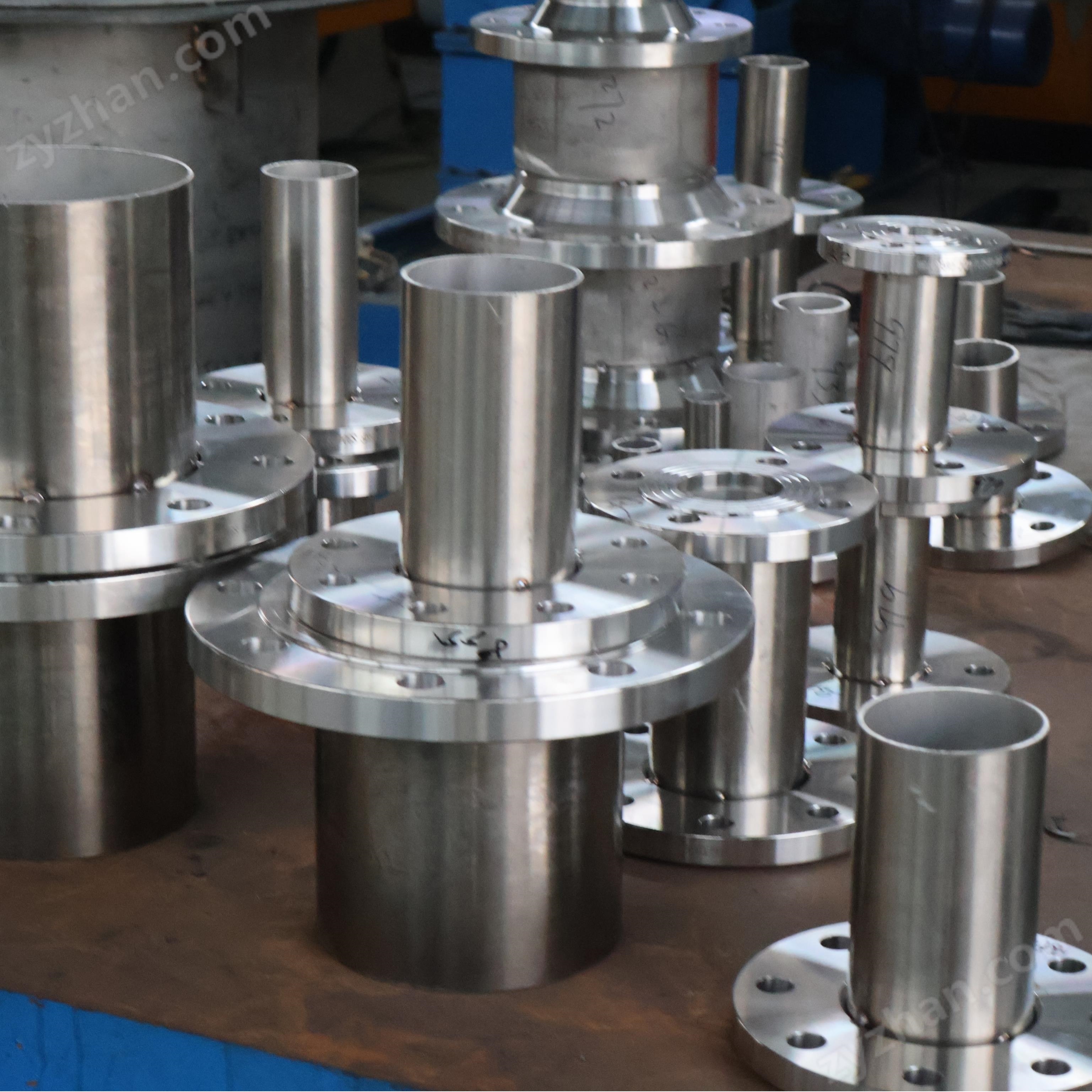
Low investment and operating costs: The initial investment is similar, but the annual operating costs are reduced by 30% -50%. After the renovation of the air conditioning system in a commercial building, the refrigerant condensation temperature decreased by 5 ℃, the system energy efficiency ratio increased by 18%, and the investment cost was recovered in 4 years.
Low maintenance difficulty: The leakage rate of the fully welded structure is less than 0.001%, the accuracy of fault warning is greater than 98%, and the maintenance efficiency is improved by 50%.
3、 Industry application: Industrial core equipment covering multiple fields
Petrochemical industry: Used for reaction heat recovery and waste heat utilization in high-temperature and high-pressure conditions such as catalytic cracking and ethylene plants, the system energy efficiency is improved by 15%. For example, replacing traditional U-tube heat exchangers in hydrocracking units reduces the number of flanges and lowers the risk of leakage.
Electric energy: used for circulating water cooling and waste heat recovery in nuclear and thermal power plants. After adopting the high-pressure heater in a certain thermal power plant, the system's heat consumption decreased by 12% and the heating area increased by 200000 square meters.
Ocean engineering: With its compact structure and efficient heat transfer performance, it has become an ideal heat exchange equipment on offshore platforms. The FPSO ship heat exchange system adopts a spiral wound heat exchanger with anti vibration design, which adapts to complex sea conditions and reduces the footprint by 40%.
Medical and food products: used in processes such as heating, cooling, and concentration in drug production, compliant with GMP and HACCP certifications, ensuring temperature control accuracy. The batch qualification rate of a certain pharmaceutical company has increased to 99.8% after use. In food processing, it is used for processes such as milk disinfection and juice concentration to improve production efficiency and reduce energy consumption.
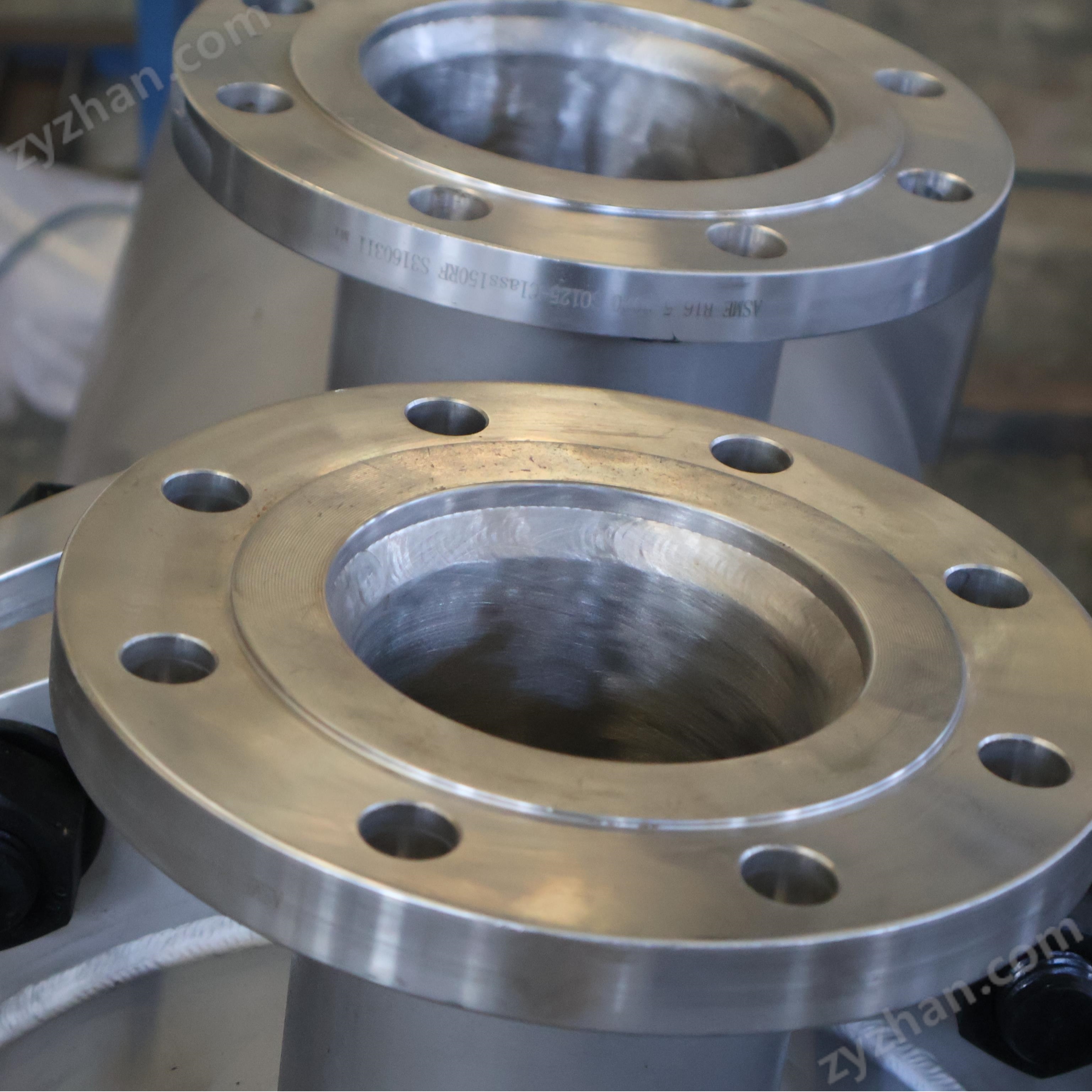
In the field of new energy, it is used in the pre cooling, liquefaction, and subcooling stages of LNG liquefaction to significantly reduce energy consumption; Cooling high-temperature gases in photovoltaic polycrystalline silicon production to ensure a purity of 99.999% for monocrystalline silicon; Provided critical thermal management solutions for hydrogen fuel power systems and successfully passed a 1000 hour hydrogen embrittlement test.
4、 Future Trends: Dual Drivers of Intelligence and Material Innovation
Material innovation: Developing nanocomposites, ceramic materials, silicon carbide composite pipes, etc. to further improve corrosion resistance and high temperature resistance. For example, the graphene/silicon carbide composite coating achieves a thermal conductivity of over 300 W/(m · K) and a 300% increase in thermal shock resistance.
Structural optimization: Adopting three-dimensional spiral channel design and irregular winding technology, optimizing fluid distribution through non-uniform pitch winding, and improving heat transfer efficiency by 10% -15%. 3D printing technology breaks through traditional manufacturing limitations, achieving complex tube bundle design and customized flow channels to increase the specific surface area to 800 ㎡/m ³.
Intelligence and automation: Integrating IoT sensors and AI algorithms to achieve predictive maintenance, with a fault warning accuracy rate of 98%. By using digital twin technology to construct a 3D model of the equipment, full lifecycle management can be achieved, and the design cycle can be shortened by 50%.
Energy conservation and environmental protection: By implementing a heat electricity gas multi supply system, the comprehensive energy utilization rate is expected to exceed 85%, achieving efficient and comprehensive energy utilization.
Similar Product Recommend