-
E-mail
379038867@qq.com
-
Phone
18721334171
-
Address
Building 1, No. 555 Songhui Road, Zhaoxiang Town, Qingpu District, Shanghai
Product Categories
Shanghai Oberson Medical Equipment Co., Ltd

Emily's Chest Puncture Electronic Standardization Patient
NegotiableUpdate on 01/04
- Model
- Nature of the Manufacturer
- Producers
- Product Category
- Place of Origin
Overview
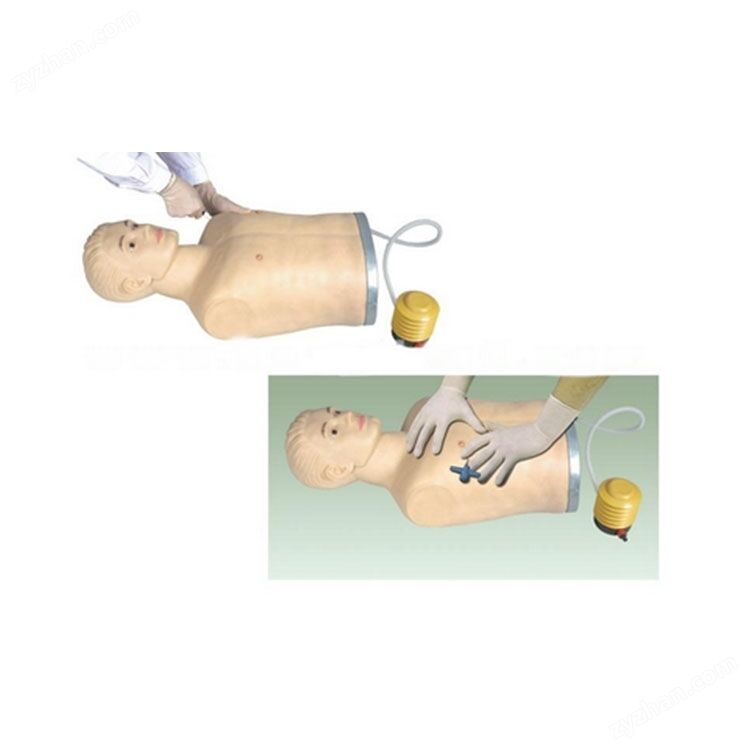
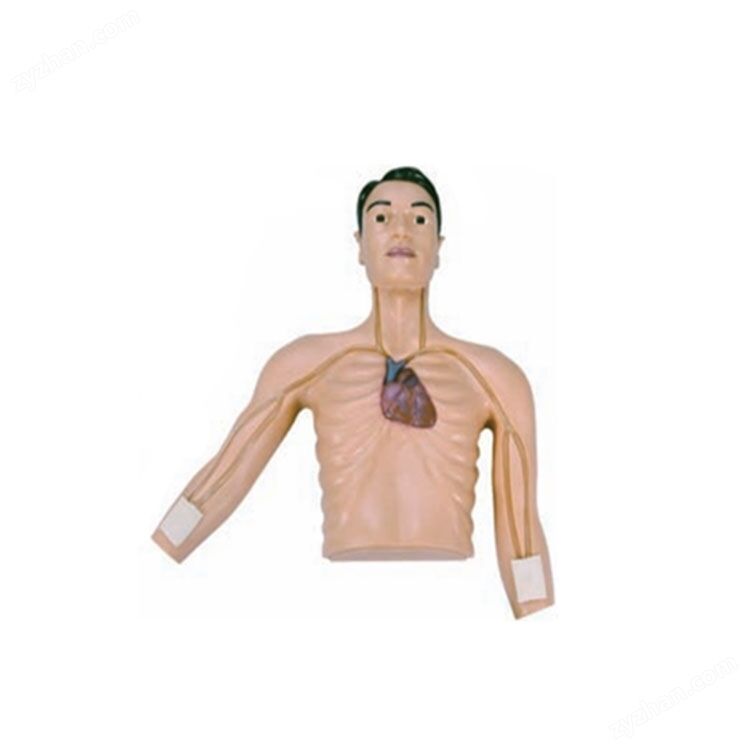
A detailed description of the characteristics/functions of the electronic standardized patient with Amiri thoracic puncture. The highly simulated anatomical structure simulates the back and chest of an adult male, with obvious surface markings and accurate anatomical positions, such as scapulas, ribs, spinal spinous processes, etc., which are easy to touch and locate. Multiple puncture sites can be used for thoracentesis at locations such as the subscapular angle line, midaxillary line, and posterior axillary line, simulating real clinical scenarios. $r $n electronic monitoring and feedback: The puncture operation has electronic monitoring, and there is corresponding feedback for correct operation. Incorrect operation (such as improper puncture angle) will be prompted, enhancing the learning effect.
Product Details
Emily's Chest Puncture Electronic Standardization Patient
Detailed description of features/functions
The high fidelity anatomical structure simulates the back and chest of adult males, with obvious surface landmarks and accurate anatomical positions, such as scapula, ribs, spinal spinous processes, etc., which are easy to touch and locate.
Multiple puncture sites can be used for chest puncture operations at positions such as the scapular angle line, axillary midline, and posterior axillary line, simulating real clinical scenarios.
Electronic monitoring and feedback: Puncture operation has electronic monitoring, and there is corresponding feedback when operated correctly. Incorrect operation (such as improper puncture angle) will be prompted, enhancing learning effectiveness.
Emily's Chest Puncture Electronic Standardization Patient
Detailed description of features/functions
The high fidelity anatomical structure simulates the back and chest of adult males, with obvious surface landmarks and accurate anatomical positions, such as scapula, ribs, spinal spinous processes, etc., which are easy to touch and locate.
Multiple puncture sites can be used for chest puncture operations at positions such as the scapular angle line, axillary midline, and posterior axillary line, simulating real clinical scenarios.
Electronic monitoring and feedback: Puncture operation has electronic monitoring, and there is corresponding feedback when operated correctly. Incorrect operation (such as improper puncture angle) will be prompted, enhancing learning effectiveness.
Durable and maintainable, made of highly elastic materials, puncture resistant, replaceable skin and puncture cavity components, convenient for maintenance and extended service life.
The application of teaching and assessment is suitable for teaching demonstrations in medical colleges and nursing schools, as well as skill training and assessment for clinical medical staff, ensuring the standardization and safety of operations.
The IMY4119 thoracic puncture electronic standardized patient is a simulation device used for medical skills training, aimed at providing a realistic environment for thoracic puncture practice.
The core functions of this model include: made of polymer materials, with a realistic touch and appearance, clear and touchable anatomical landmarks on the body surface (such as clavicles, armpits, ribs, and intercostal spaces), and easy puncture positioning; Support switching between supine and semi recumbent positions, simulating different patient positions; Equipped with an electronic monitoring system, if the puncture is vertically inserted along the upper edge of the lower rib, there will be a sense of failure and simulated body fluid can be extracted. Incorrect operation (such as incorrect puncture site) will trigger a voice prompt warning; At the same time, the skin and puncture cavity can be replaced, supporting repeated practice.
In terms of operation, the model automatically injects liquid or gas through electric means to simulate pleural effusion or pneumothorax. The operator can perform routine puncture exercises, such as operating in the 7-8 intercostal spaces below the scapular angle. When correctly punctured, the operator can feel a sense of disappointment and draw fluid, while incorrect operations will receive real-time feedback.
In terms of applicable scenarios, this type of equipment is widely used for basic skills training in medical schools, training centers, and medical institutions, helping students master the positioning, operation standards, and emergency response of thoracentesis surgery.
Similar Product Recommend