-
E-mail
379038867@qq.com
-
Phone
18721334171
-
Address
Building 1, No. 555 Songhui Road, Zhaoxiang Town, Qingpu District, Shanghai
Product Categories
Shanghai Oberson Medical Equipment Co., Ltd
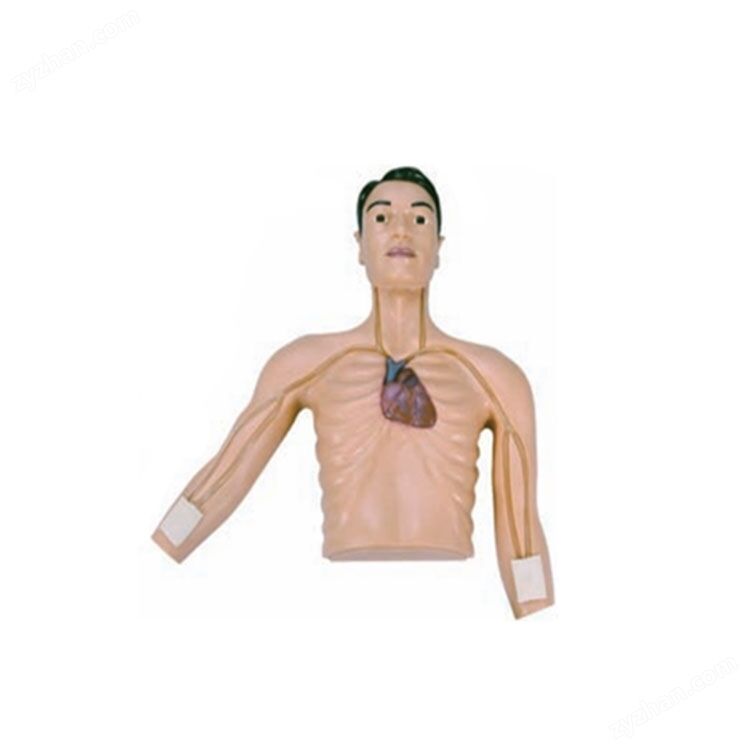
Training Model for Amili Peripheral Venous Puncture Intubation Procedure
NegotiableUpdate on 01/04
- Model
- Nature of the Manufacturer
- Producers
- Product Category
- Place of Origin
Overview
The core features of the Emilia peripheral venous puncture intubation training model are high simulation anatomical structure and realistic upper limb anatomy. The model accurately simulates the anatomical structure of the adult upper limb, including skin, muscles, blood vessels (such as the cephalic vein, basilic vein, median cubital vein, etc.), as well as bony landmarks (such as the cubital fossa, radial styloid process, etc.), providing a realistic tactile and visual experience. $r $n replaceable skin and blood vessels: The skin and blood vessels are replaceable, making it easy to practice repeatedly and reducing usage costs. $r $n Operation Training Function $r $n Multiple Puncture Training: Supports puncture and intubation training for the cephalic vein, basilic vein, median cubital vein, and other areas, simulating real clinical operations
Product Details
Training Model for Amili Peripheral Venous Puncture Intubation Procedure
Core Features
Highly realistic anatomical structures
Realistic upper limb anatomy: The model accurately simulates the anatomical structure of the adult upper limb, including skin, muscles, blood vessels (such as the cephalic vein, basilic vein, median cubital vein, etc.), as well as bony landmarks (such as the elbow fossa, radial styloid process, etc.), providing a realistic tactile and visual experience.
Removable skin and blood vessels: The skin and blood vessels are replaceable, making it easy to practice repeatedly and reducing usage costs.
Operation training function
Multiple puncture training: supports puncture and intubation training for the cephalic vein, basilic vein, median cubital vein, and other areas, simulating real clinical operations
Training Model for Amili Peripheral Venous Puncture Intubation Procedure
Core Features
Highly realistic anatomical structures Realistic upper limb anatomy The model accurately simulates the anatomical structure of the adult upper limb, including skin, muscles, blood vessels (such as the cephalic vein, basilic vein, median cubital vein, etc.), as well as bony landmarks (such as the elbow fossa, radial styloid process, etc.), providing a realistic tactile and visual experience. Replaceable skin and blood vessels Skin and blood vessels can be replaced, making it easy to practice repeatedly and reducing usage costs. Operation training function Multiple puncture training Support puncture and catheterization training for the cephalic vein, basilic vein, median cubital vein, and other areas, simulating the real clinical operation process. Puncture failure sensation There is a noticeable sense of disappointment when inserting the needle, simulating a real puncture experience to help students master the depth and angle of the puncture. Simulated venous blood extraction After successful puncture, simulated venous blood can be extracted to enhance the realism of the operation. Application of Teaching and Assessment Teaching demonstration Suitable for teaching demonstrations in medical colleges and institutions, helping students understand the key points of operation through demonstrations and explanations. skill assessment As a clinical skill assessment tool, evaluate the level of peripheral venous puncture catheterization operation of medical staff to ensure their ability to operate independently. Durability and maintainability modular design The system adopts a modular design, which facilitates maintenance and component replacement, and extends its service life. durable materials Made of imported materials, the structure is durable and can be used for a long time.
Similar Product Recommend