-
E-mail
sales-sci.cn@horiba.com
-
Phone
13681872955
-
Address
Unit D, 1st Floor, Building A, Lianqiang International Plaza, 1068 Tianshan West Road, Shanghai
Product Categories
HORIBA (China)

3D fluorescence analyzer
NegotiableUpdate on 01/04
- Model
- Nature of the Manufacturer
- Producers
- Product Category
- Place of Origin
Overview
The principle of a three-dimensional fluorescence analyzer is based on fluorescence phenomena When a sample is excited by light of a specific wavelength, its internal fluorescent substances absorb light energy and transition to a high-energy state, and then release fluorescence when returning to a low-energy state
Product Details
1、 Basic principles
The principle of a three-dimensional fluorescence analyzer is based on fluorescence phenomena. When a sample is excited by light of a specific wavelength, its internal fluorescent substances absorb light energy and transition to a high-energy state, and then release fluorescence when returning to a low-energy state. The intensity, wavelength, and lifetime of this fluorescent signal are closely related to the chemical composition, molecular structure, and physical state of the sample. The 3D fluorescence analyzer simultaneously measures the excitation spectrum, emission spectrum, and fluorescence intensity of the sample to form a 3D spectrum and fingerprint, providing richer and more accurate sample information.
2、 Instrument composition and functional characteristics
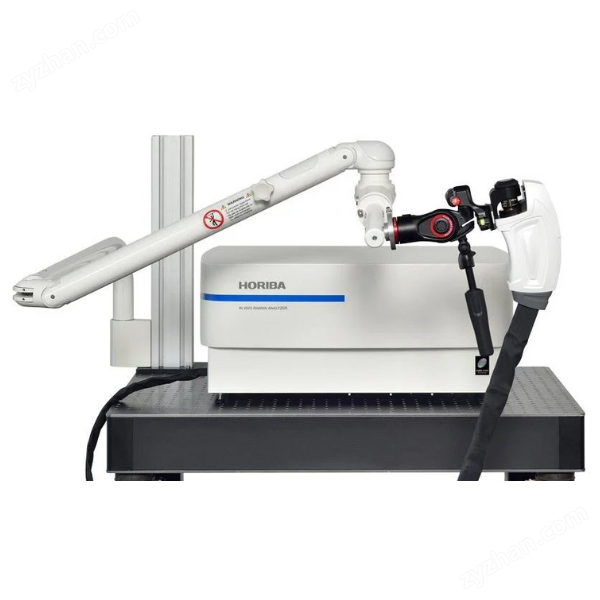
A three-dimensional fluorescence analyzer typically consists of a light source system, an optical system, a detection system, a data processing system, and a sample chamber.
1. Light source system: Xenon lamps or LEDs are usually used as excitation light sources, which have the characteristics of high energy efficiency, stability, and tunable excitation wavelength. Xenon lamp light source can provide high-intensity excitation light, ensuring the accuracy and stability of fluorescence measurement; LED light sources have the advantages of long lifespan and low energy consumption, reducing the operating costs and maintenance requirements of equipment.
2. Optical system: including optical components such as gratings, filters, and mirrors, used to select excitation wavelengths and fluorescence emission wavelengths, and optimize optical path design to improve the efficiency and accuracy of fluorescence signal acquisition.
3. Detection system: Typically, photomultiplier tubes (PMT) or photodiodes are used as detectors, which have the characteristics of high sensitivity and fast response. They can detect and convert weak fluorescence signals, and reduce noise interference through optimized circuit design and signal processing algorithms.
4. Data processing system: It has a user-friendly interface and real-time data processing capabilities, supporting functions such as data collection, analysis, interpretation, report generation, and printing. Users can conduct experimental design and data analysis through an intuitive user interface, quickly obtaining information about sample structure and chemical composition.
5. Sample Room: Used to store the samples to be tested, and can be adjusted for temperature control, stirring, and lighting conditions as needed.

3、 Application Fields
Three dimensional fluorescence analyzer has wide application value in multiple fields:
1. Biomedical research: can be used to study the interactions of biomolecules, protein folding, cellular activity, and disease diagnosis. By measuring the fluorescence characteristics of biological samples, the structure and functional relationships of biomolecules can be revealed, providing important information for biomedical research.
2. Materials Science and Chemistry: Can be used to analyze the properties and structures of substances such as dyes, polymers, and nanomaterials. The fluorescence characteristics of these substances are closely related to their chemical composition and molecular structure, so a three-dimensional fluorescence analyzer can be used for the characterization and identification of these substances.
3. Environmental monitoring and food testing: can be used to detect pollutants, nutrients, and harmful substances in water, soil, and food. By measuring the fluorescence characteristics of these samples, their quality and safety can be evaluated, providing strong support for environmental protection and food safety.
4、 Technical advantages
Compared with traditional two-dimensional fluorescence spectrometers, three-dimensional fluorescence analyzers have the following technical advantages:
1. High sensitivity and selectivity: capable of measuring multiple fluorescence signals simultaneously, improving detection accuracy and efficiency; Capable of fluorescence measurement over a wider wavelength range, providing more comprehensive information; And it can perform correlation analysis on fluorescence signals at different wavelengths, further revealing the interaction between chemical components in the sample.
2. Non destructive measurement: It can achieve non-destructive measurement without damaging the sample, and is suitable for analyzing precious or difficult to prepare samples.
3. Portability and automation: With the continuous development of technology, it is gradually moving towards miniaturization, portability, and automation, which facilitates on-site monitoring and rapid analysis.