-
E-mail
sales-sci.cn@horiba.com
-
Phone
13681872955
-
Address
Unit D, 1st Floor, Building A, Lianqiang International Plaza, 1068 Tianshan West Road, Shanghai
Product Categories
HORIBA (China)

High resolution micro Raman spectrometer
NegotiableUpdate on 01/04
- Model
- Nature of the Manufacturer
- Producers
- Product Category
- Place of Origin
Overview
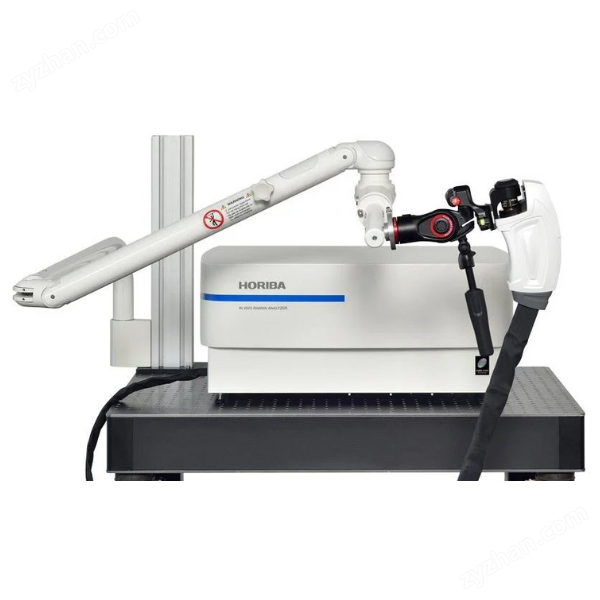
The high-resolution micro Raman spectrometer is a customized micro Raman spectroscopy system, which particularly meets the needs of analyzing and testing platforms with a wide variety of sample types, varying testing conditions, and fast and accurate testing speed requirements
Product Details
High resolution micro Raman spectrometer is a high-precision and high-sensitivity analytical instrument widely used in materials science, biomedical, environmental monitoring and other fields. However, due to its complex working principle, improper operation, or equipment aging, various malfunctions may occur. This article will introduce some common faults and solutions of high-resolution micro Raman spectrometers.
1. Laser light source malfunction: The laser light source is its core component, and if it malfunctions, it may lead to inaccurate measurement results. Common laser light source malfunctions include decreased laser intensity and wavelength shift. The solution is to regularly inspect and replace the laser crystal to ensure the stability of the laser.
2. Photoelectric conversion system malfunction: The photoelectric conversion system is a critical component that converts reflected light into electrical signals. If the photoelectric conversion system malfunctions, it may result in signal loss or increased noise. Common faults in photoelectric conversion systems include aging and contamination of the photoelectric converter. The solution is to regularly clean and calibrate the photoelectric converter to ensure the accuracy of the signal.
3. Computer system failure: The computer system is its control center, and if it fails, it may result in data loss or processing delays. Common computer system failures include hard disk damage, software crashes, and so on. The solution is to regularly backup data, update and upgrade software and hardware to ensure the efficiency of data processing.
4. Optical component failure: Optical components include microscopes, filters, optical fibers, etc., and the failure of these components may affect the accuracy of measurement results. Common optical component failures include contamination of microscope lenses and damage to filters. The solution is to regularly clean and replace optical components to ensure measurement accuracy.
5. Environmental factor failure: The working environment has a significant impact on its performance, and if environmental factors fail, it may lead to unstable operation of the equipment. Common environmental factors include high or low temperature, high or low humidity, etc. The solution is to control the working environment temperature and humidity of the equipment to ensure its normal operation.
6. Operational error: Incorrect operation by the operator may also lead to malfunctions. For example, incorrect parameter settings, incorrect operation steps, etc. The solution is to strengthen the training and learning of operators, improve their operational ability and technical level.
7. In practical operation, we should regularly inspect and maintain the equipment, promptly detect and solve faults, to ensure the normal operation of the equipment and the accuracy of measurement results. At the same time, we should also strengthen the training and learning of operators, improve their operational ability and technical level, and avoid equipment failures caused by operational errors.

In maintenance work, we also need to pay attention to the following points:
1. Safe operation: It generates high-intensity laser and high-voltage electrical signals during operation, so safety regulations must be strictly followed during use to avoid direct or indirect laser irradiation on the eyes and other sensitive areas. At the same time, the operating environment of the equipment should be kept dry and clean to prevent dust and moisture from entering the interior of the equipment.
2. Standardized operation: Before use, carefully read the operation manual of the equipment to understand its working principle and operating steps. During the operation, the prescribed procedures should be followed to avoid arbitrarily changing the parameters and settings of the equipment.
3. Regular inspection: All its components need to be inspected regularly. For example, laser light sources require regular replacement of laser crystals to ensure the stability of the laser; The photoelectric conversion system needs to be regularly cleaned and calibrated to ensure the accuracy of the signal; Computer systems require regular cleaning of hard disk space to improve data processing speed.
4. Maintenance: All components of the high-resolution Raman spectrometer require regular maintenance. For example, laser light sources require regular cleaning and maintenance to prevent attenuation of laser intensity; The photoelectric conversion system requires regular replacement of the photoelectric converter to ensure signal stability; Computer systems require regular cleaning of hard disk space to improve data processing speed.